
- BGG rank
- BGG #20,852
- BGG rating
- 8.0
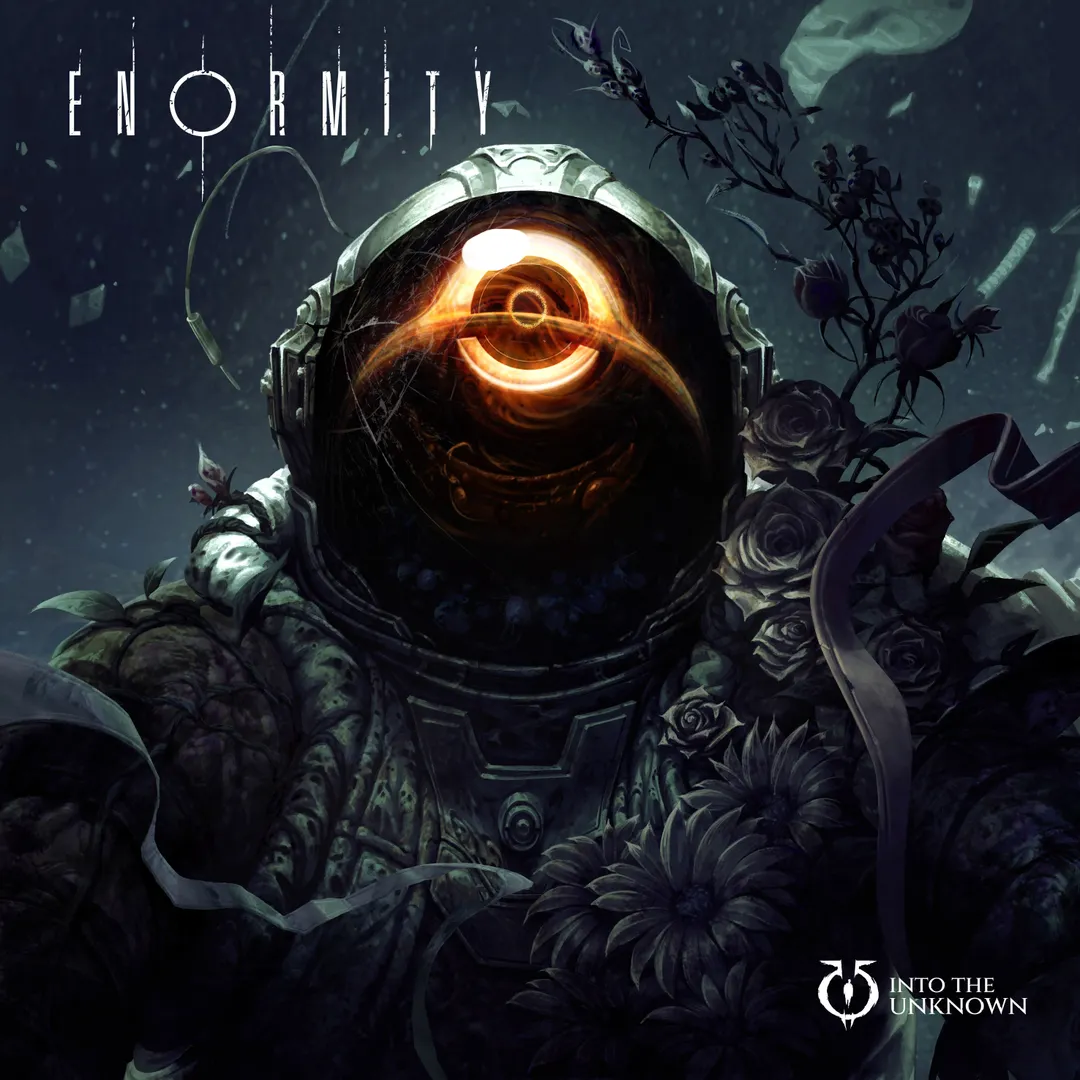
Enormity
- 1–4 players
- 60–90 min
- Complexity 4.0/5
- 2026
Rules assistance for Sewerville Shootout
Plain-language explanations of turns, card effects and disputed situations, with official source references and saved question history.
What would you like to know?
Answers come from the official rulebook, with the page to check.
Sewerville Shootout is an expansion for Laserburn: Sci-Fi Combat Rules released in 1981 for 2 players. It was designed by Dave Kelly and its main mechanics are Dice Rolling, Variable Set-up, and Square Grid.
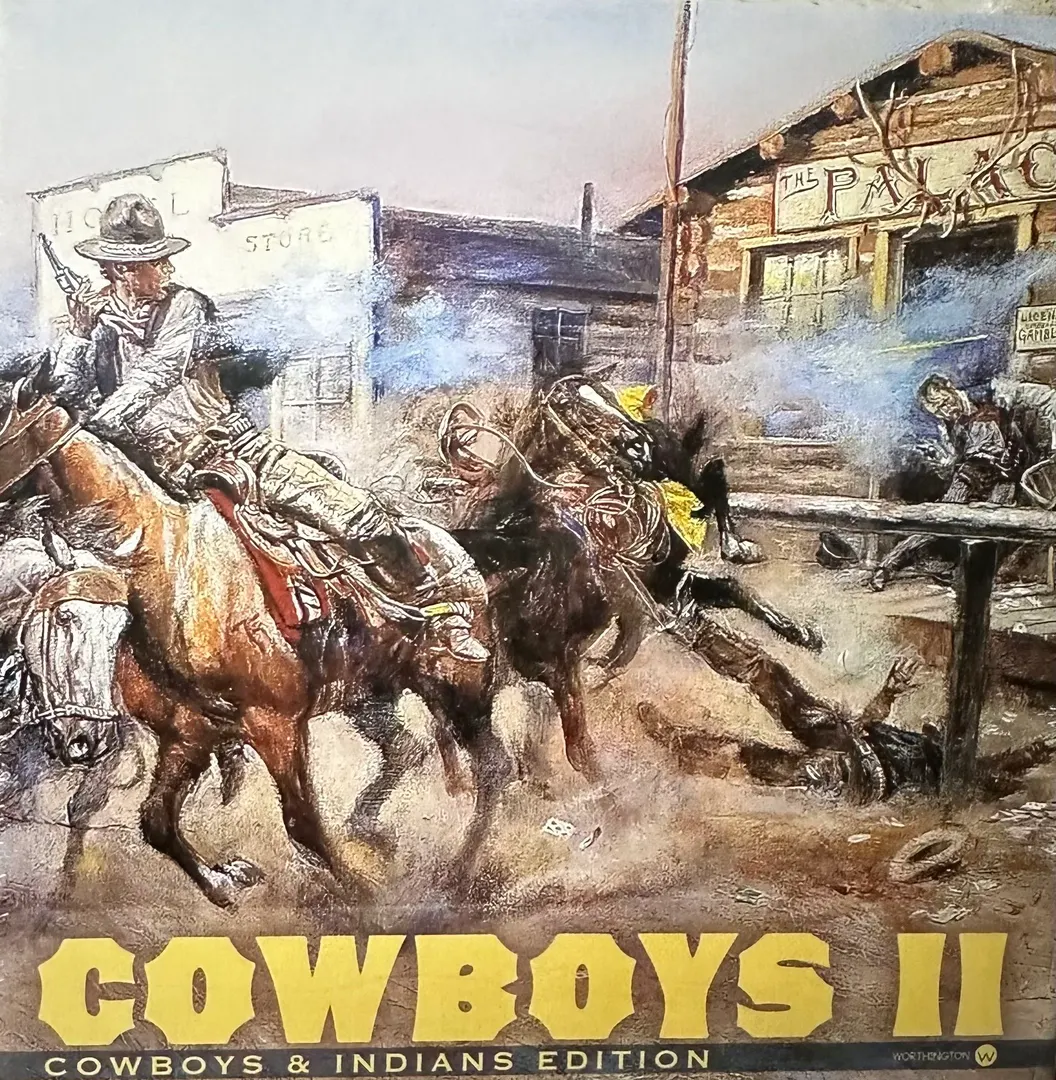





A Laserburn scenario featuring 3 map cards, an 8 page umpire folio and a 4 page player folio. Or to boldly go where no man has gone before. This scenario is set in an old complex of sewers, code-named "Sewerville". The ends of the main access tunnels collapsed ages ago, sealing this area off. No attempt was made to rescue the workers and robots that were trapped, and it was not long before they were forgotten. Recently though, it was discovered that the "Android Liberation Front" has its headquartesr down there. The Imperial inquisition has succeeded in getting one of their agents accepted by the ALFists, but the only information he has been able to sneak out is that they are camped in the lower level of the system, and that a large scale attack will soon be launched by them. Rather than risk their agent being discovered by the Frontists by bringing in Inquisition agents from all over the city, they have decide to risk the lives of an expendable group of mercenaries. Of course, the question of payment rears its ugly head, and rather than chop it off (the usual Inquisition tactic), the mecenaries will be paid. - from the players manual
Sewerville Shootout supports 2 players according to the catalogue. This is the publisher’s listed player count, so the game is designed for exactly that number of participants. Variants for other group sizes, if any, are described in the rulebook of your edition, so check it before setting up a different configuration.
Sewerville Shootout has a complexity rating of 2.0 out of 5 from BoardGameGeek players, which makes it a medium-light game. The rating reflects how much rules knowledge, planning and decision-making a typical game demands. Expect a longer first teach for heavier games, and use a preparation guide before game night.
Sewerville Shootout belongs to these categories: Wargame, Miniatures, and Science Fiction. Its main mechanics are Dice Rolling, Variable Set-up, and Square Grid. Categories describe the theme and setting of a game, while mechanics describe what players actually do on their turns. Each mechanic links to a catalogue hub with similar games, which helps when you want something comparable.
The credited designers of Sewerville Shootout are: Dave Kelly. These credits come from the published game data and name the people responsible for the game’s design, not its illustrators or publishers. Designer pages on MeepleRules collect other titles by the same designers, which helps when you enjoy a game and want to find similar ones.
The catalogue lists Sewerville Shootout as an expansion for Laserburn: Sci-Fi Combat Rules. Expansions add new content, rules or scenarios to the base game and usually cannot be played on their own, so you need Laserburn: Sci-Fi Combat Rules to use it. Check that your edition of Laserburn: Sci-Fi Combat Rules is compatible, as some expansions were revised between editions.