
- BGG rank
- BGG #642
- BGG rating
- 8.2
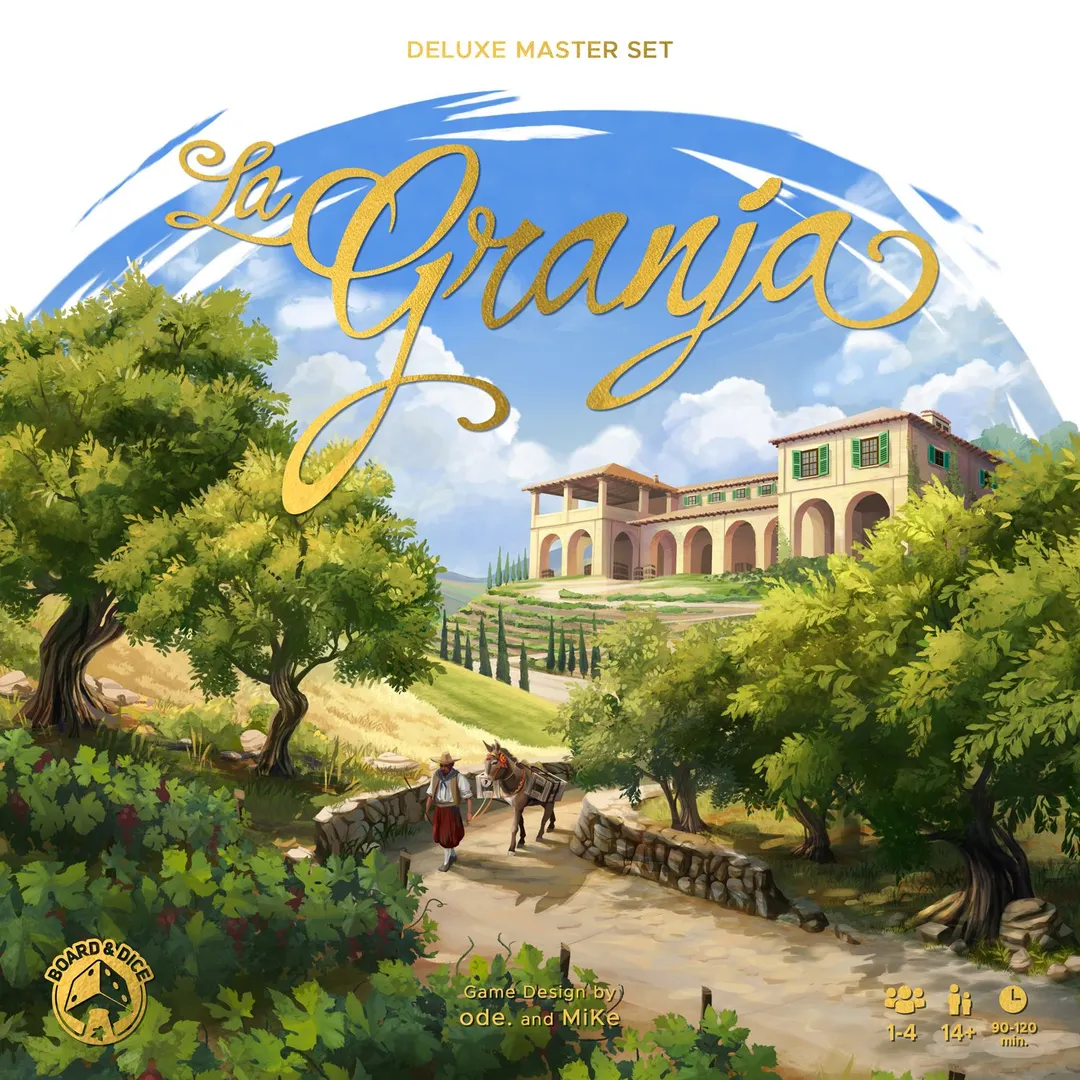
La Granja: Deluxe Master Set
- 1–4 players
- 90–120 min
- Complexity 3.5/5
- 2023
Rules assistance for Simurgh: Call of the Dragonlord
Plain-language explanations of turns, card effects and disputed situations, with official source references and saved question history.
What would you like to know?
Answers come from the official rulebook, with the page to check.
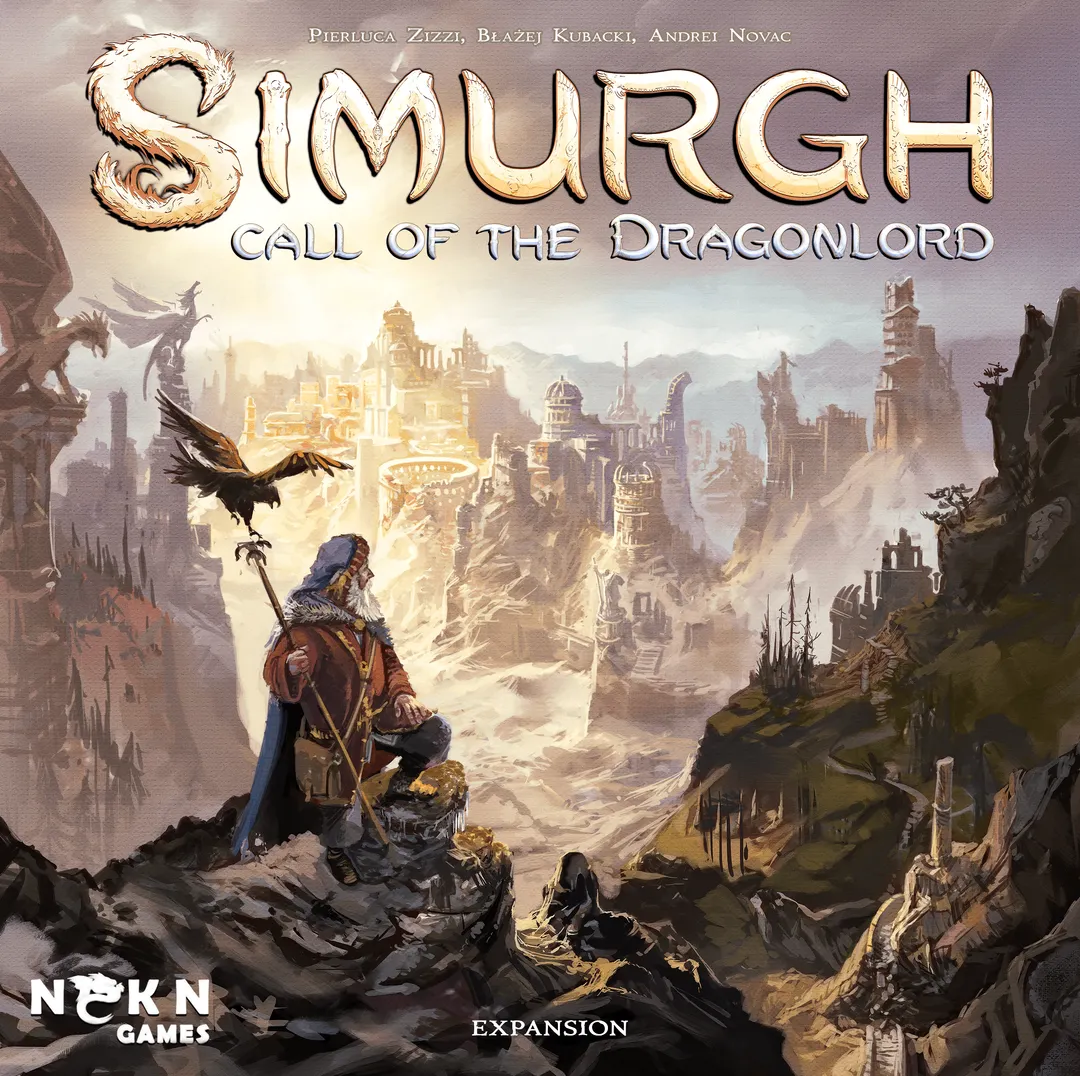
Simurgh: Call of the Dragonlord is an expansion for Simurgh released in 2016 for 2–5 players and ages 12 and up. It was designed by Andrei Novac, Błażej Kubacki, and Pierluca Zizzi and its main mechanics are Variable Player Powers, Tile Placement, and Open Drafting.
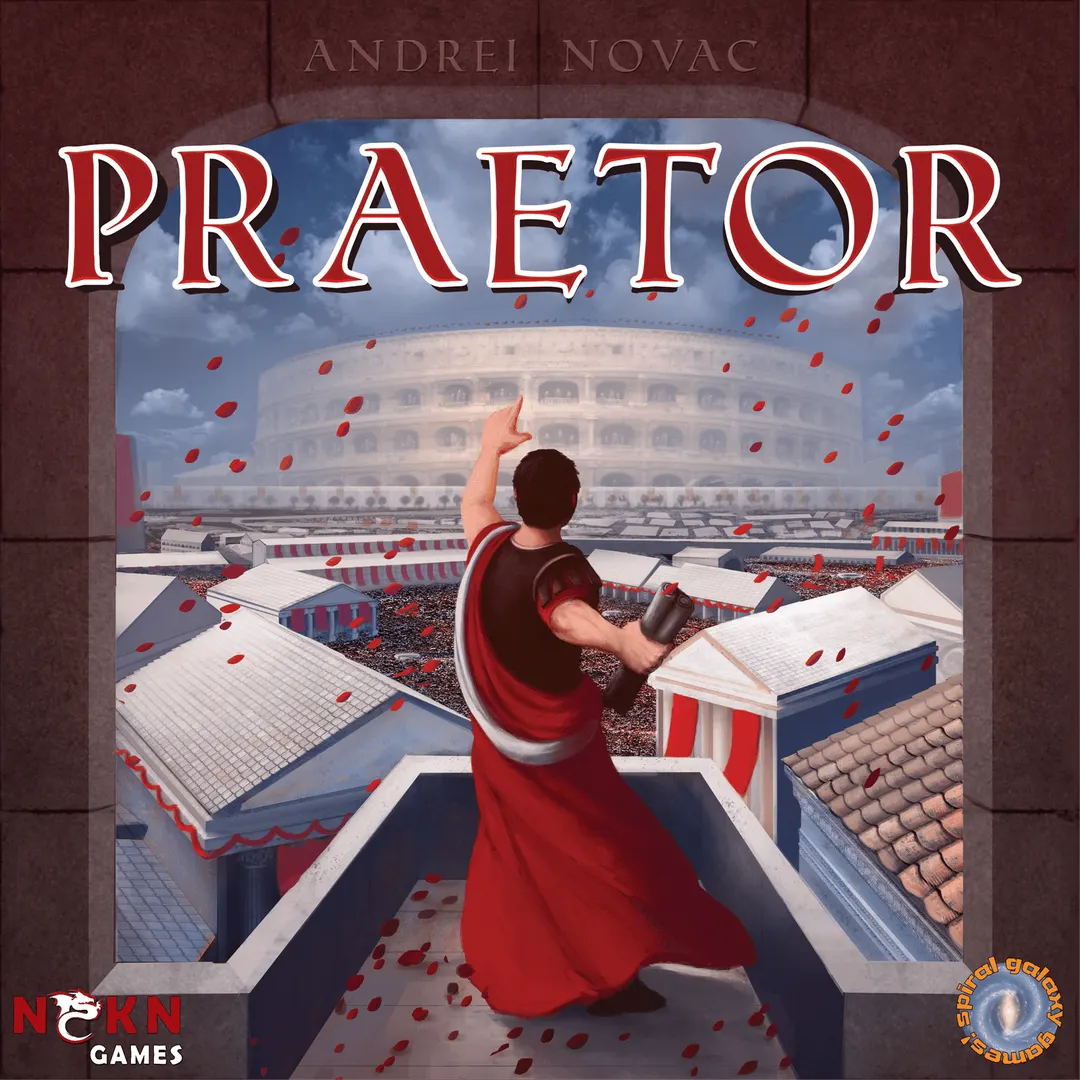




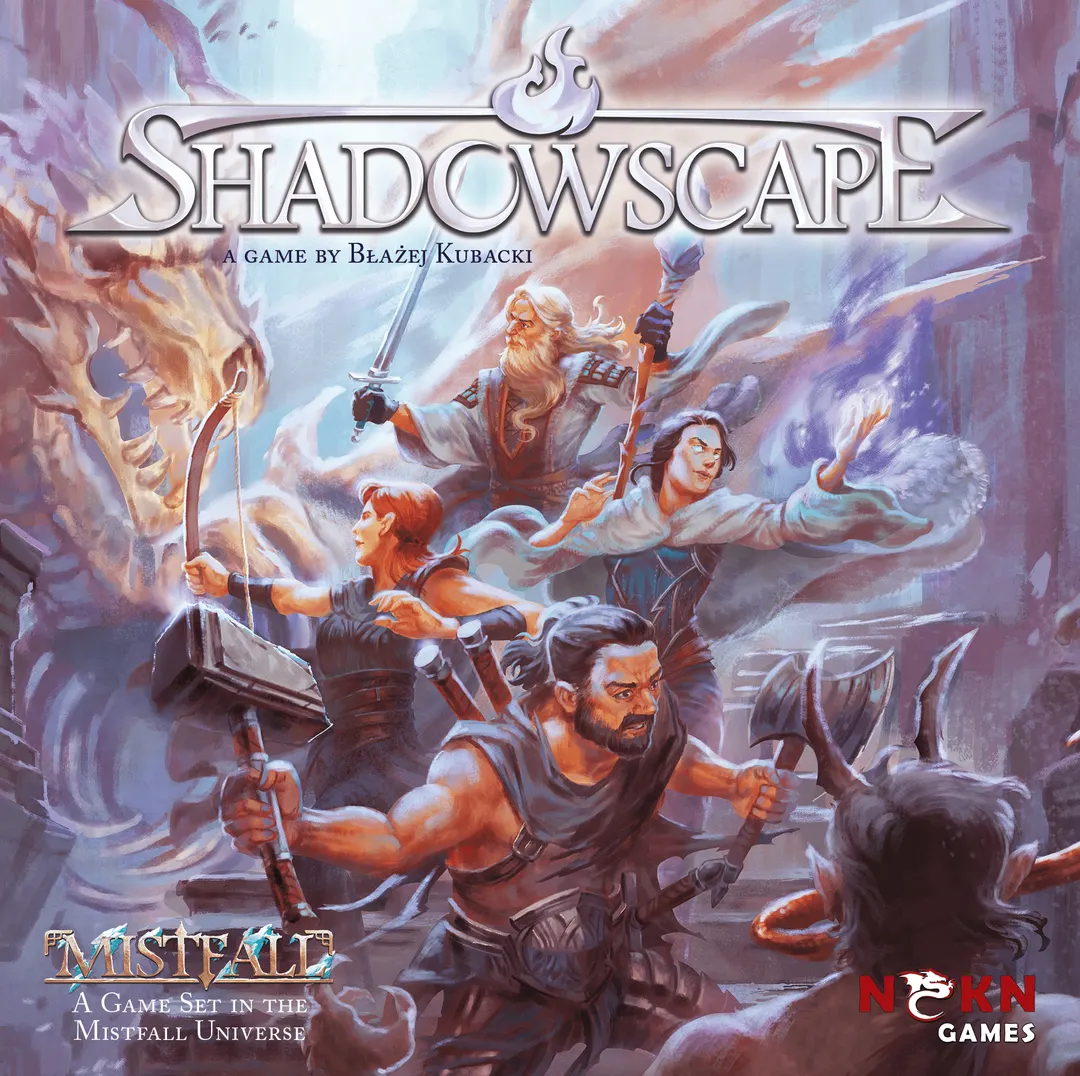


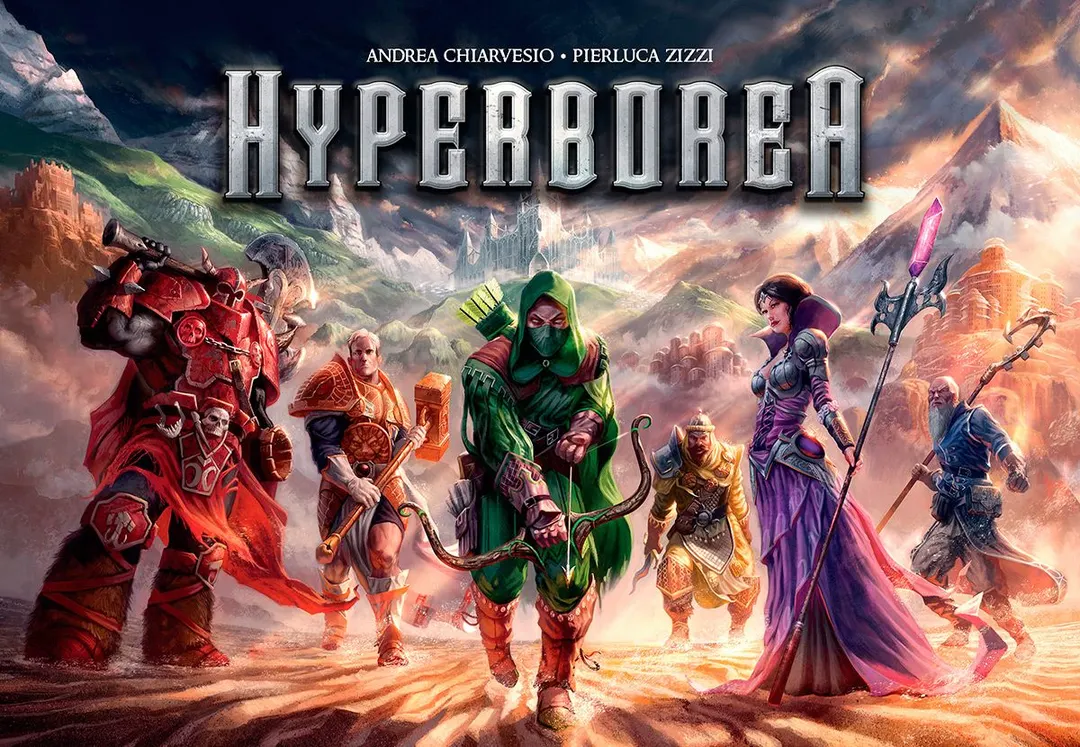
Following a seemingly insignificant tremor, one of the inner walls of the library collapsed, revealing a hidden chamber filled with ancient scrolls of wisdom and power. Among them the scholars found a map showing the way to the First City – a forgotten metropolis reputed to had been built atop the Tomb of Muratan the Dragonlord himself, and now a new target for the Noble Houses locked in a power struggle. Whose Wizard will show the most skill navigating the Forgotten Metropolis? Who will uncover Muratan’s Legacy? Who will be the first to answer the Call of the Dragonlord? Call of the Dragonlord is a premium modular expansion for Simurgh, a dynamic tile-laying, worker-placement game that debuted during Essen Spiel 2015. Introducing a second board depicting the Forgotten Metropolis, Call of the Dragonlord also adds a new type of Vassal – the Wizard – as well as a set of new Action Tiles. As an addition to each player’s workforce, the Wizard can be used separately, or in conjunction with the new board. With the Forgotten Metropolis in play, players will move their Wizards on three different tracks, each providing Power Points and resources. But this movement comes with a cost, and only managing their Spellbook smartly will allow a player to reap the benefits of their Wizard being first to enter the Dragonlord’s Tomb. Apart from expanding the pool of Resource, Transformation, Exploration, Research and Objective Tiles, Simurgh: Call of the Dragonlord also introduces Leadership Tiles – a new type of Action Tiles that may be used with the new board, or simply added to the base game without using any other expansion elements. With Action Spaces allowing for movement of multiple Vassals in one turn, Leadership Tiles add unexpected mobility to players able to make smart use of the unique abilities these tiles provide.
Simurgh: Call of the Dragonlord supports 2–5 players according to the catalogue. This range comes from the publisher’s listed player count, so the game can be set up for any group size within it. Some setups, rules and scoring details may still vary by player count, so check your edition’s rulebook for the exact configuration.
The catalogue lists Simurgh: Call of the Dragonlord for ages 12 and up. This is the publisher’s recommendation and reflects reading demands, rule complexity and small components rather than theme alone. Younger players can often join with help from an adult, so check the age guidance on your edition and consider your group’s experience with board games.
Simurgh: Call of the Dragonlord has a complexity rating of 3.6 out of 5 from BoardGameGeek players, which makes it a medium-weight game. The rating reflects how much rules knowledge, planning and decision-making a typical game demands. Expect a longer first teach for heavier games, and use a preparation guide before game night.
Simurgh: Call of the Dragonlord belongs to these categories: Fantasy, Racing, and Farming. Its main mechanics are Variable Player Powers, Tile Placement, and Open Drafting. Categories describe the theme and setting of a game, while mechanics describe what players actually do on their turns. Each mechanic links to a catalogue hub with similar games, which helps when you want something comparable.
The credited designers of Simurgh: Call of the Dragonlord are: Andrei Novac, Błażej Kubacki, and Pierluca Zizzi. These credits come from the published game data and name the people responsible for the game’s design, not its illustrators or publishers. Designer pages on MeepleRules collect other titles by the same designers, which helps when you enjoy a game and want to find similar ones.
The catalogue lists Simurgh: Call of the Dragonlord as an expansion for Simurgh. Expansions add new content, rules or scenarios to the base game and usually cannot be played on their own, so you need Simurgh to use it. Check that your edition of Simurgh is compatible, as some expansions were revised between editions.