
- BGG rank
- BGG #5,529
- BGG rating
- 8.2
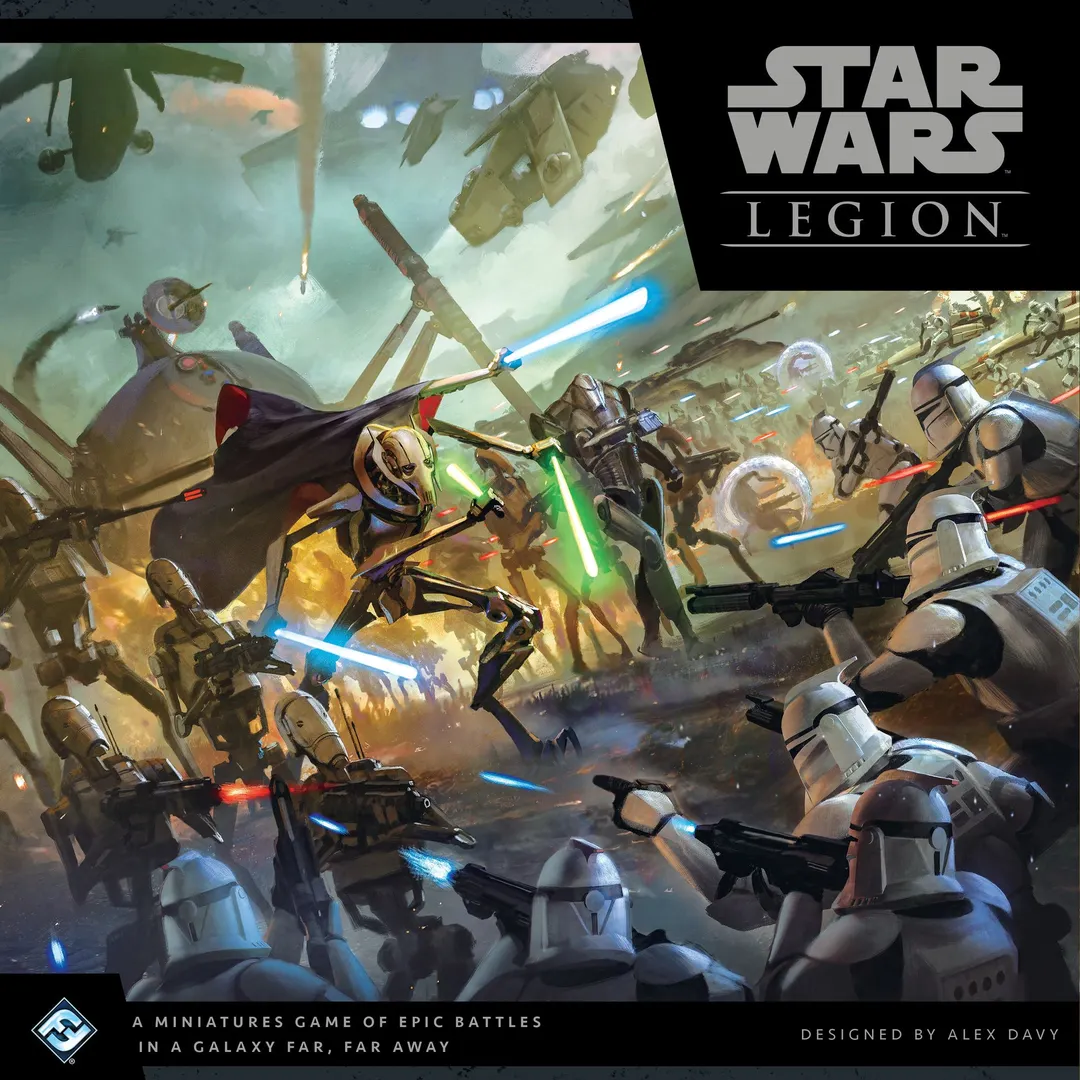
Star Wars: Legion – Clone Wars Core Set
- 2 players
- 60–120 min
- Complexity 3.0/5
- 2019
Rules assistance for Star Wars: Legion – Imperial Royal Guards Unit Expansion
Plain-language explanations of turns, card effects and disputed situations, with official source references and saved question history.
What would you like to know?
Answers come from the official rulebook, with the page to check.
Star Wars: Legion – Imperial Royal Guards Unit Expansion is an expansion for Star Wars: Legion released in 2018 for 2 players, 60–120 minutes per game, and ages 14 and up. It was designed by Luke Eddy and its main mechanics are Variable Player Powers, Dice Rolling, and Action Points.





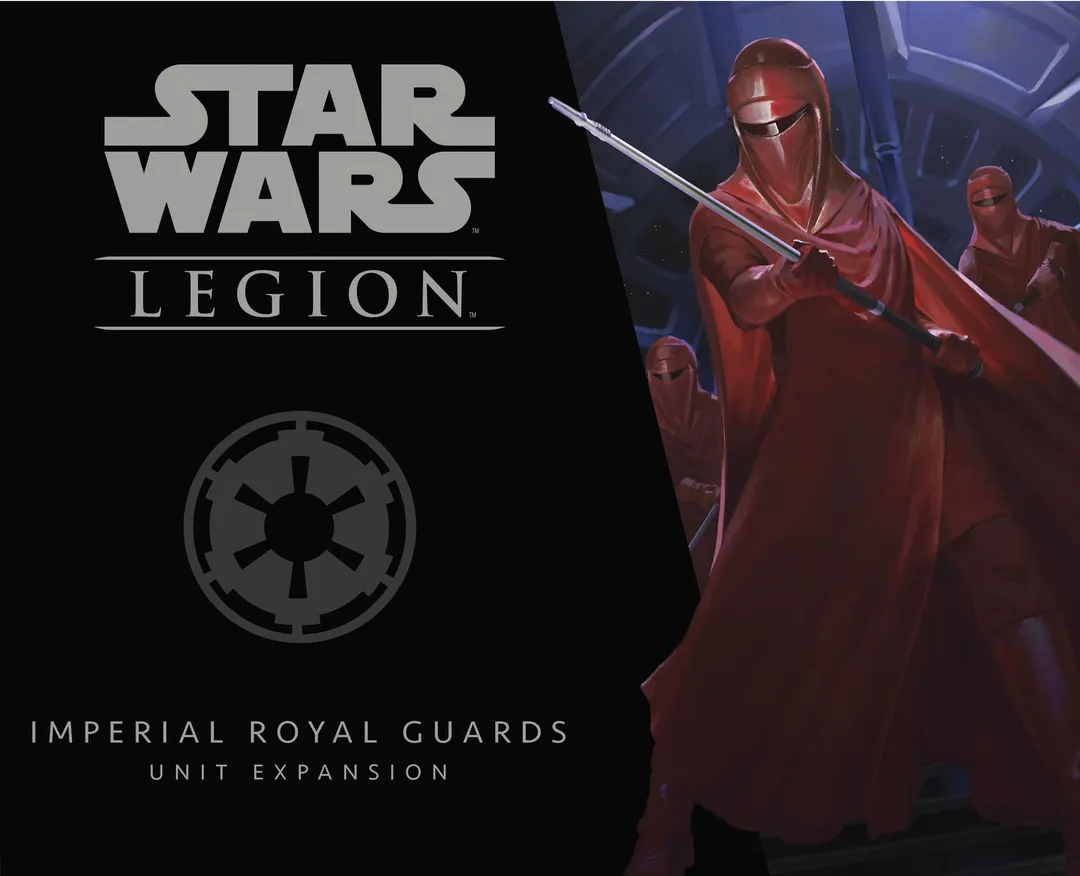
Inscrutable behind their blood-red masks, the Imperial Royal Guard will face down anyone who dares threaten the Emperor. While little is known about these enigmatic warriors, one thing is certain: their sole directive is to protect the leader of the Galactic Empire, with their lives if necessary. The Imperial Royal Guards Unit Expansion contains everything you need to add a unit of Emperor Palpatine's personal bodyguards to your army. The squad of four unpainted, easily assembled miniatures stands ready to protect the Emperor or do his bidding on any planet across the galaxy. Meanwhile, the Royal Guards are also accompanied by five distinct upgrade cards that invite you to outfit them with even more tools for protecting the Emperor. —description from the publisher
Star Wars: Legion – Imperial Royal Guards Unit Expansion supports 2 players according to the catalogue. This is the publisher’s listed player count, so the game is designed for exactly that number of participants. Variants for other group sizes, if any, are described in the rulebook of your edition, so check it before setting up a different configuration.
The listed playing time for Star Wars: Legion – Imperial Royal Guards Unit Expansion is 60–120 minutes. This is the publisher’s estimate for a full game. The actual duration depends on the group, the player count and familiarity with the rules: first sessions usually run longer, while experienced groups often finish faster. Setup and teaching time are not included in this estimate.
The catalogue lists Star Wars: Legion – Imperial Royal Guards Unit Expansion for ages 14 and up. This is the publisher’s recommendation and reflects reading demands, rule complexity and small components rather than theme alone. Younger players can often join with help from an adult, so check the age guidance on your edition and consider your group’s experience with board games.
Star Wars: Legion – Imperial Royal Guards Unit Expansion belongs to these categories: Wargame, Movies / TV / Radio theme, and Miniatures. Its main mechanics are Variable Player Powers, Dice Rolling, and Action Points. Categories describe the theme and setting of a game, while mechanics describe what players actually do on their turns. Each mechanic links to a catalogue hub with similar games, which helps when you want something comparable.
The credited designers of Star Wars: Legion – Imperial Royal Guards Unit Expansion are: Luke Eddy. These credits come from the published game data and name the people responsible for the game’s design, not its illustrators or publishers. Designer pages on MeepleRules collect other titles by the same designers, which helps when you enjoy a game and want to find similar ones.
The catalogue lists Star Wars: Legion – Imperial Royal Guards Unit Expansion as an expansion for Star Wars: Legion. Expansions add new content, rules or scenarios to the base game and usually cannot be played on their own, so you need Star Wars: Legion to use it. Check that your edition of Star Wars: Legion is compatible, as some expansions were revised between editions.