
- BGG rank
- BGG #491
- BGG rating
- 7.5
Newton
- 1–4 players
- 90 min
- Complexity 3.4/5
- 2018

Rules assistance for Stupor Mundi: Miracula
Plain-language explanations of turns, card effects and disputed situations, with official source references and saved question history.
What would you like to know?
Answers come from the official rulebook, with the page to check.
Stupor Mundi: Miracula is an expansion for Stupor Mundi released in 2026 for 1–4 players, 90–150 minutes per game, and ages 14 and up. It was designed by Nestore Mangone and its main mechanics are Hand Management, Solo / Solitaire Game, and Deck, Bag, and Pool Building.




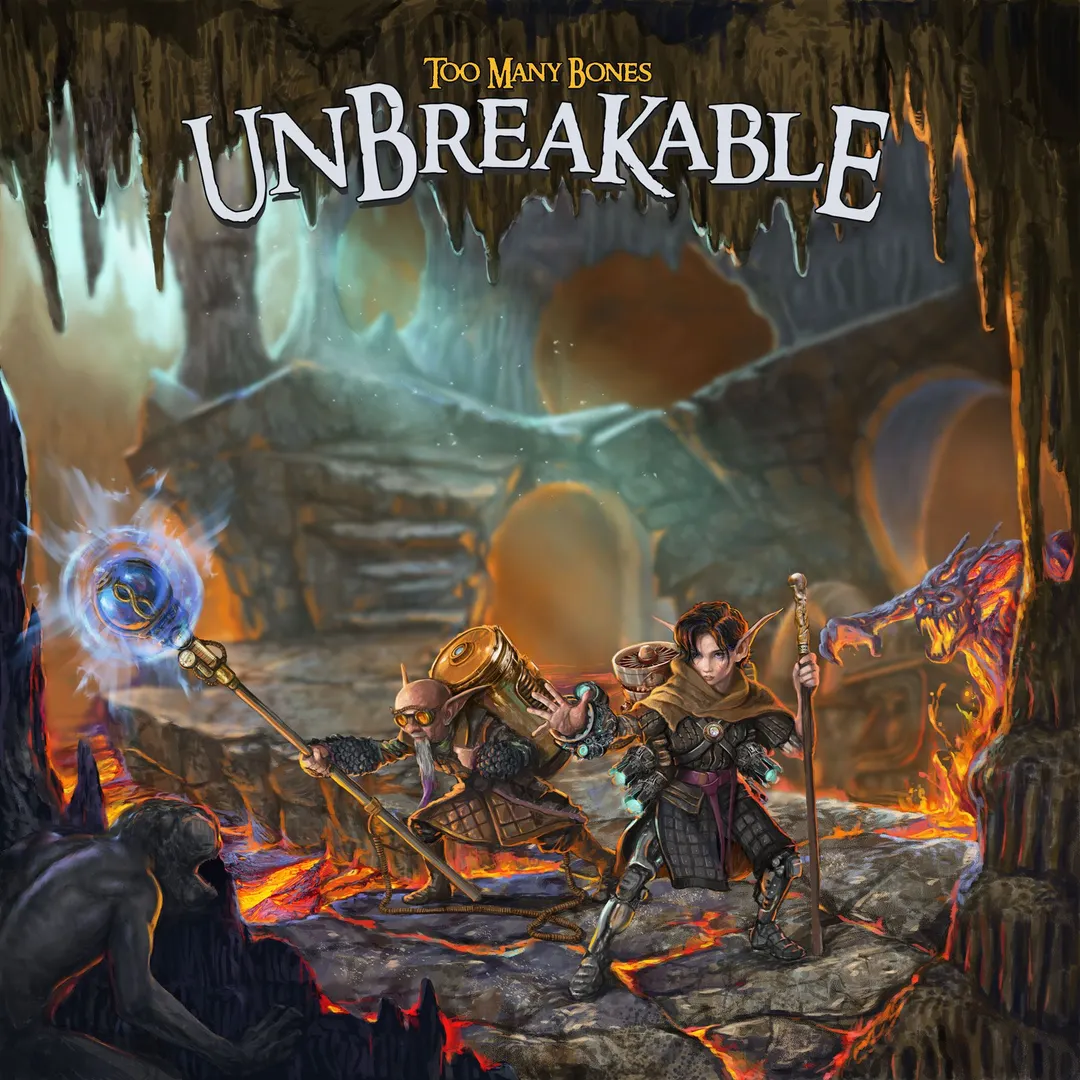






Introducing Miracula — the captivating expansion for Stupor Mundi, featuring two enthralling modules: The Postponed Crusade and The Imperial Projects. Note these were included in Stupor Mundi: Master Print Edition but being released by themselves for those with the retail release of Stupor Mundi. The Postponed Crusade Pope Honorius III urges Emperor Frederick II to launch a long-awaited crusade. Though Frederick's heart may waver, he must maintain a facade of loyalty and piety. As his trusted vassals, you have access to resources meant for the holy war — but beware! Use them too freely for your own ambitions, and you may provoke the Pope's fury and risk excommunication. Balance loyalty and self-interest as you navigate this delicate power struggle. The Imperial Projects Driven by his unrelenting passion for beauty and grandeur, Frederick II dreams of an empire adorned with breathtaking architectural marvels. He summons his vassals to partake in The Imperial Projects — a race to construct the most magnificent castles and fortifications. The promise of eternal glory and the Emperor's favor hangs in the balance. Will your citadel rise above the rest and secure your place in history? With Miracula, dive deeper into the world of Stupor Mundi, where ambition, loyalty, and cunning strategy intertwine. Are you ready to shape the fate of an empire? —description from the publisher
Stupor Mundi: Miracula supports 1–4 players according to the catalogue. This range comes from the publisher’s listed player count, so the game can be set up for any group size within it. Some setups, rules and scoring details may still vary by player count, so check your edition’s rulebook for the exact configuration.
The listed playing time for Stupor Mundi: Miracula is 90–150 minutes. This is the publisher’s estimate for a full game. The actual duration depends on the group, the player count and familiarity with the rules: first sessions usually run longer, while experienced groups often finish faster. Setup and teaching time are not included in this estimate.
The catalogue lists Stupor Mundi: Miracula for ages 14 and up. This is the publisher’s recommendation and reflects reading demands, rule complexity and small components rather than theme alone. Younger players can often join with help from an adult, so check the age guidance on your edition and consider your group’s experience with board games.
Stupor Mundi: Miracula belongs to these categories: Medieval and Expansion for Base-game. Its main mechanics are Hand Management, Solo / Solitaire Game, and Deck, Bag, and Pool Building. Categories describe the theme and setting of a game, while mechanics describe what players actually do on their turns. Each mechanic links to a catalogue hub with similar games, which helps when you want something comparable.
The credited designers of Stupor Mundi: Miracula are: Nestore Mangone. These credits come from the published game data and name the people responsible for the game’s design, not its illustrators or publishers. Designer pages on MeepleRules collect other titles by the same designers, which helps when you enjoy a game and want to find similar ones.
The catalogue lists Stupor Mundi: Miracula as an expansion for Stupor Mundi. Expansions add new content, rules or scenarios to the base game and usually cannot be played on their own, so you need Stupor Mundi to use it. Check that your edition of Stupor Mundi is compatible, as some expansions were revised between editions.