- BGG rating
- 6.8
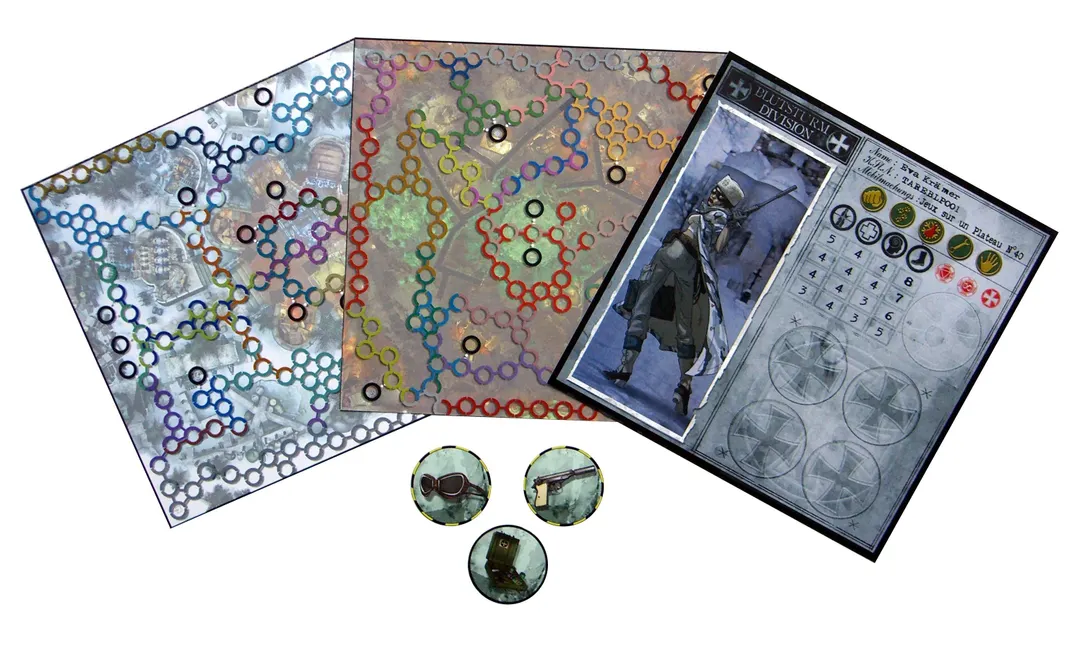
Tannhäuser: Eva Kramer Winter Pack
2–10 players90 min2007
Complexity 2.0/5
2007
Rules assistance for Tannhäuser
Plain-language explanations of turns, card effects and disputed situations, with official source references and saved question history.
What would you like to know?
Answers come from the official rulebook, with the page to check.
Win by meeting the victory condition for the chosen mode; Deathmatch wins immediately when the opponent has no characters on the board.
About 12 min · 8 steps
Step 1 of 8
Characters sharing a path can generally see and attack each other. Adjacent targets can also be attacked, subject to weapon and special rules.
You may pass through a friendly character, but cannot stop there or end your activation there. Passing through an enemy requires a Bull Rush.
Yes. You may act before, during, or after movement, and may split movement around your action.
Move your health marker down one row. A character dies if wounds would take it below its lowest row.
While adjacent, spend an action to inspect it secretly. Then take its equipment or Command Points, or return it facedown.
A character set on Overwatch gives up its normal activation to interrupt an enemy under specified movement or action conditions. Its attack follows normal attack rules, with some weapon restrictions.
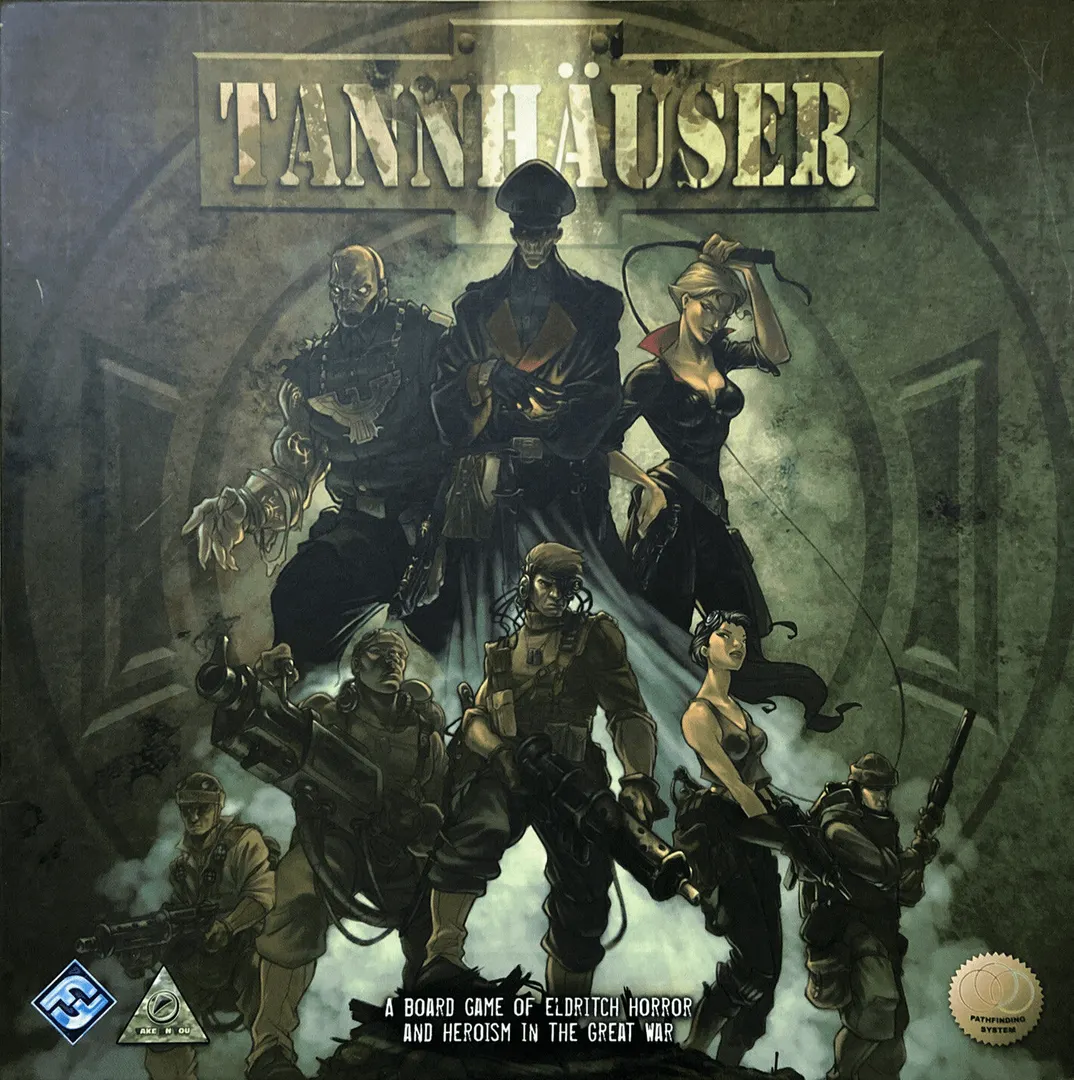
Tannhäuser is a board game released in 2007 for 2–10 players, 60–120 minutes per game, and ages 11 and up. It was designed by William Grosselin and Didier Poli and its main mechanics are Variable Player Powers, Dice Rolling, and Line of Sight. MeepleRules offers a rules assistant for Tannhäuser that explains turns, card effects and disputed situations in plain language.
2–10 players90 min2007
2–10 players60 min2007
2 players60 min2007

2–10 players60 min2007

2–10 players60 min2007

2–10 players60 min2008
2–10 players60 min2008
2–10 players60 min2010

2–10 players60 min2010
2–10 players60 min2010

2–10 players60 min2010
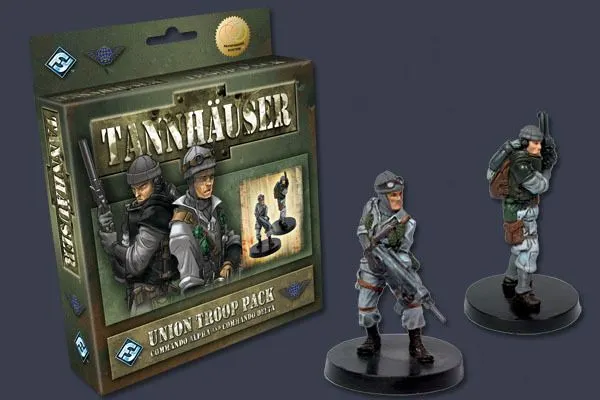
2–10 players60 min2010

1–4 players60–120 min2024

2 players120 min2003

2 players60–90 min2013
2 players90–120 min2023
2–4 players60–120 min2021

1–2 players90 min2024
2–8 players60–120 min2015

2–8 players60–120 min2016
3–6 players60 min2006
2–6 players60 min1999
2–8 players120 min2003
2–4 players30–60 min2018
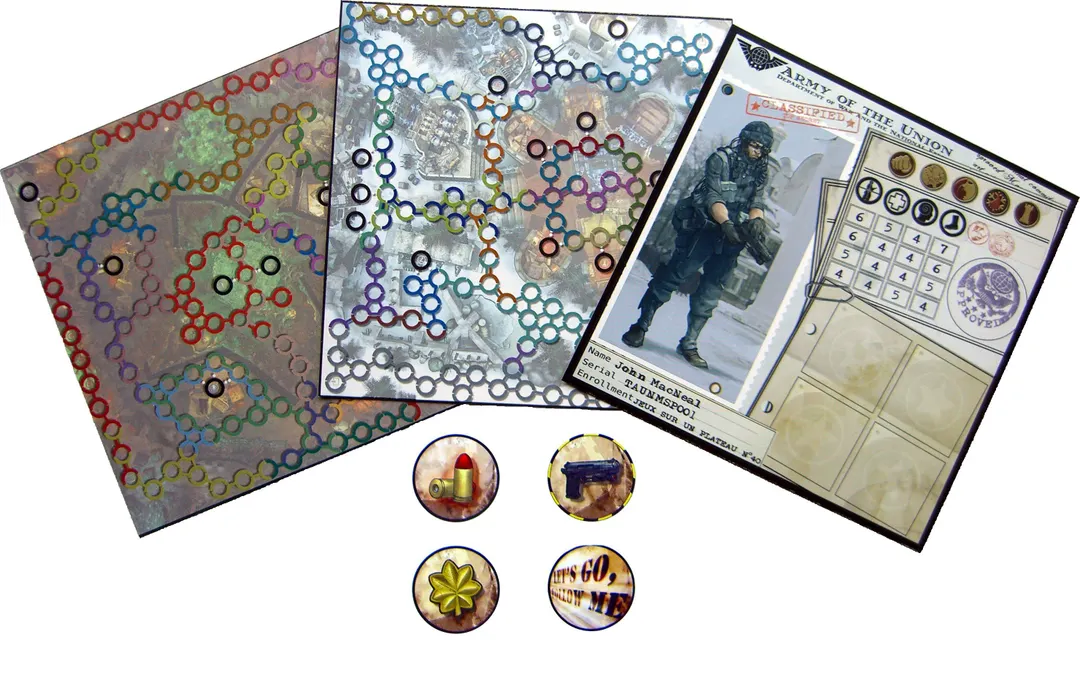
In 1949, this incessant war has been raging for 35 years and finally a secret archaeological dig has delivered to the Obscura Korps a long sought ancient relic. This artifact is thought to guard an ancient parcel of knowledge. The exact emplacement of one of the four dark cardinal corners of reality is on the verge of being revealed. A portal leading to hell, this un-sanctified zone is found buried within the secular crypt of a fortress situated in the heart of central Europe. The Reich's 13th Occult Division is there now. They are about to call upon the Cohorts of Chaos to help them force the world into eternal servitude. Parachuted behind enemy lines, a fistful of men and women are all the Union has left to thwart this peculiar menace. The Unions finest trained commandos armed with technology still in its experimental stages, the glory bound 42nd Alter-Marine Special Forces must now face the most terrible danger to face humanity in recorded history. Tannhäuser goes beyond the standard package of set of characters, proposing a vast array of customization, allowing players to develop a unique tactic and style of play for their hero. 10 charismatic personalties await them to be groomed for battle, using over 70 magnificently illustrated types of tokens that faithfully depict various weapons, medals, ranks, powers and equipment. Rules revised by: Tannhäuser Revised Edition Rulebook
Use the rules assistant for Tannhäuser to describe a turn, card effect or disputed situation. Get a plain-language explanation with official source references, then return to the question in your saved history. Select your edition when available so the sources match your game.
Ask about the rulesTannhäuser supports 2–10 players according to the catalogue. This range comes from the publisher’s listed player count, so the game can be set up for any group size within it. Some setups, rules and scoring details may still vary by player count, so check your edition’s rulebook for the exact configuration.
The listed playing time for Tannhäuser is 60–120 minutes. This is the publisher’s estimate for a full game. The actual duration depends on the group, the player count and familiarity with the rules: first sessions usually run longer, while experienced groups often finish faster. Setup and teaching time are not included in this estimate.
The catalogue lists Tannhäuser for ages 11 and up. This is the publisher’s recommendation and reflects reading demands, rule complexity and small components rather than theme alone. Younger players can often join with help from an adult, so check the age guidance on your edition and consider your group’s experience with board games.
Tannhäuser has a complexity rating of 2.7 out of 5 from BoardGameGeek players, which makes it a medium-light game. The rating reflects how much rules knowledge, planning and decision-making a typical game demands. Expect a longer first teach for heavier games, and use a preparation guide before game night.
Tannhäuser belongs to these categories: Fantasy, Fighting, and Wargame. Its main mechanics are Variable Player Powers, Dice Rolling, and Line of Sight. Categories describe the theme and setting of a game, while mechanics describe what players actually do on their turns. Each mechanic links to a catalogue hub with similar games, which helps when you want something comparable.
The credited designers of Tannhäuser are: William Grosselin and Didier Poli. These credits come from the published game data and name the people responsible for the game’s design, not its illustrators or publishers. Designer pages on MeepleRules collect other titles by the same designers, which helps when you enjoy a game and want to find similar ones.
The catalogue lists Tannhäuser as a base game. It can be played on its own with the components in the box and does not require any other title. Expansions, if any exist, add new content or rules on top of it and are listed separately in the catalogue with a link back to this base game.