
- BGG rank
- BGG #3,223
- BGG rating
- 7.9
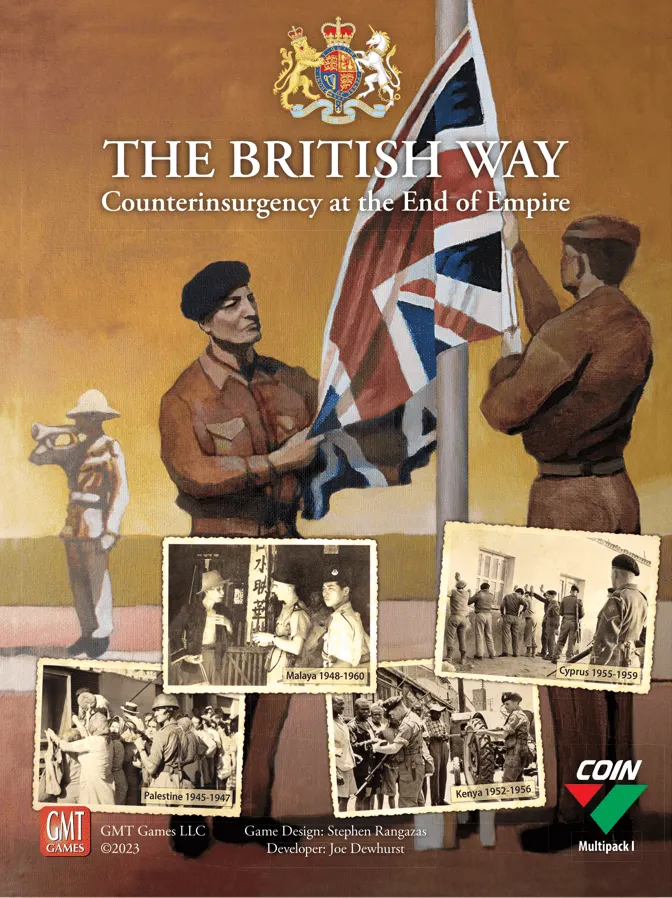
The British Way: Counterinsurgency at the End of Empire
- 2 players
- 60–120 min
- Complexity 3.1/5
- 2023
2026
Rules assistance for The Guerrilla Generation: Cold War Insurgencies in Latin America
Plain-language explanations of turns, card effects and disputed situations, with official source references and saved question history.
For 1 player
What would you like to know?
Answers come from the official rulebook, with the page to check.
The Guerrilla Generation: Cold War Insurgencies in Latin America is a board game released in 2026 for 1–4 players and 60–120 minutes per game. It was designed by Stephen Rangazas and its main mechanics are Variable Player Powers, Income, and Area Movement.




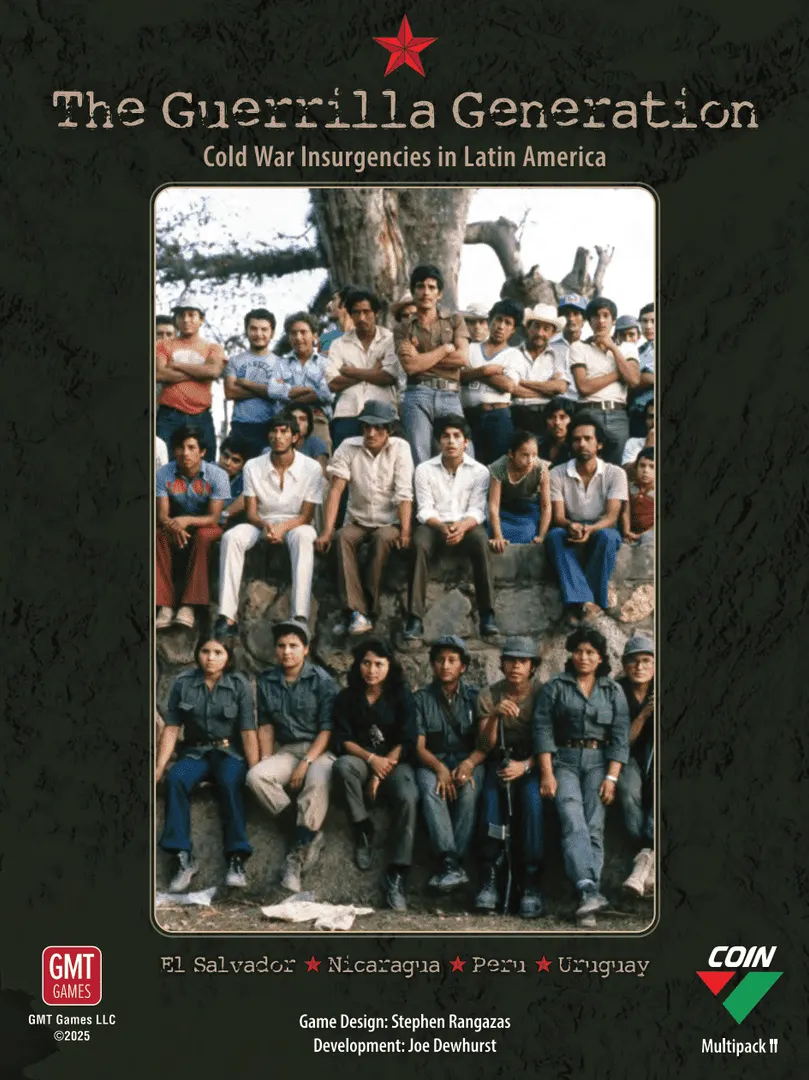
The Guerrilla Generation: Cold War Insurgencies in Latin America is the second COIN multipack, containing four separate games exploring a series of thematically related insurgencies. Building on the The British Way, this new multipack allows players to explore variations in insurgent groups’ organizational structures, strategies, and relationship with civilians, across four insurgencies in Central and South America between 1968 and 1992. During this part of the Cold War era, Latin America experienced an incredible number of different insurgent groups, many inspired by the Cuban Revolution featured in Cuba Libre, ranging from popular backed rural insurgencies, flexible urban guerrillas, externally sponsored raiders, and brutal ideologically rigid groups. This multipack features a game exemplifying each of these types of insurgencies, to offer players the chance to compare different approaches to rebellion. The four games included in the multipack cover conflicts in Uruguay (1968-1972), Nicaragua (1979-1990), El Salvador (1979-1992), and Peru (1980-1992). The Nicaragua and El Salvador games can also be played in a linked campaign scenario, which combines them into a simultaneous side-by-side experience. —description from the publisher
The Guerrilla Generation: Cold War Insurgencies in Latin America supports 1–4 players according to the catalogue. This range comes from the publisher’s listed player count, so the game can be set up for any group size within it. Some setups, rules and scoring details may still vary by player count, so check your edition’s rulebook for the exact configuration.
The listed playing time for The Guerrilla Generation: Cold War Insurgencies in Latin America is 60–120 minutes. This is the publisher’s estimate for a full game. The actual duration depends on the group, the player count and familiarity with the rules: first sessions usually run longer, while experienced groups often finish faster. Setup and teaching time are not included in this estimate.
The Guerrilla Generation: Cold War Insurgencies in Latin America has a complexity rating of 3.0 out of 5 from BoardGameGeek players, which makes it a medium-weight game. The rating reflects how much rules knowledge, planning and decision-making a typical game demands. Expect a longer first teach for heavier games, and use a preparation guide before game night.
The Guerrilla Generation: Cold War Insurgencies in Latin America belongs to these categories: Wargame, Modern Warfare, and Civil War. Its main mechanics are Variable Player Powers, Income, and Area Movement. Categories describe the theme and setting of a game, while mechanics describe what players actually do on their turns. Each mechanic links to a catalogue hub with similar games, which helps when you want something comparable.
The credited designers of The Guerrilla Generation: Cold War Insurgencies in Latin America are: Stephen Rangazas. These credits come from the published game data and name the people responsible for the game’s design, not its illustrators or publishers. Designer pages on MeepleRules collect other titles by the same designers, which helps when you enjoy a game and want to find similar ones.
The catalogue lists The Guerrilla Generation: Cold War Insurgencies in Latin America as a base game. It can be played on its own with the components in the box and does not require any other title. Expansions, if any exist, add new content or rules on top of it and are listed separately in the catalogue with a link back to this base game.