

- BGG rank
- BGG #561
- BGG rating
- 7.9
Here I Stand
- 2–6 players
- 180–900 min
- Complexity 4.2/5
- 2006
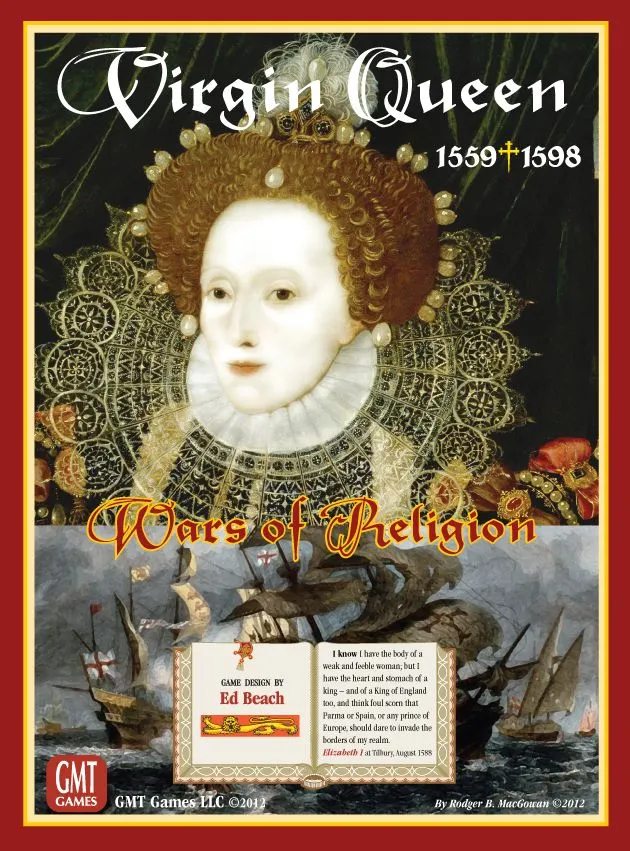
2012
Rules assistance for Virgin Queen
Plain-language explanations of turns, card effects and disputed situations, with official source references and saved question history.
For 2 players
What would you like to know?
Answers come from the official rulebook, with the page to check.
Virgin Queen is a board game released in 2012 for 2–6 players, 420 minutes per game, and ages 12 and up. It was designed by Ed Beach and its main mechanics are Variable Player Powers, Dice Rolling, and Point to Point Movement.



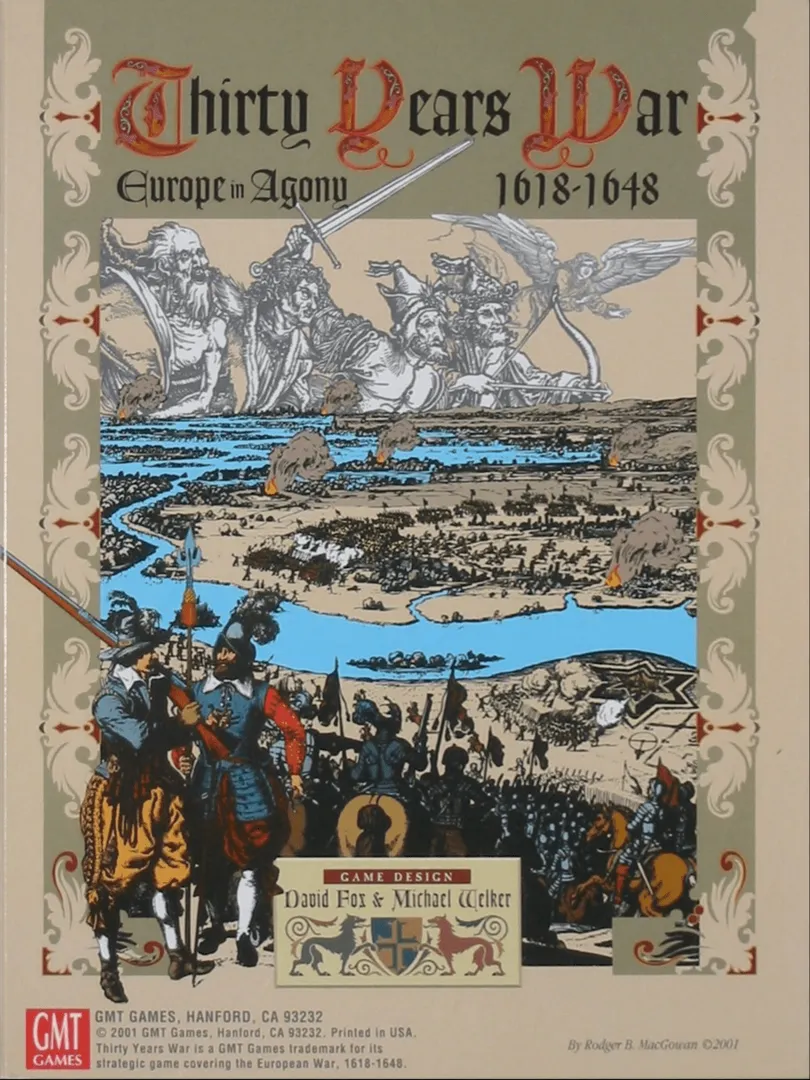
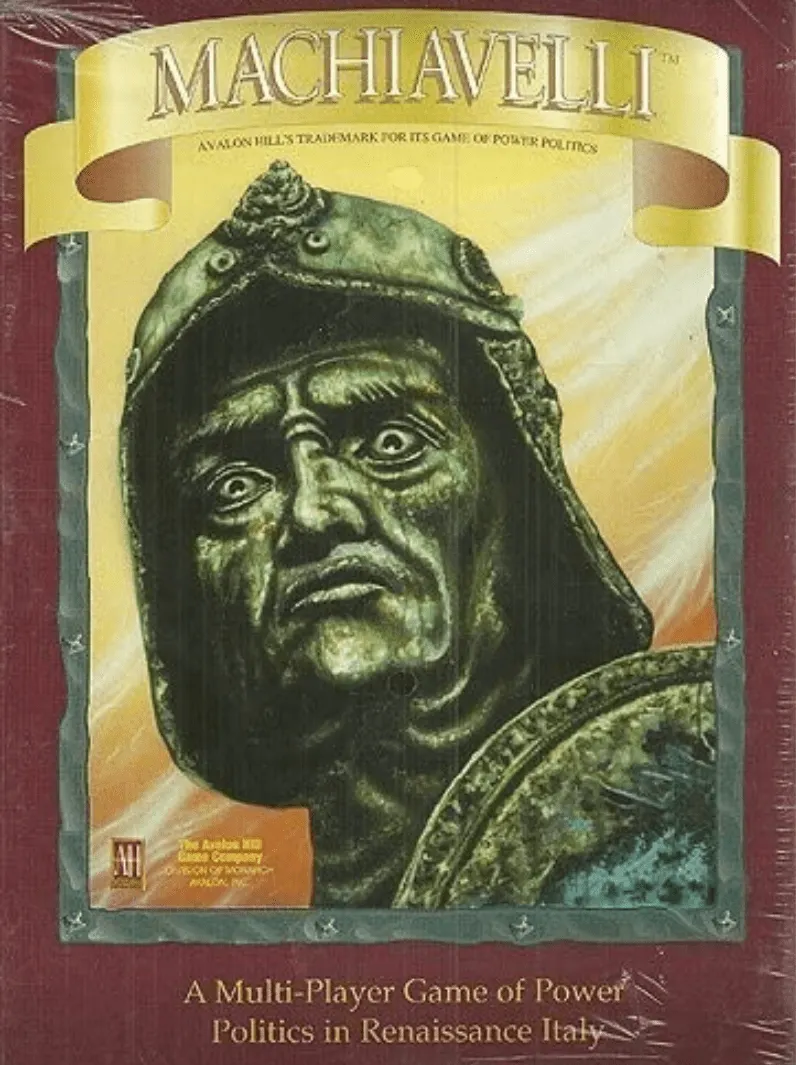


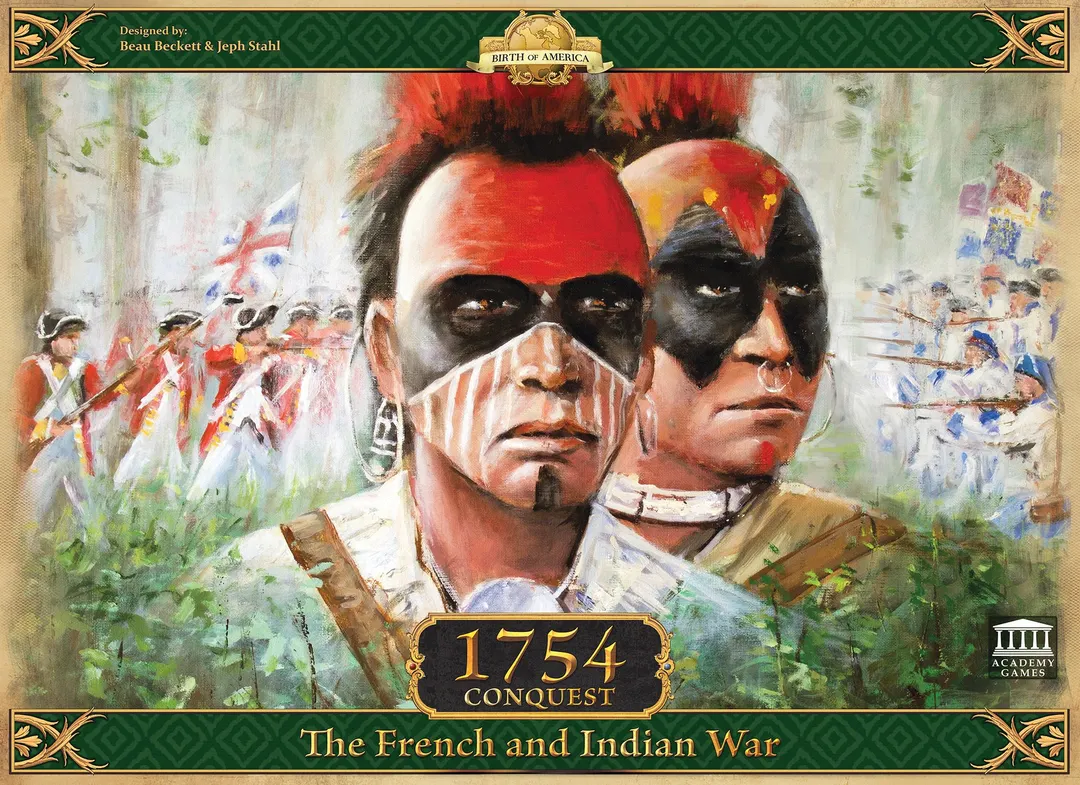
Virgin Queen: Wars of Religion 1559-1598 is a game of grand strategy based on the military, political and religious conflicts within Europe during the reigns of Elizabeth I of England and Philip II of Spain. Each player controls one or more of the major powers that presided over European politics in that day. The six powers in Virgin Queen are: Ottoman, Spain, England, France, Holy Roman Empire, Protestants (Dutch & Huguenots) Virgin Queen is the sequel to Here I Stand, another card-driven game of grand strategy that covered the previous forty years (from Martin Luther's posting of his 95 Theses in 1517 through the abdication of Charles V in 1556). Players familiar with Here I Stand will find much that is familiar in Virgin Queen as over half of the rule book remains unchanged. New game systems have been put in place to emphasize the changing nature of the conflicts here in the late 16th Century: Religion: Streamlined from Here I Stand, the new rules for religious conversion and rebellion allow actions to be resolved quickly, reflecting the already entrenched presence of both Catholic and Protestant factions across the key areas of religious struggle. World Map: Oceanic expeditions are now under direct player control as they sail to the Caribbean and beyond to seize plunder, found colonies, and attempt to circumnavigate the globe. Diplomatic Influence: Alliances with minor powers (and major powers that can be activated in games with fewer than six players) are now made through a unified system where players buy influence at each of these foreign courts. Weddings: Here I Stand’s secret negotiation phase is still present here in Virgin Queen, but with a new twist. Now you will want to arrange marriages for each of the princes and princesses of your family dynasty with a suitable foreign royal. Will even the Virgin Queen succumb to love and take a husband, or will she jilt that suitor at the last minute once again? Patronage: Your royal court will be visited by artists, writers, scientists, and architects, who all want you to invest in their endeavors for the glory and advancement of the realm. Will you sponsor Galileo, Cervantes, or Shakespeare or instead spend your treasury on a fruitless quest for the Philosopher's Stone? Espionage: Beware, there is also a dark side to this period – a time of espionage and spymasters. In Virgin Queen you can ask your ambassadors to spy on foreign courts, send out handgun-armed assassins, invest in cryptology, and even recruit Jesuit priests for undercover missions of conversion. There are several different scenarios included allowing your play sessions to be tailored to the number of players and time available: from GMT website:
Virgin Queen supports 2–6 players according to the catalogue. This range comes from the publisher’s listed player count, so the game can be set up for any group size within it. Some setups, rules and scoring details may still vary by player count, so check your edition’s rulebook for the exact configuration.
The listed playing time for Virgin Queen is 420 minutes. This is the publisher’s estimate for a full game. The actual duration depends on the group, the player count and familiarity with the rules: first sessions usually run longer, while experienced groups often finish faster. Setup and teaching time are not included in this estimate.
The catalogue lists Virgin Queen for ages 12 and up. This is the publisher’s recommendation and reflects reading demands, rule complexity and small components rather than theme alone. Younger players can often join with help from an adult, so check the age guidance on your edition and consider your group’s experience with board games.
Virgin Queen has a complexity rating of 4.5 out of 5 from BoardGameGeek players, which makes it a heavy game. The rating reflects how much rules knowledge, planning and decision-making a typical game demands. Expect a longer first teach for heavier games, and use a preparation guide before game night.
Virgin Queen belongs to these categories: Wargame, Political, and Negotiation. Its main mechanics are Variable Player Powers, Dice Rolling, and Point to Point Movement. Categories describe the theme and setting of a game, while mechanics describe what players actually do on their turns. Each mechanic links to a catalogue hub with similar games, which helps when you want something comparable.
The credited designers of Virgin Queen are: Ed Beach. These credits come from the published game data and name the people responsible for the game’s design, not its illustrators or publishers. Designer pages on MeepleRules collect other titles by the same designers, which helps when you enjoy a game and want to find similar ones.
The catalogue lists Virgin Queen as a base game. It can be played on its own with the components in the box and does not require any other title. Expansions, if any exist, add new content or rules on top of it and are listed separately in the catalogue with a link back to this base game.