- BGG rank
- BGG #155
- BGG rating
- 7.8
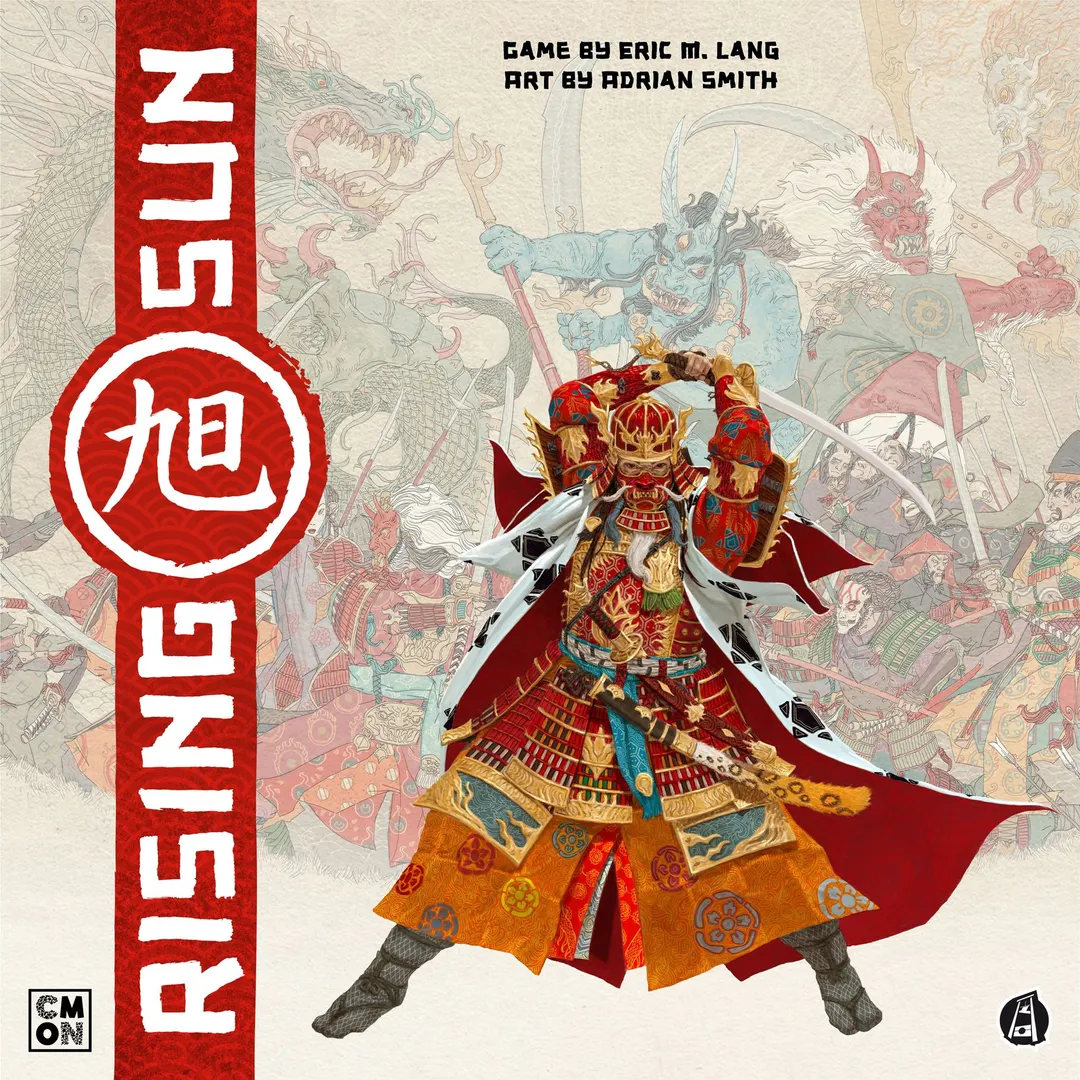
Rising Sun
- 3–5 players
- 90–120 min
- Complexity 3.3/5
- 2018
2025
Rules assistance for Virtus!
Plain-language explanations of turns, card effects and disputed situations, with official source references and saved question history.
What would you like to know?
Answers come from the official rulebook, with the page to check.
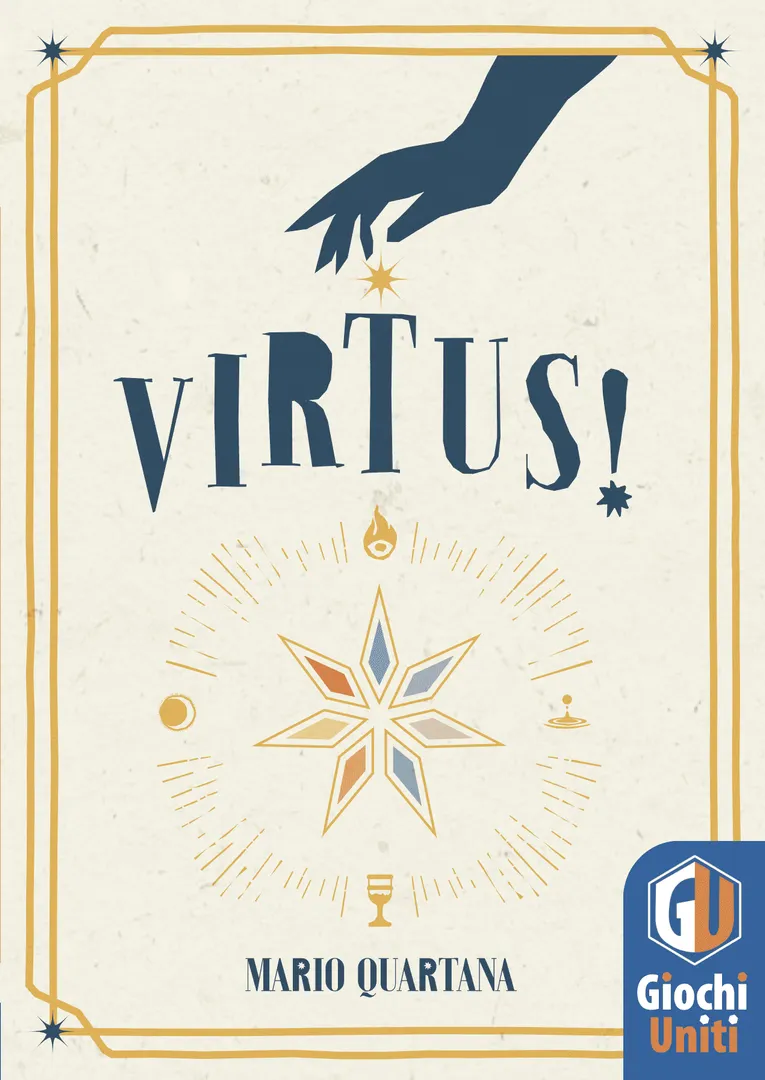
Virtus! is a board game released in 2025 for 2–7 players, 20–40 minutes per game, and ages 10 and up. It was designed by Mario Quartana and its main mechanics are Variable Player Powers, Set Collection, and Area Majority / Influence.







“Fatti non foste a viver come bruti, ma per seguir virtute e canoscenza.” Dante Alighieri - Canto XXVI verse 119 of Inferno "You were not made to live like brutes, but to follow virtue and knowledge." Throughout history, thinkers and philosophers have sought the path to a balanced and enlightened life, exploring human potential through the Seven Virtues—Charity, Faith, Hope, Courage, Justice, Temperance, and Prudence. These ideals are more than abstract principles; they are forces in constant struggle, shaping those who dare to master them. Virtus is a game of strategic mastery, where players compete to control these Virtues, gaining power and recognition. By securing majorities in specific Virtues, players unlock powerful effects and earn points, but the path to victory requires careful planning and tactical decisions. Each turn, players select cards that represent different Virtues, striving to embody them more fully than their rivals. The player with the most influence over a Virtue gains its unique ability and high-value rewards, while others must adapt their strategy to stay competitive. With set collection, majority control, and variable powers, Virtus offers fast-paced yet deeply tactical gameplay. Designed for 2-7 players, Virtus is easy to learn but rich in strategic depth. Whether you seek a quick, engaging filler or a deeper battle of wits, every match is a test of wisdom and foresight. Will you rise above your opponents and prove your Virtue?
Virtus! supports 2–7 players according to the catalogue. This range comes from the publisher’s listed player count, so the game can be set up for any group size within it. Some setups, rules and scoring details may still vary by player count, so check your edition’s rulebook for the exact configuration.
The listed playing time for Virtus! is 20–40 minutes. This is the publisher’s estimate for a full game. The actual duration depends on the group, the player count and familiarity with the rules: first sessions usually run longer, while experienced groups often finish faster. Setup and teaching time are not included in this estimate.
The catalogue lists Virtus! for ages 10 and up. This is the publisher’s recommendation and reflects reading demands, rule complexity and small components rather than theme alone. Younger players can often join with help from an adult, so check the age guidance on your edition and consider your group’s experience with board games.
Virtus! has a complexity rating of 1.0 out of 5 from BoardGameGeek players, which makes it a light game. The rating reflects how much rules knowledge, planning and decision-making a typical game demands. Expect a longer first teach for heavier games, and use a preparation guide before game night.
Virtus! belongs to these categories: Card Game. Its main mechanics are Variable Player Powers, Set Collection, and Area Majority / Influence. Categories describe the theme and setting of a game, while mechanics describe what players actually do on their turns. Each mechanic links to a catalogue hub with similar games, which helps when you want something comparable.
The credited designers of Virtus! are: Mario Quartana. These credits come from the published game data and name the people responsible for the game’s design, not its illustrators or publishers. Designer pages on MeepleRules collect other titles by the same designers, which helps when you enjoy a game and want to find similar ones.
The catalogue lists Virtus! as a base game. It can be played on its own with the components in the box and does not require any other title. Expansions, if any exist, add new content or rules on top of it and are listed separately in the catalogue with a link back to this base game.
