
- BGG rating
- 8.3
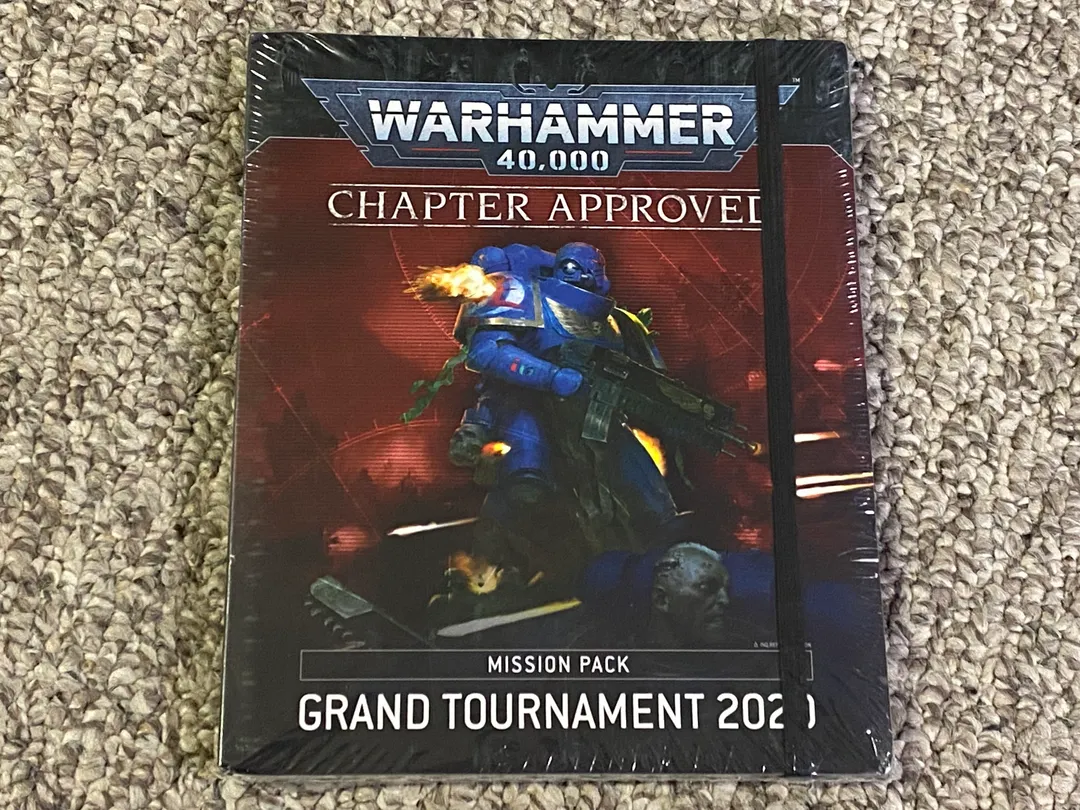
Warhammer 40,000 (Ninth Edition): Chapter Approved – Grand Tournament Mission Pack and Munitorum Field Manual 2020
- 2020
2020
Rules assistance for Warhammer 40,000 (Ninth Edition)
Plain-language explanations of turns, card effects and disputed situations, with official source references and saved question history.
For 2 players
What would you like to know?
Answers come from the official rulebook, with the page to check.
Warhammer 40,000 (Ninth Edition) is a board game released in 2020 for 2–6 players, 120–240 minutes per game, and ages 12 and up. Its main mechanics are Variable Player Powers, Scenario / Mission / Campaign Game, and Measurement Movement.
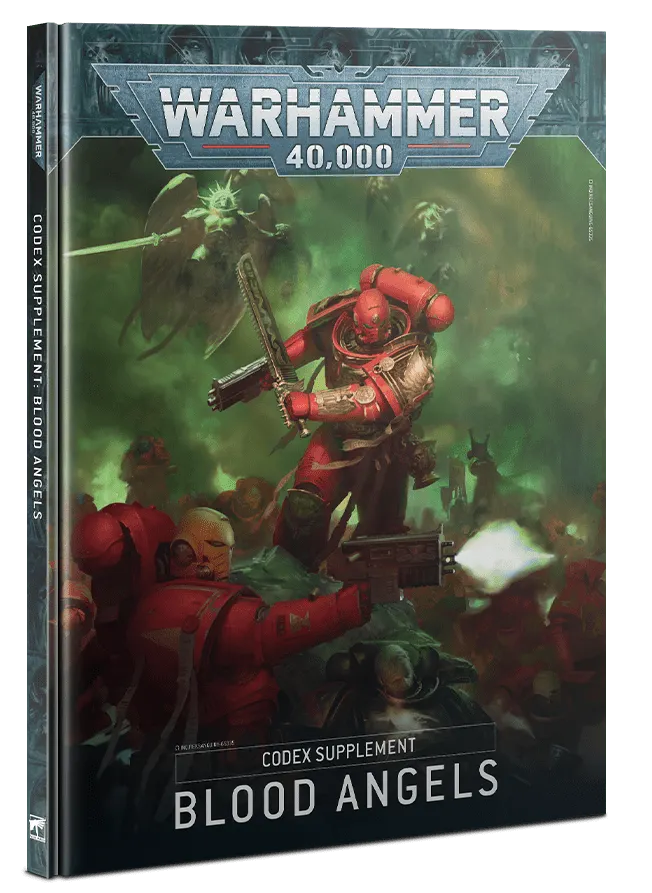

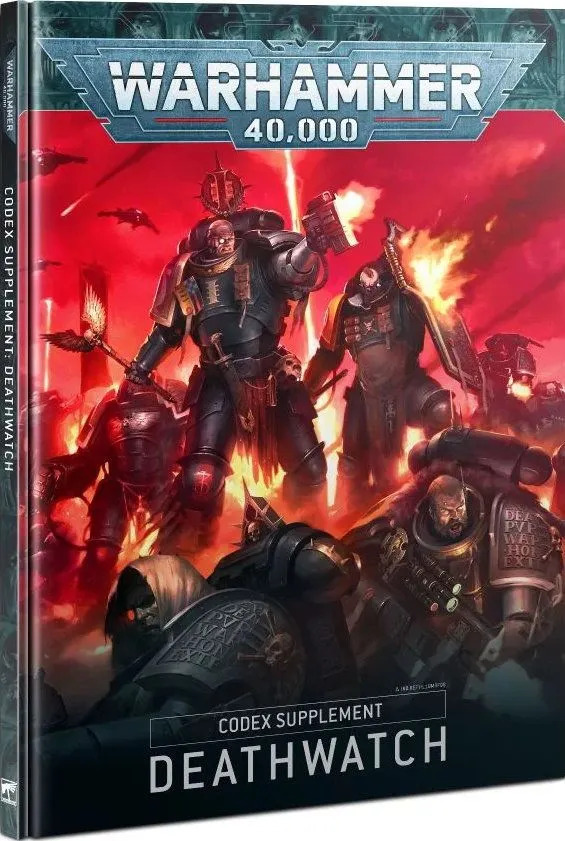
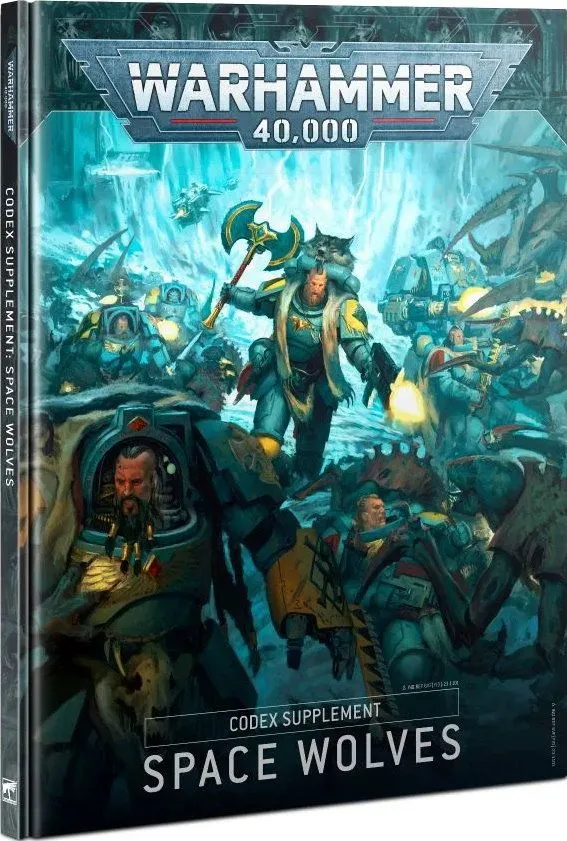



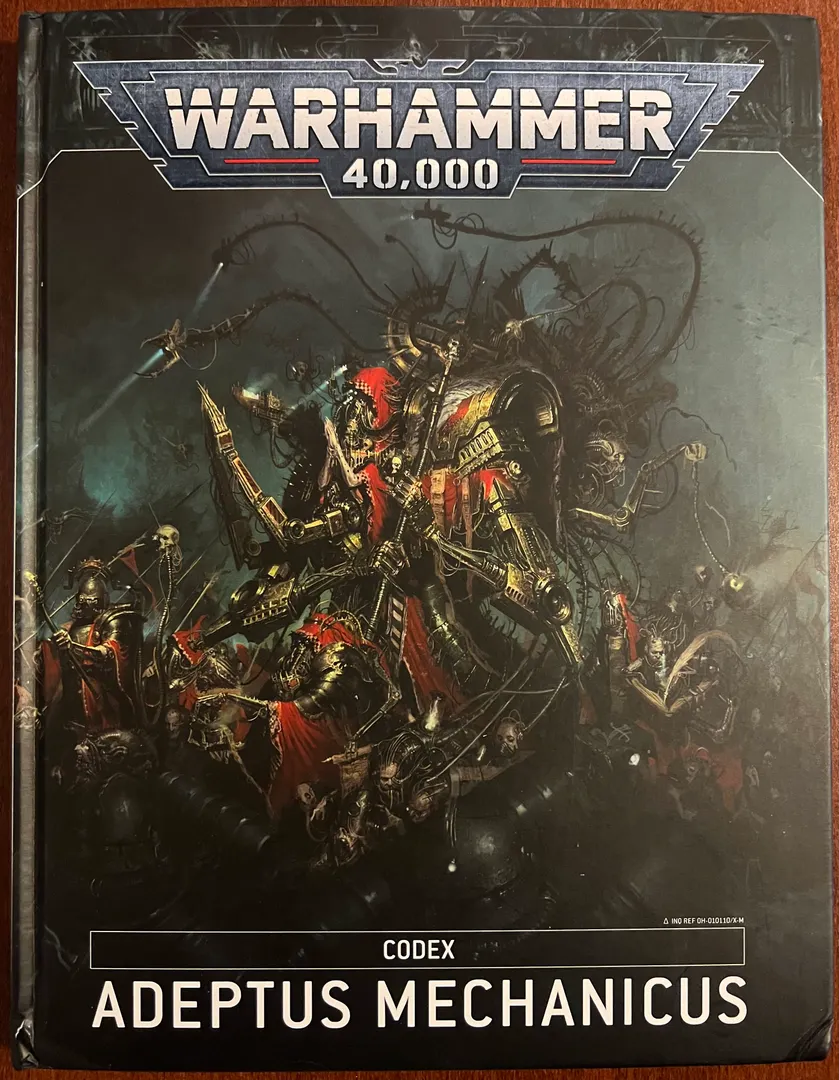


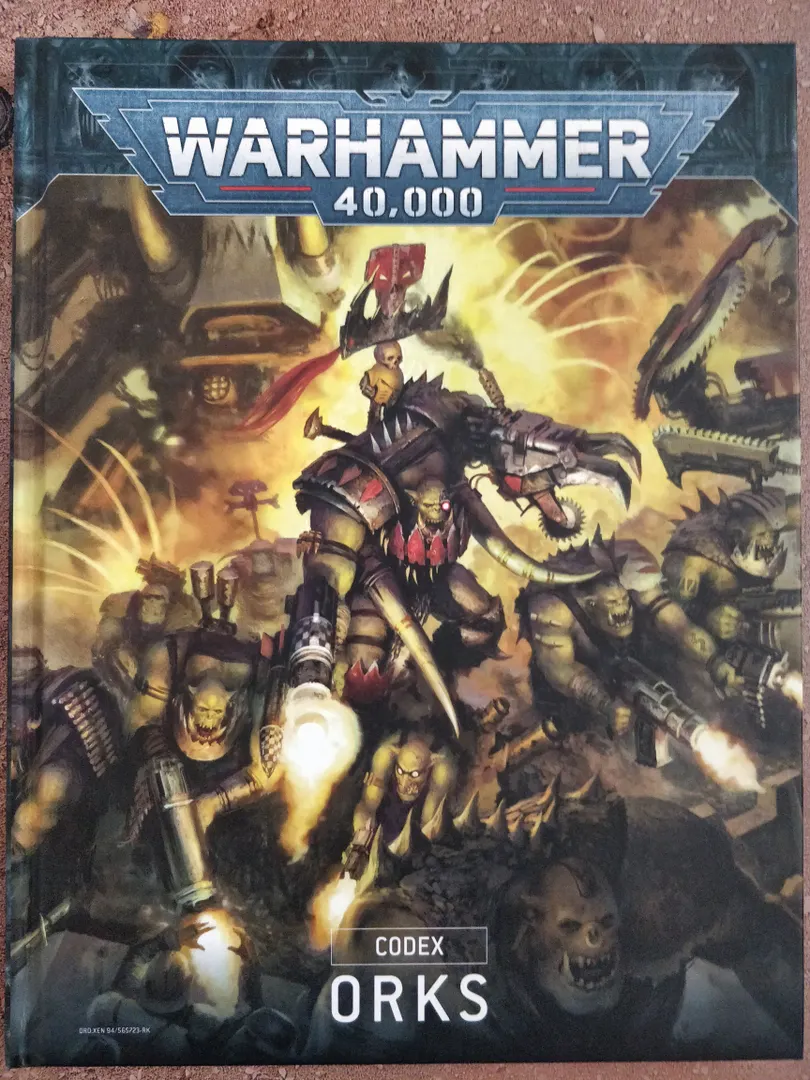
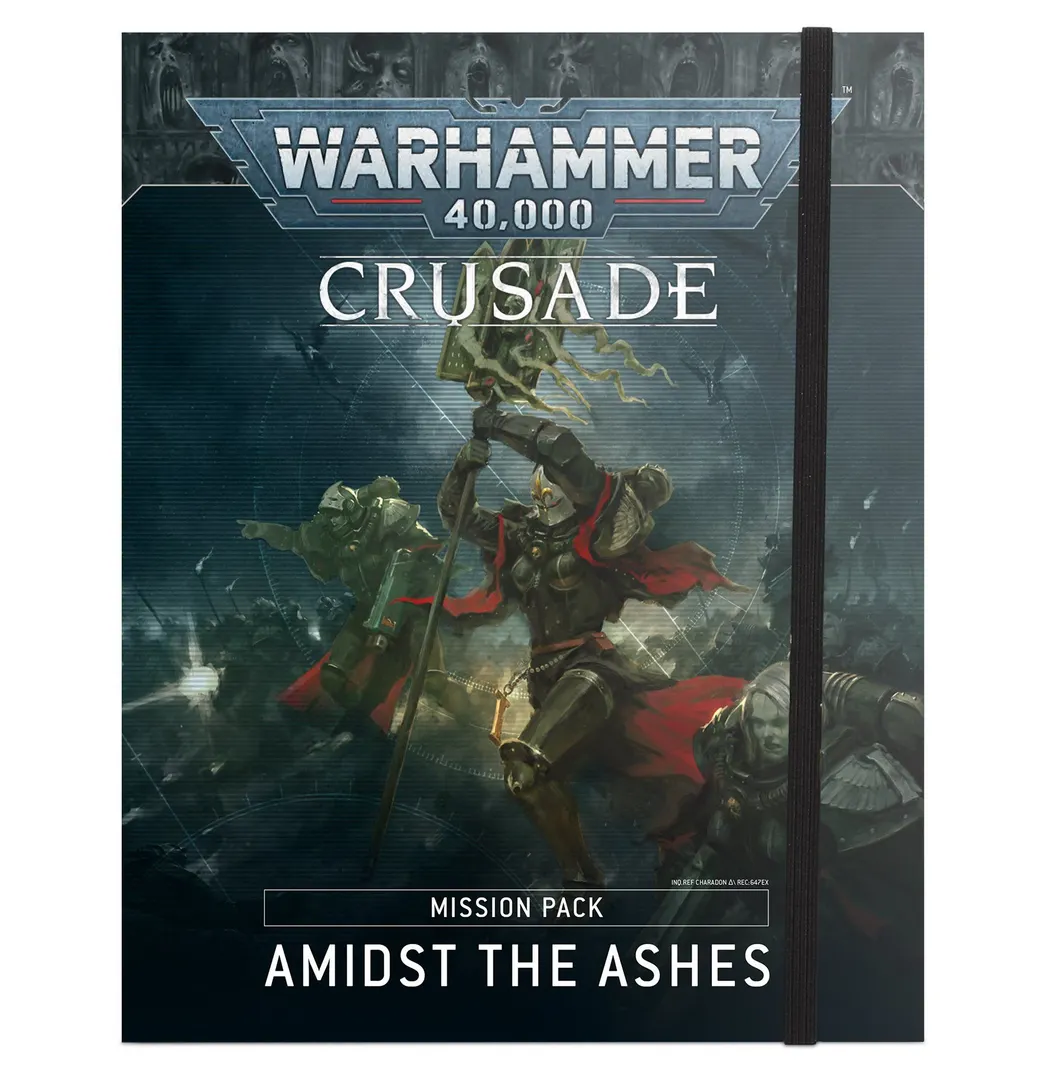

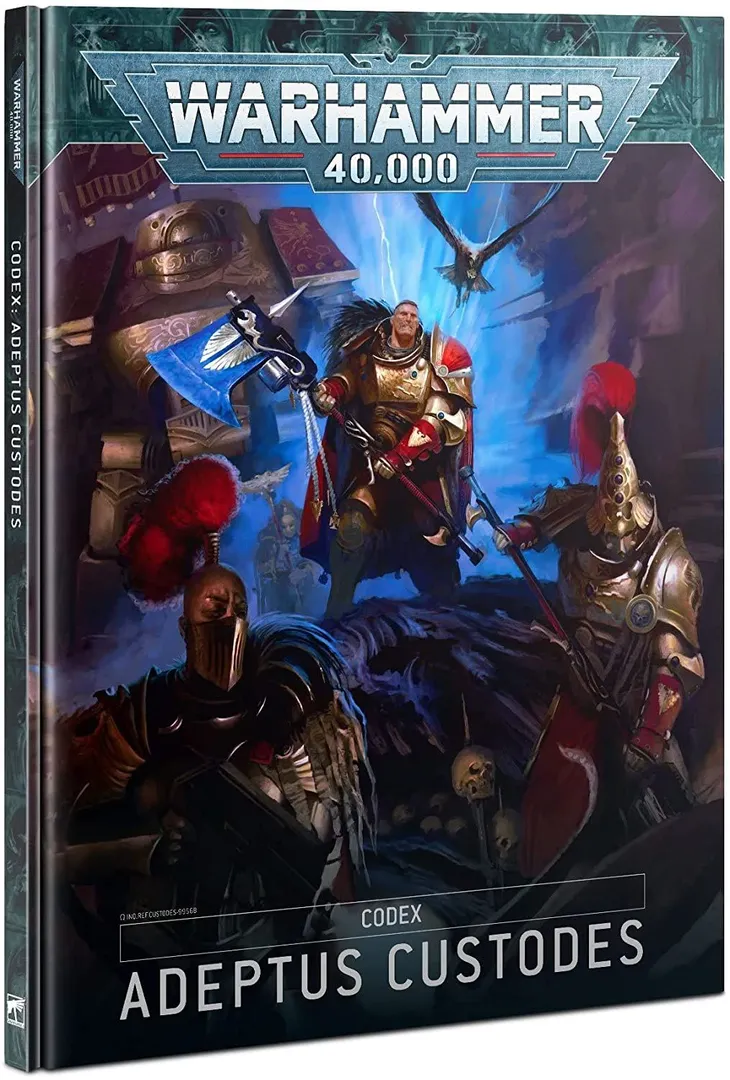



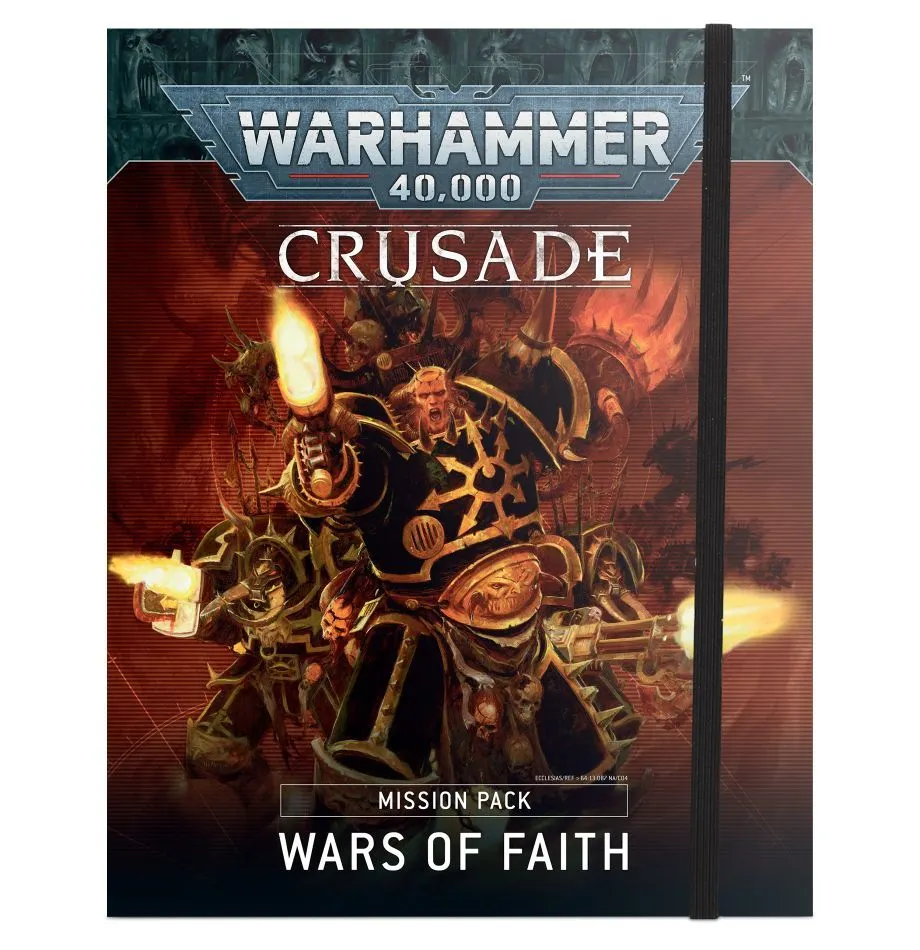
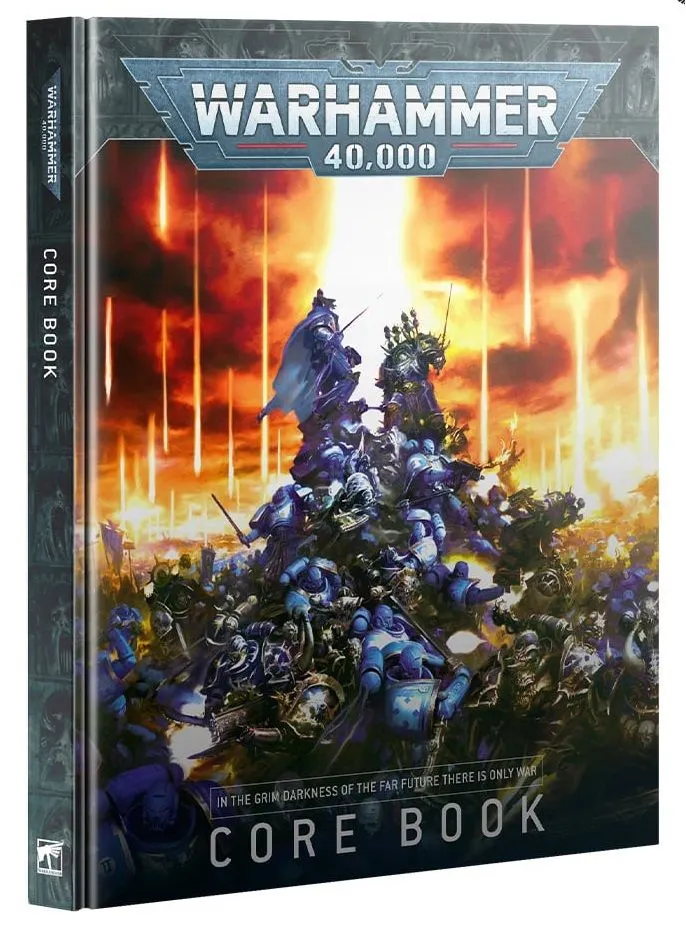

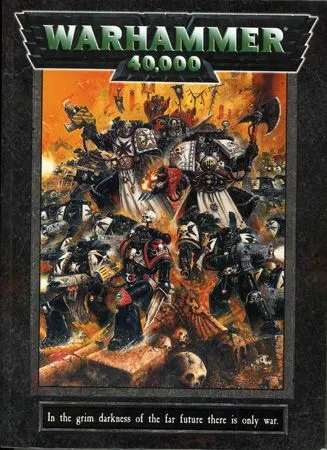
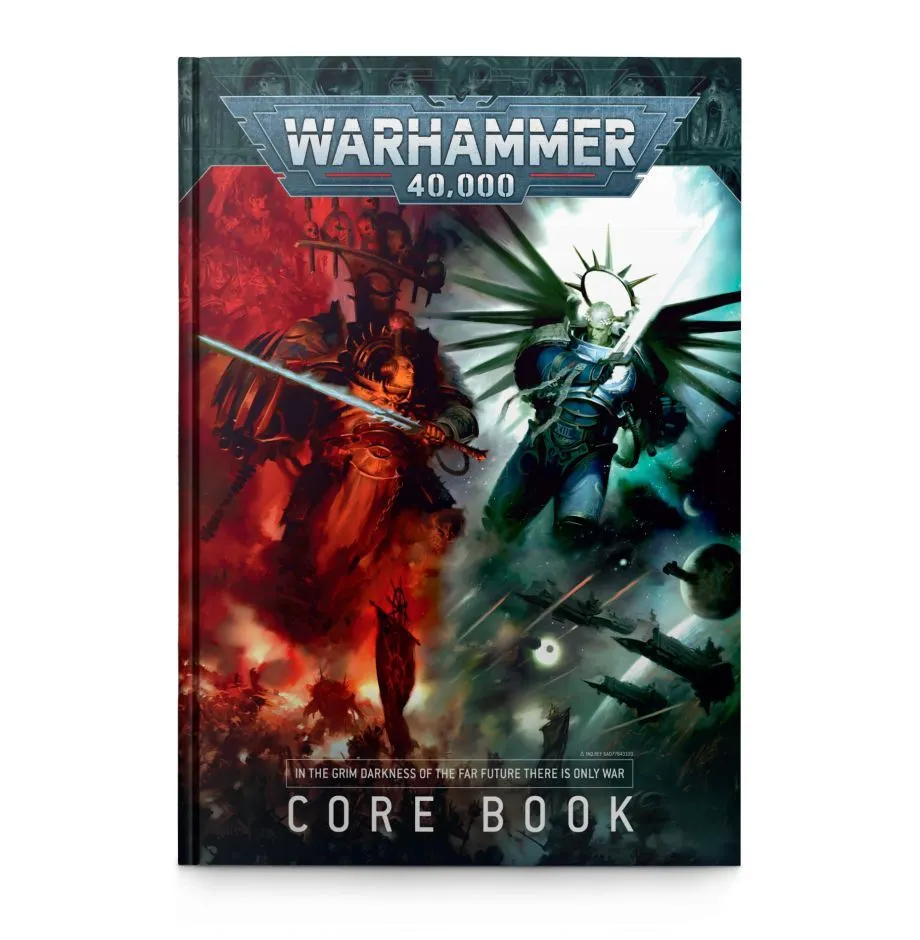
The 9th edition rulebook is full of changes and clarifications but essentially these new rules are, at their core, less ambiguous than the prior edition and do a good job at removing multiple interpretations. It also introduces a new Coherency rule and checks and Command Phase. The New Coherency Rule - The 6” vertical limit has been reduced to 5” in the new edition (the height of a single floor of Sector Imperialis/Mechanicus buildings) and if a unit has 6 or more models then each model needs to be within 2” of 2 models now. Engagement Range codifies the concept of “within 1″ of the enemy” into a single term for reuse across the rules, and also adds a new feature – in 9th edition it now has a vertical component (5″) allowing for fights across different elevations in ruins, over crates or around barrels. Measuring distances now has a section of the rules all to itself. Unit strength and Destroyed units rules have been updated. The Command Phase is brand new for 9th and consolidates a few different things into one phase of the game. Essentially everything that happened in the void between the start of a turn and the movement phase, the “before the movement phase” rules. --from the publisher’s website
Warhammer 40,000 (Ninth Edition) supports 2–6 players according to the catalogue. This range comes from the publisher’s listed player count, so the game can be set up for any group size within it. Some setups, rules and scoring details may still vary by player count, so check your edition’s rulebook for the exact configuration.
The listed playing time for Warhammer 40,000 (Ninth Edition) is 120–240 minutes. This is the publisher’s estimate for a full game. The actual duration depends on the group, the player count and familiarity with the rules: first sessions usually run longer, while experienced groups often finish faster. Setup and teaching time are not included in this estimate.
The catalogue lists Warhammer 40,000 (Ninth Edition) for ages 12 and up. This is the publisher’s recommendation and reflects reading demands, rule complexity and small components rather than theme alone. Younger players can often join with help from an adult, so check the age guidance on your edition and consider your group’s experience with board games.
Warhammer 40,000 (Ninth Edition) has a complexity rating of 4.4 out of 5 from BoardGameGeek players, which makes it a heavy game. The rating reflects how much rules knowledge, planning and decision-making a typical game demands. Expect a longer first teach for heavier games, and use a preparation guide before game night.
Warhammer 40,000 (Ninth Edition) belongs to these categories: Wargame, Miniatures, and Science Fiction. Its main mechanics are Variable Player Powers, Scenario / Mission / Campaign Game, and Measurement Movement. Categories describe the theme and setting of a game, while mechanics describe what players actually do on their turns. Each mechanic links to a catalogue hub with similar games, which helps when you want something comparable.
The catalogue lists Warhammer 40,000 (Ninth Edition) as a base game. It can be played on its own with the components in the box and does not require any other title. Expansions, if any exist, add new content or rules on top of it and are listed separately in the catalogue with a link back to this base game.