

- BGG rank
- BGG #6,955
- BGG rating
- 7.7
Angel Fury
- 1–4 players
- 60–120 min
- Complexity 2.8/5
- 2022
2011
Rules assistance for Wilderness
Plain-language explanations of turns, card effects and disputed situations, with official source references and saved question history.
For 2 players
What would you like to know?
Answers come from the official rulebook, with the page to check.
Wilderness is a board game released in 2011 for 2–8 players, 60 minutes per game, and ages 13 and up. It was designed by Daniel Fryxelius and Thomas Fryxelius and its main mechanics are Hand Management, Area Movement, and Dice Rolling.


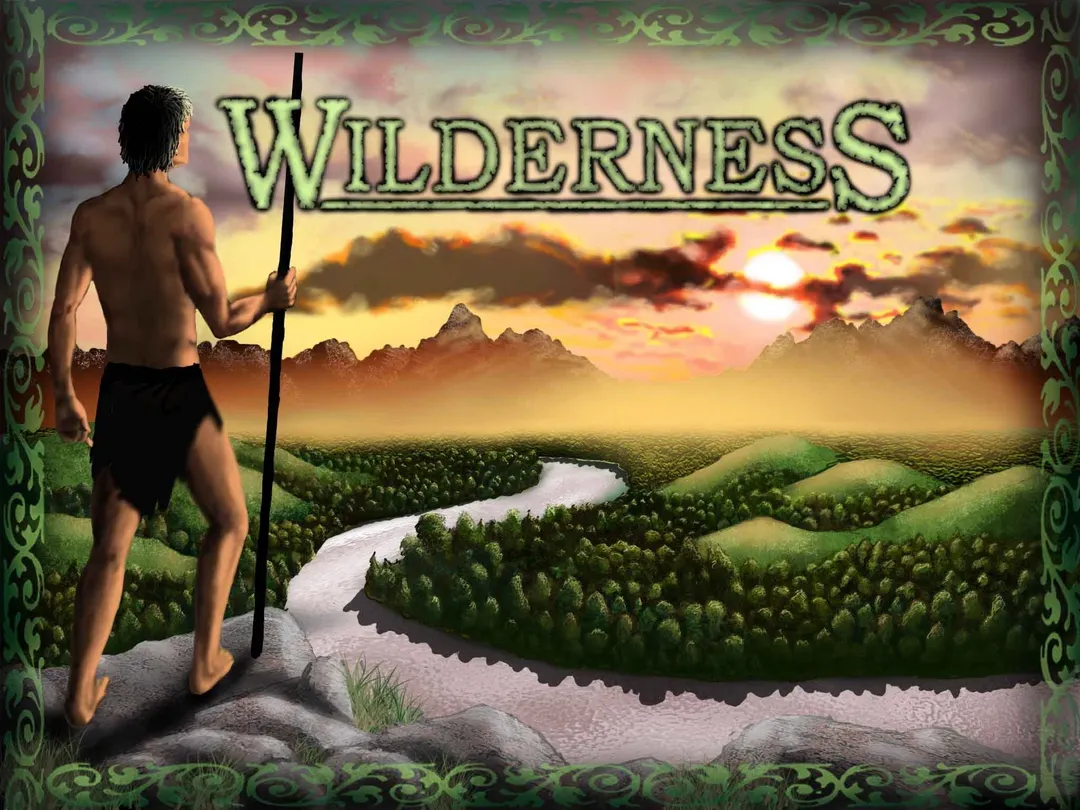
You have been robbed and left for dead in the middle of nowhere. Without proper clothes or equipment, you must reach the civilized village before you die from hunger, thirst or exhaustion. But there are wild animals lurking, mountains blocking the way, and a wide variety of unpleasant diseases waiting to invade your body. When you think it cannot possibly get any worse, you feel a taunting raindrop on your cheek… In Wilderness, 2 to 8 players race to the nearest civilized village – but the village is not near, and the way there is not paved. You will have to find water, search for food, avoid wolves, bears and snakes, endure sicknesses and keep your strength up to be able to get there. Each player's health is tracked with three parameters: thirst, hunger and exhaustion. Every turn you get more thirsty and hungry and exhausted. The thirstier and hungrier you are, the more exhausted you become, and that determines how much energy you will have each turn. If the exhaustion hits the bottom, you die. The energy is used to walk, but also to search for food or rest. To regain your strength (reduce your exhaustion) you also have to sleep. One of the biggest risks is encountering a predator since they attack you with two dice and you defend with only one and increase exhaustion equal to the difference. And they can scent you from a mile away... The game board is discovered gradually as players progress across it, and there are six turns each day (four day turns, two night turns). Each day has different special rules and each landscape tile has its own challenges. Each landscape tile has 21 hexagonal areas in a big triangle and each area has a terrain type such as mountain, wood, swamp and so on, and the tile may also include a predator lair. Different terrain types have their benefits and challenges. The combination and orientation of different landscape tiles make the way forward uncertain and new every game. To top it off, the players have a limited supply of cards that can be played to help yourself or thwart your opponent in certain situations. Besides the normal six-tile board, the game can be played in an easy, short version by having only four landscape tiles, or it can be played in a challenging long version by including all eight available landscape tiles. The hand-made edition of Wilderness sold out at Spiel 2011. FryxGames is releasing a professionally published version in the first half of 2012, and this version will have improved game play and graphics. For example, search for food has replaced hunting. It is not very likely that you have the equipment you need to hunt. Instead, food will be slightly easier to find but will not fill your stomach as much as before.
Wilderness supports 2–8 players according to the catalogue. This range comes from the publisher’s listed player count, so the game can be set up for any group size within it. Some setups, rules and scoring details may still vary by player count, so check your edition’s rulebook for the exact configuration.
The listed playing time for Wilderness is 60 minutes. This is the publisher’s estimate for a full game. The actual duration depends on the group, the player count and familiarity with the rules: first sessions usually run longer, while experienced groups often finish faster. Setup and teaching time are not included in this estimate.
The catalogue lists Wilderness for ages 13 and up. This is the publisher’s recommendation and reflects reading demands, rule complexity and small components rather than theme alone. Younger players can often join with help from an adult, so check the age guidance on your edition and consider your group’s experience with board games.
Wilderness has a complexity rating of 2.1 out of 5 from BoardGameGeek players, which makes it a medium-light game. The rating reflects how much rules knowledge, planning and decision-making a typical game demands. Expect a longer first teach for heavier games, and use a preparation guide before game night.
Wilderness belongs to these categories: Exploration, Adventure, and Racing. Its main mechanics are Hand Management, Area Movement, and Dice Rolling. Categories describe the theme and setting of a game, while mechanics describe what players actually do on their turns. Each mechanic links to a catalogue hub with similar games, which helps when you want something comparable.
The credited designers of Wilderness are: Daniel Fryxelius and Thomas Fryxelius. These credits come from the published game data and name the people responsible for the game’s design, not its illustrators or publishers. Designer pages on MeepleRules collect other titles by the same designers, which helps when you enjoy a game and want to find similar ones.
The catalogue lists Wilderness as a base game. It can be played on its own with the components in the box and does not require any other title. Expansions, if any exist, add new content or rules on top of it and are listed separately in the catalogue with a link back to this base game.