
- BGG rank
- BGG #1,546
- BGG rating
- 8.0
Zhanguo: The First Empire
- 1–4 players
- 60–120 min
- Complexity 3.8/5
- 2023
2014
Rules assistance for ZhanGuo
Plain-language explanations of turns, card effects and disputed situations, with official source references and saved question history.
For 2 players
What would you like to know?
Answers come from the official rulebook, with the page to check.
ZhanGuo is a board game released in 2014 for 2–4 players, 60–120 minutes per game, and ages 12 and up. It was designed by Marco Canetta and Stefania Niccolini and its main mechanics are Hand Management and Area Majority / Influence.

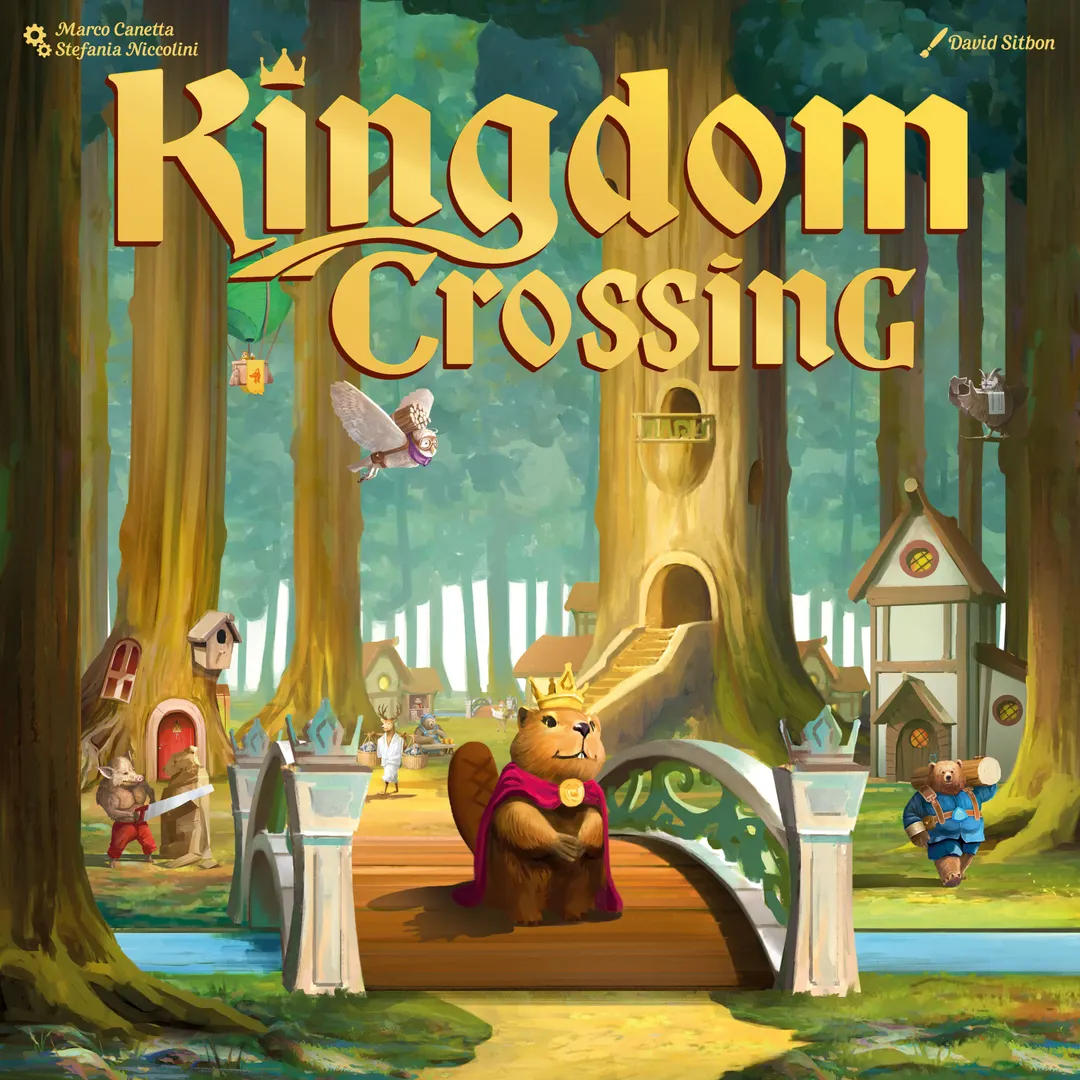


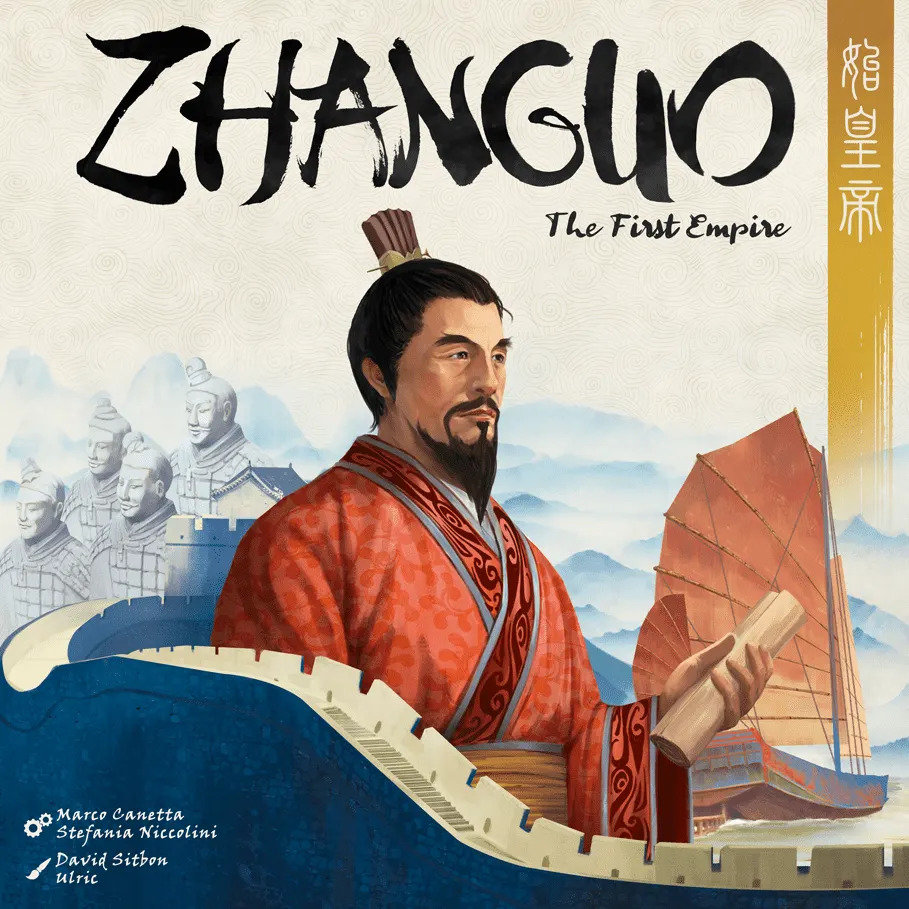
Between 230 and 221 B.C., the ambitious and extremely young king of Qin, Ying Zheng, unified China, adding all the other so-called Warring States (ZhanGuo) to his empire. Through this, Ying Zheng became the first emperor in Chinese history, taking the title of Qin Shi Huang Di. Plenty of things had to change in order to make the Chinese empire whole, and Qin Shi Huang Di didn't waste any time. He divided the empire into prefectures, personally appointing central and local functionaries; afterward, he decreed that the same writing symbols had to be used throughout the entire nation. Furthermore, he unified the laws and the units of measure, particularly the currency, creating amazing conditions for the economic development and growth of the empire. Internal decisions were not the only things that shaped this new unified nation. From the North, the menace of the Hsiungnu barbarians kept shaking the empire, and Qin Shi Huang Di knew that the only way to stop that menace was to build one of the most ambitious buildings in human history: The Great Wall of China. Thousands of peasants left their fields to take part in the construction, not only of the Great Wall, but also of roads, channels, palaces, and majestic buildings. In ZhanGuo, you are the emperor's emissaries, and you have been assigned the challenging task of contributing to the process of unifying the empire, helping to build the wall, and all infrastructures needed. During the five rounds of the game, you must make the best of the few cards you get each round. You can play each card either on your own player board to increase your personal power in the empire, or on the game board to recruit manpower, construct buildings wanted by the emperor, call reinforcements from Qin, and move the armies from kingdom to kingdom. Each player has to choose the best time and best way to play his cards in order to earn the emperor’s favors. Careful, though, because trying to get too much power, or exploiting the workers for personal gain could increase dissatisfaction among the populace, and consequently increase the risk of uprisings in the newly added kingdoms. Whoever is able to make the greatest contribution to the emperor's cause, while at the same time keeping the citizens placid, will be the winner.
ZhanGuo supports 2–4 players according to the catalogue. This range comes from the publisher’s listed player count, so the game can be set up for any group size within it. Some setups, rules and scoring details may still vary by player count, so check your edition’s rulebook for the exact configuration.
The listed playing time for ZhanGuo is 60–120 minutes. This is the publisher’s estimate for a full game. The actual duration depends on the group, the player count and familiarity with the rules: first sessions usually run longer, while experienced groups often finish faster. Setup and teaching time are not included in this estimate.
The catalogue lists ZhanGuo for ages 12 and up. This is the publisher’s recommendation and reflects reading demands, rule complexity and small components rather than theme alone. Younger players can often join with help from an adult, so check the age guidance on your edition and consider your group’s experience with board games.
ZhanGuo has a complexity rating of 3.8 out of 5 from BoardGameGeek players, which makes it a heavy game. The rating reflects how much rules knowledge, planning and decision-making a typical game demands. Expect a longer first teach for heavier games, and use a preparation guide before game night.
ZhanGuo belongs to these categories: Ancient. Its main mechanics are Hand Management and Area Majority / Influence. Categories describe the theme and setting of a game, while mechanics describe what players actually do on their turns. Each mechanic links to a catalogue hub with similar games, which helps when you want something comparable.
The credited designers of ZhanGuo are: Marco Canetta and Stefania Niccolini. These credits come from the published game data and name the people responsible for the game’s design, not its illustrators or publishers. Designer pages on MeepleRules collect other titles by the same designers, which helps when you enjoy a game and want to find similar ones.
The catalogue lists ZhanGuo as a base game. It can be played on its own with the components in the box and does not require any other title. Expansions, if any exist, add new content or rules on top of it and are listed separately in the catalogue with a link back to this base game.