
- Puesto en BGG
- BGG #185
- Puntuación BGG
- 7,8
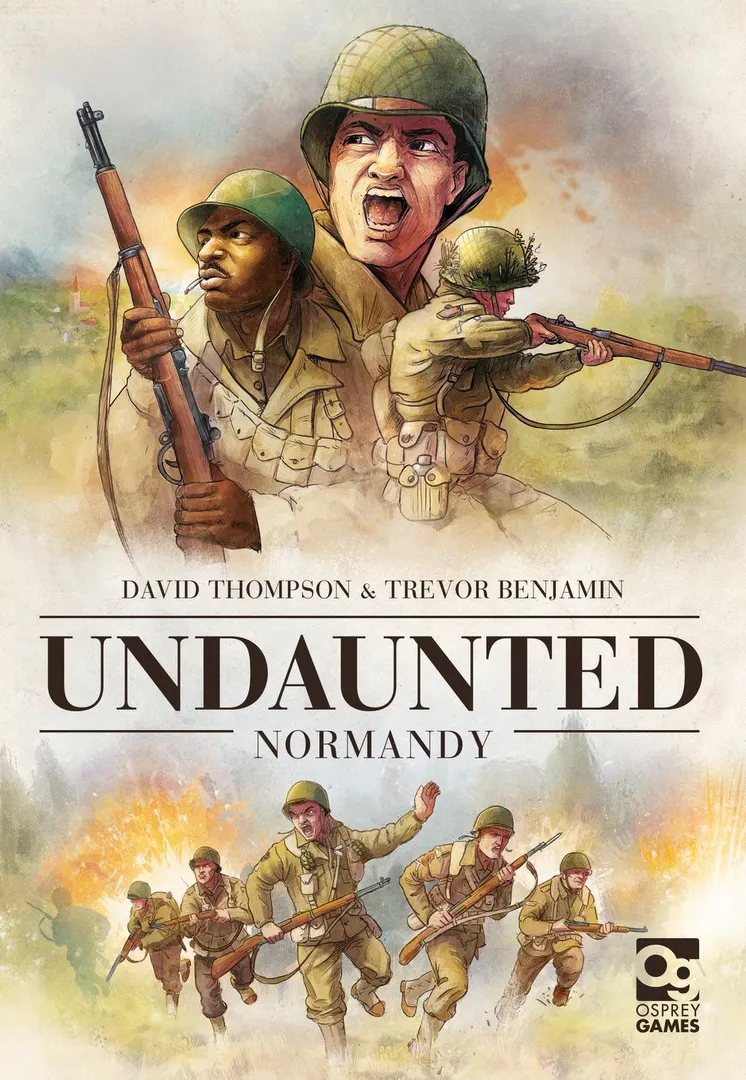
Undaunted: Normandy
- 2 jugadores
- 45–60 min
- Complejidad 2,3/5
- 2019
Ayuda con las reglas de ATS Warfighting Guide #2
Explicaciones claras de turnos, efectos de cartas y situaciones dudosas, con referencias a fuentes oficiales e historial de preguntas guardado.
¿Qué quieres saber?
Las respuestas salen del reglamento oficial, con la página para comprobarlo.
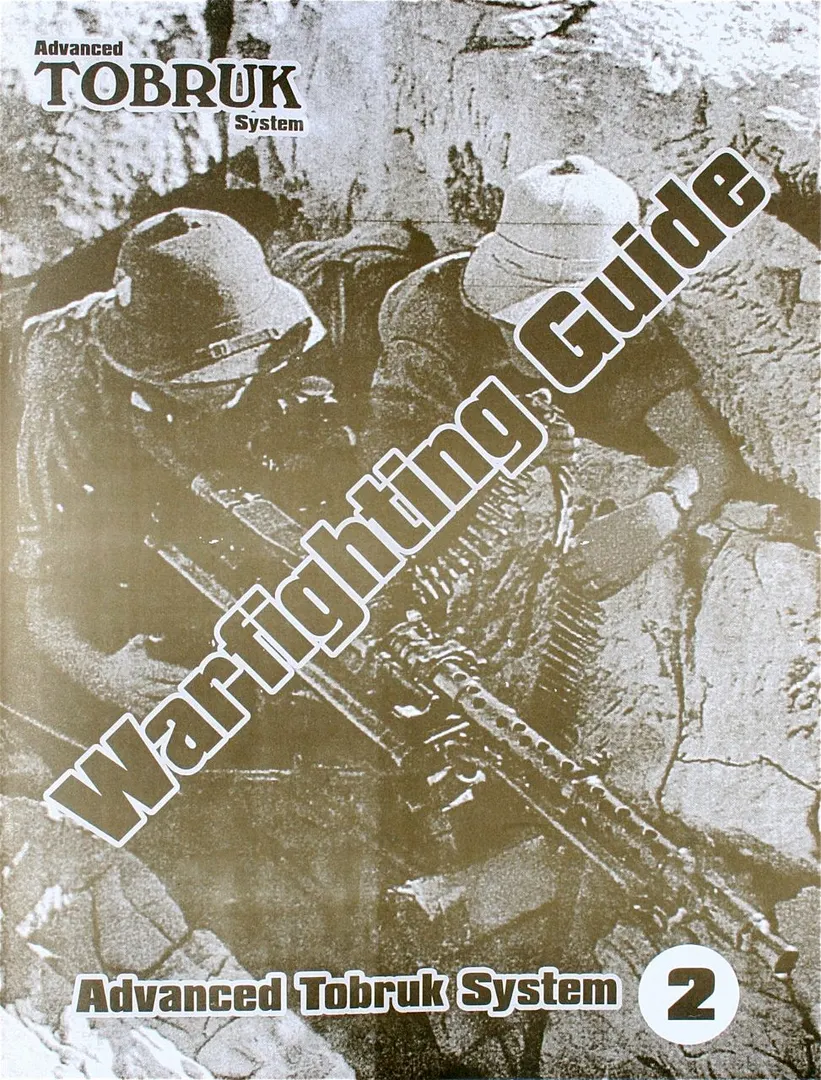
ATS Warfighting Guide #2 es una expansión de Advanced Tobruk: Tank Battles in North Africa 1940-43 publicada en 2008. Fue diseñado por Ray Tapio y George Anderson y sus mecánicas principales son Dice Rolling y Simulation.








En inglés
From the Publisher's website: ATS Warfighting Guide #2 contains 52 pages of ATS material aimed at making the ATSer a system expert. Included in the new issue is George Anderson's ATS Robot, a card-based system for playing ANY ATS scenario solo with a random generation of actions by the 'enemy'. The ATS Robot includes a set of over 50 cards (provided on cardstock for you to trim out) for use with George's solo rules. Also included in the issue are the first installment of Drew Dorman's 'ATS Set Ups', suggested set up data for all six D-Day Ranger scenarios. You can set up either side Drew's way, then use the ATS Robot to hammer it out. Alone. Just like you like it! What's more, Drew uses the D-Day Rangers NEW Edition scenarios, which also happen to be included in the issue as a FREE bonus! The FREE bonus approach continues...with a strip of funky new ATS leader counters bundled with EACH copy of ATS Warfighting Guide #2. So this is it. And this is NO DRILL. The expert ATSer needs his warfighting, and he (or she) needs it now.
ATS Warfighting Guide #2 pertenece a estas categorías: Wargame, World War II y Expansion for Base-game. Sus mecánicas principales son Dice Rolling y Simulation. Las categorías describen el tema y la ambientación de un juego, mientras que las mecánicas describen lo que los jugadores hacen realmente en su turno. Cada mecánica lleva a una página del catálogo con juegos similares.
Los autores acreditados de ATS Warfighting Guide #2 son: Ray Tapio y George Anderson. Estos créditos proceden de los datos publicados del juego y nombran a las personas responsables de su diseño, no a ilustradores ni editoriales. Las páginas de autor de MeepleRules reúnen otros títulos de los mismos autores, algo útil cuando un juego te gusta y buscas otros parecidos.
El catálogo clasifica ATS Warfighting Guide #2 como expansión de Advanced Tobruk: Tank Battles in North Africa 1940-43. Las expansiones añaden contenido, reglas o escenarios al juego base y normalmente no se pueden jugar solas, así que necesitas Advanced Tobruk: Tank Battles in North Africa 1940-43 para usarla. Comprueba que tu edición de Advanced Tobruk: Tank Battles in North Africa 1940-43 sea compatible, porque algunas expansiones se revisaron entre ediciones.