
- Puesto en BGG
- BGG #7142
- Puntuación BGG
- 8,4
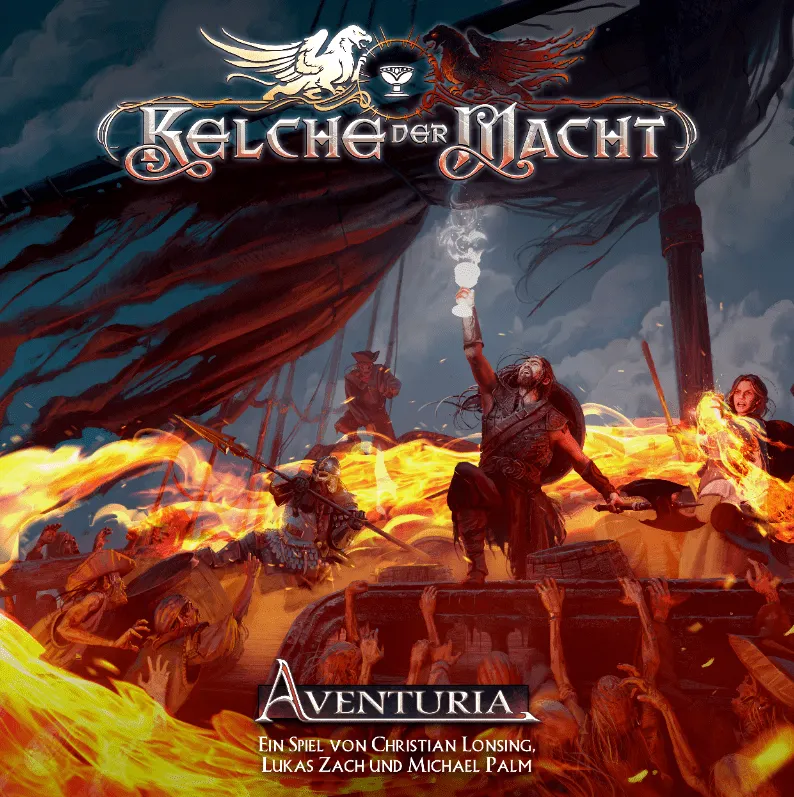
Aventuria: Chalices of Power
- 1–6 jugadores
- 45–180 min
- Complejidad 2,9/5
- 2025
Ayuda con las reglas de Aventuria: Ship of Stone
Explicaciones claras de turnos, efectos de cartas y situaciones dudosas, con referencias a fuentes oficiales e historial de preguntas guardado.
¿Qué quieres saber?
Las respuestas salen del reglamento oficial, con la página para comprobarlo.
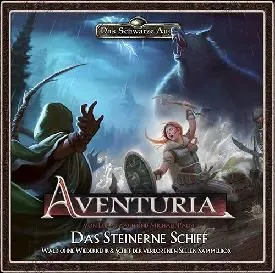
Aventuria: Ship of Stone es una expansión de Aventuria: Adventure Card Game publicada en 2019 para 1–6 jugadores. Fue diseñado por Michael Palm, Lukas Zach y Christian Lonsing y sus mecánicas principales son Hand Management, Dice Rolling y Role Playing.


En inglés
Forest without return & ship of lost souls collection box Travia 28 Hal. Fleeing from the armies of the Borbaradian, the heroes cross the Trollzzacken and finally land in the mysterious Shadow Forest. There they are to track down a missing troll and return it to its clan. In the middle of the forest, they encounter a fog-covered moated castle, behind which the silhouette of a large ship appears. Or is it the other way around? The heroes face an adventurous battle against the illusionary horrors of the magician Zargor Nagachot. An adventurous journey The Stone Ship is a collection box for Aventuria - The Adventure Card Game. It contains all adventures and related game materials from the two Aventuria expansion boxes "Forest without Return" and "Ship of Lost Souls". It also includes the brand new expert adventure "The Stone Ship", which picks up elements from the two expansion boxes. In addition, this box contains the Thorwal warrior Tjalva Garheltdottir and the Peraine consecrated Hilbert from Auen, as well as all the game materials needed to play these two heroes in both Duel and Adventure modes. —description from the publisher (translated)
Según el catálogo, Aventuria: Ship of Stone admite de 1 a 6 jugadores. Este intervalo corresponde al número de jugadores indicado por la editorial, así que el juego puede prepararse para cualquier grupo dentro de ese margen. La preparación, algunas reglas y la puntuación pueden variar según el número de jugadores; consulta la configuración exacta en el reglamento de tu edición.
Aventuria: Ship of Stone tiene una puntuación de complejidad de 2,5 sobre 5 según los jugadores de BoardGameGeek, lo que lo convierte en un juego algo ligero. La puntuación refleja cuánto conocimiento de reglas, planificación y toma de decisiones exige una partida típica. Los juegos exigentes requieren una explicación inicial más larga, así que conviene usar una guía de preparación.
Aventuria: Ship of Stone pertenece a estas categorías: Card Game, Fantasy y Fighting. Sus mecánicas principales son Hand Management, Dice Rolling y Role Playing. Las categorías describen el tema y la ambientación de un juego, mientras que las mecánicas describen lo que los jugadores hacen realmente en su turno. Cada mecánica lleva a una página del catálogo con juegos similares.
Los autores acreditados de Aventuria: Ship of Stone son: Michael Palm, Lukas Zach y Christian Lonsing. Estos créditos proceden de los datos publicados del juego y nombran a las personas responsables de su diseño, no a ilustradores ni editoriales. Las páginas de autor de MeepleRules reúnen otros títulos de los mismos autores, algo útil cuando un juego te gusta y buscas otros parecidos.
El catálogo clasifica Aventuria: Ship of Stone como expansión de Aventuria: Adventure Card Game. Las expansiones añaden contenido, reglas o escenarios al juego base y normalmente no se pueden jugar solas, así que necesitas Aventuria: Adventure Card Game para usarla. Comprueba que tu edición de Aventuria: Adventure Card Game sea compatible, porque algunas expansiones se revisaron entre ediciones.