
- Puesto en BGG
- BGG #860
- Puntuación BGG
- 7,0
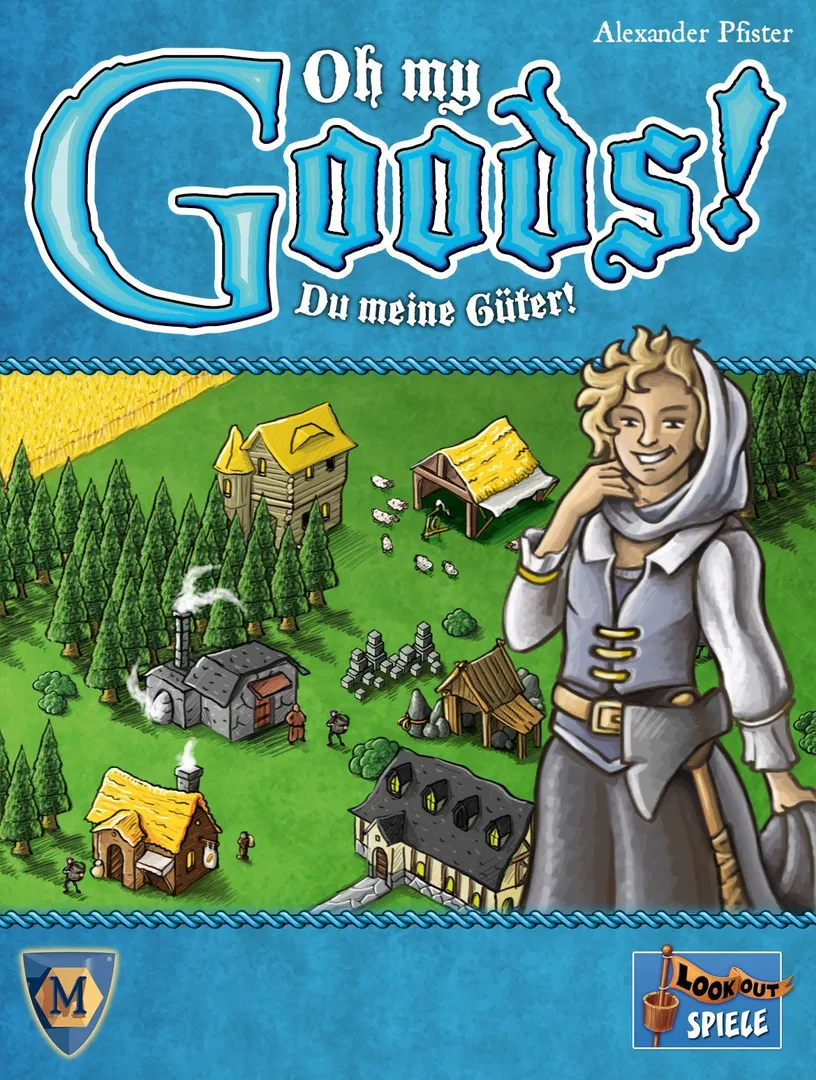
Oh My Goods!
- 2–4 jugadores
- 30 min
- Complejidad 2,3/5
- 2015
2020
Ayuda con las reglas de Belaad: The Land of Swords and Quills
Explicaciones claras de turnos, efectos de cartas y situaciones dudosas, con referencias a fuentes oficiales e historial de preguntas guardado.
Para 2 jugadores
¿Qué quieres saber?
Las respuestas salen del reglamento oficial, con la página para comprobarlo.
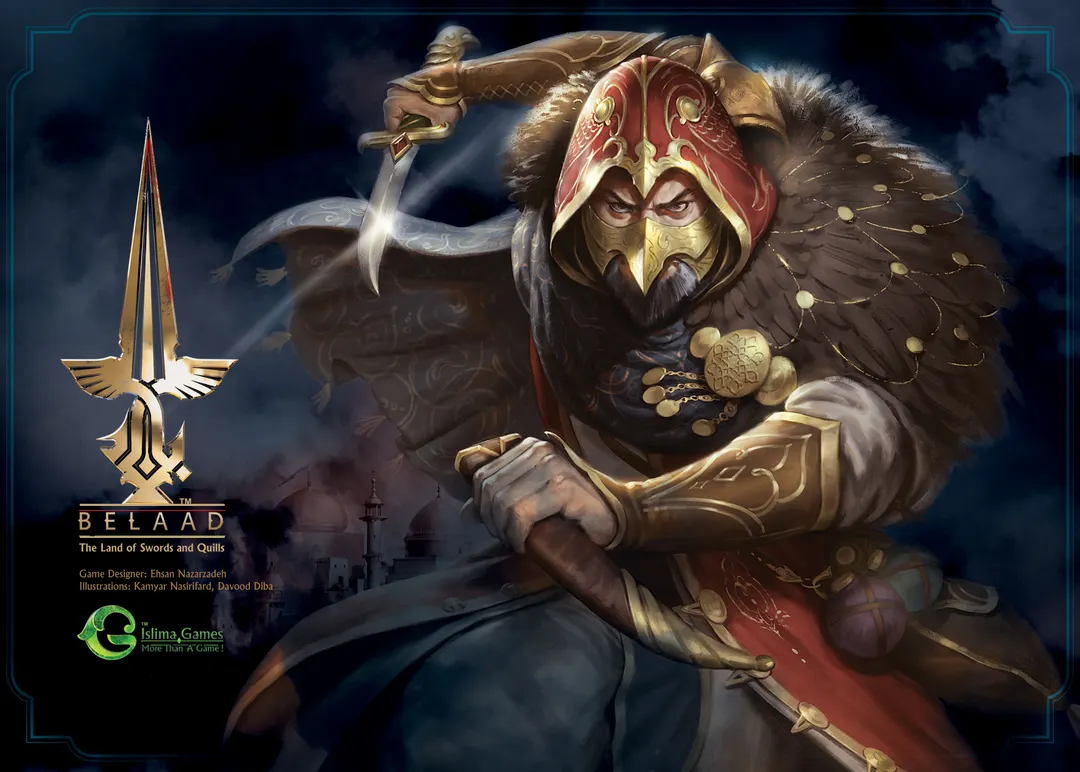
Belaad: The Land of Swords and Quills es un juego de mesa publicado en 2020 para 2–6 jugadores, con partidas de 30 a 60 minutos y a partir de 10 años. Fue diseñado por Ehsan Nazarzadeh y sus mecánicas principales son Variable Player Powers, Push Your Luck y End Game Bonuses.



En inglés
In the golden age of Islam, many Scholars arise and amaze all in the land with their inventions and discoveries. Meanwhile The Kingdom who has just discovered the power of knowledge, starts to intrigue these Scholars in order to strengthen the monarchy and profit more from ruling the land. But The People who notice the intentions of the Sultan and his subjects, confront The Kingdom and struggle to help these Scholars. In the midst of the dispute between The People and The Kingdom, a sect called The Hashashin (The Assassins) has risen. They believe that power is the root of all corruption and must be destroyed. Therefore, The Hashashin are lead to killing these Scholars. Belaad: The Land of Swords and Quills is an engine-building thematic card game for 2 to 6 players. Players are split up in three teams and over the course of the game, attempt to triumph over the other two. The Hashashin come in play if there are an odd number of players in which a single player controls the team. Every team consists of a unique set of characters with special abilities and is as follows; The Kingdom: Sultan, Vizier, Treasurer, Sheriff, Commander. The People: Bahlool, Preacher, The Trustworthy, Altruist, Folk Hero. The Hashashin: Sect Leader, Hashash, Spy, Assassin. The Kingdom and The People follow the same goal of hiring the most Scholars while The Hashashin mean to kill them. Every Scholar provides a number of scientific symbols for teams which count as victory points at the game's end. The game proceed by playing action cards. Each player has four cards in hand and plays a card by turn, using the action on the card, and after that draws another card from one of the three decks. Action cards help each player strengthen their team's characters, gain coins or steal coins from other teams, declare war and hire Scholars. Every character has a certain symbol, other than their special abilities, and can be strengthened by placing tokens on said character's mat. For example, the Treasurer provides more coins, the Commander becomes more powerful in war, the Sultan gains more influence in hiring Scholars and etc. Victory points are gained by two means; scientific points provided by Scholars, and military points gained from war. The game is played in 4 eras in which different Scholars emerge and at the end of the 4th era, the team with most victory points prevails. —description from the publisher
Según el catálogo, Belaad: The Land of Swords and Quills admite de 2 a 6 jugadores. Este intervalo corresponde al número de jugadores indicado por la editorial, así que el juego puede prepararse para cualquier grupo dentro de ese margen. La preparación, algunas reglas y la puntuación pueden variar según el número de jugadores; consulta la configuración exacta en el reglamento de tu edición.
La duración indicada para Belaad: The Land of Swords and Quills es de 30 a 60 minutos, la estimación de la editorial para una partida completa. El tiempo real depende del grupo, del número de jugadores y del conocimiento de las reglas: las primeras partidas suelen alargarse y los grupos con experiencia terminan antes. La preparación y la explicación de las reglas no están incluidas.
El catálogo indica Belaad: The Land of Swords and Quills a partir de 10 años. Es la recomendación de la editorial y refleja la lectura necesaria, la complejidad de las reglas y las piezas pequeñas, no solo el tema. Los más pequeños a menudo pueden jugar con ayuda de un adulto: comprueba la edad recomendada en tu edición y la experiencia de tu grupo.
Belaad: The Land of Swords and Quills tiene una puntuación de complejidad de 2,5 sobre 5 según los jugadores de BoardGameGeek, lo que lo convierte en un juego algo ligero. La puntuación refleja cuánto conocimiento de reglas, planificación y toma de decisiones exige una partida típica. Los juegos exigentes requieren una explicación inicial más larga, así que conviene usar una guía de preparación.
Belaad: The Land of Swords and Quills pertenece a estas categorías: Card Game y Medieval. Sus mecánicas principales son Variable Player Powers, Push Your Luck y End Game Bonuses. Las categorías describen el tema y la ambientación de un juego, mientras que las mecánicas describen lo que los jugadores hacen realmente en su turno. Cada mecánica lleva a una página del catálogo con juegos similares.
Los autores acreditados de Belaad: The Land of Swords and Quills son: Ehsan Nazarzadeh. Estos créditos proceden de los datos publicados del juego y nombran a las personas responsables de su diseño, no a ilustradores ni editoriales. Las páginas de autor de MeepleRules reúnen otros títulos de los mismos autores, algo útil cuando un juego te gusta y buscas otros parecidos.
El catálogo clasifica Belaad: The Land of Swords and Quills como juego base. Se juega por sí solo con los componentes de la caja y no requiere ningún otro título. Las expansiones, si existen, añaden contenido o reglas nuevas y aparecen por separado en el catálogo con un enlace a este juego base.