

- Puesto en BGG
- BGG #19.899
- Puntuación BGG
- 6,9
Denain 1712
- 2 jugadores
- 60 min
- Complejidad 2,5/5
- 1998

2019
Ayuda con las reglas de Blenheim 1704 AD
Explicaciones claras de turnos, efectos de cartas y situaciones dudosas, con referencias a fuentes oficiales e historial de preguntas guardado.
Para 2 jugadores
¿Qué quieres saber?
Las respuestas salen del reglamento oficial, con la página para comprobarlo.
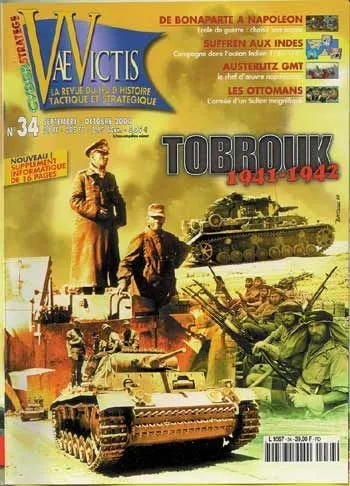
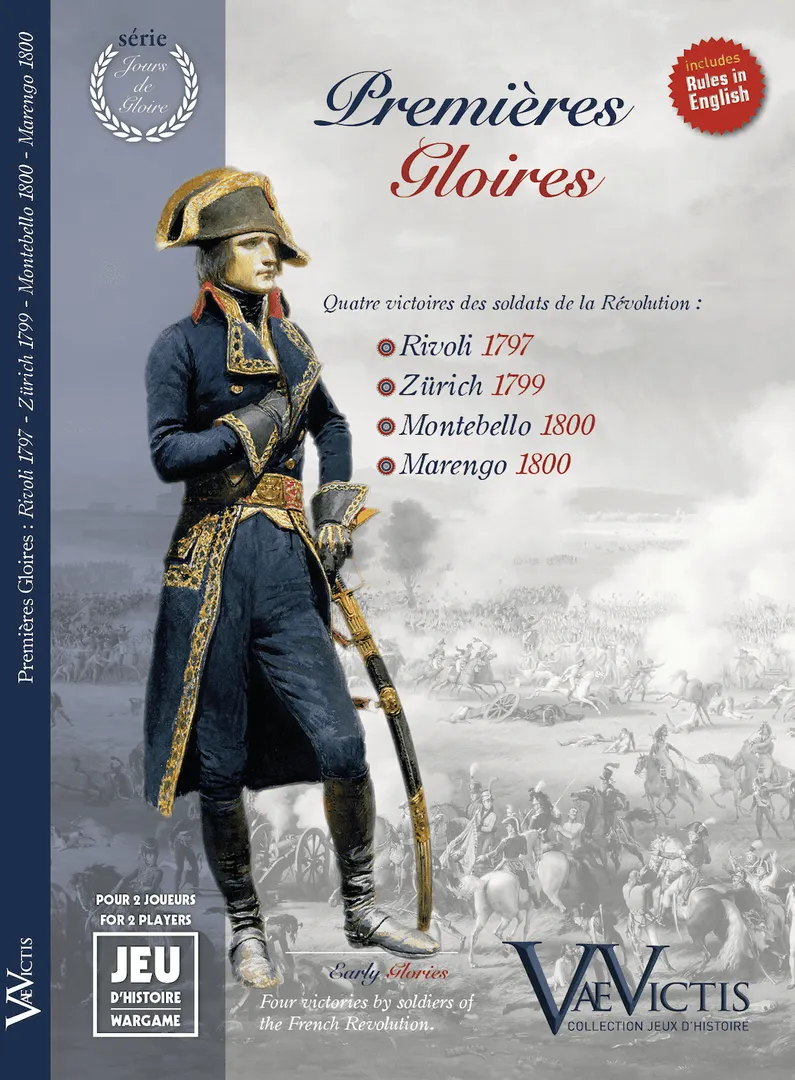
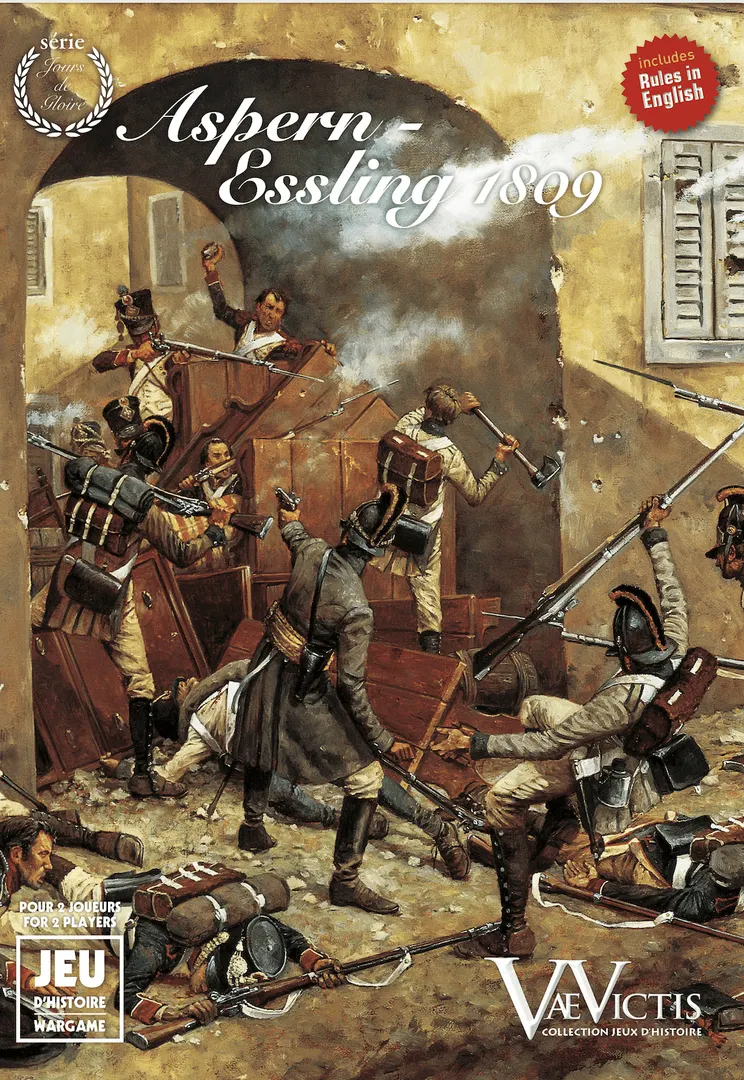
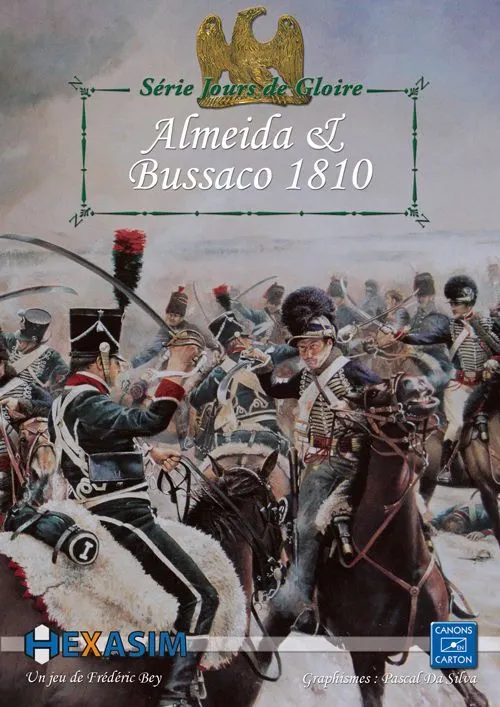
Blenheim 1704 AD es un juego de mesa publicado en 2019 para 2 jugadores. Fue diseñado por Frédéric Bey y sus mecánicas principales son Dice Rolling y Hexagon Grid.




En inglés
"Blenheim 1704 AD" is a tactical wargame from "Turning Point Simulations" which focuses on the battlefield area itself, with each side having two distinct commands and forces. Players will command the varied forces of each side, with British, Dutch, Austrians, Prussians, Danes, and various German allies on one side and French, Bavarians, and even Irish fighting for Louis. Each unit in the game represents one brigade with each combat strength point around 400 men or 200 horses. One hex on the map equals 400 meters. A turn represents around one hour of action and the game can last up to 7 turns. “But ‘twas a famous victory!” Many wars have been fought to tip or maintain that illusive “balance of power” between nations, while including other objectives. The War of Spanish Succession might be the poster child for “balance” efforts, as demonstrated by the British… who allied with the Hapsburgs to stop a union between France and Spain…then left the war when it looked like the Hapsburgs could win (since Britain also feared a union of Spain and Austria!). Over the course of a 12-year war, there was much coming and going (along with secret negotiations and betrayals). The war included battlefields as far apart as Quebec and the Papal States, from the Netherlands to Hungary, and to various spots all over the German states. Including a small village on the Danube named Blindheim… which the British would garble as “Blenheim.” Up to that point, things had been going well for the French and their armies looked to capture Vienna and take the Habsburgs out of the equation. Marlborough changed all that, but only after lying to his Dutch allies and virtually “stealing” the army he marched 250 miles away from the Low Countries he was expected to protect. After days of marching, countermarching, probes and parrying, the Allies attacked a foe of slightly larger size and in good positions, while the French were expecting them to retreat. Their cavalry was somewhat dispersed and too much of their infantry was in the towns of the area. And, up to that point, the French Army was considered “unbeatable.” The battle went back and forth, with each side having opportunities for success but seeing confusion and heavy losses confound good plans. Certainly Marlborough and Eugene worked together marvelously well, especially for allies, which may have been the key difference. Tallard and Marsin and the Bavarians had their chances but missed them, needing infantry where they had cavalry and cavalry where they had infantry. When the British attacked the “seam” between the two forces, Marsin’s regiments fell back and Tallard’s collapsed. French losses were heavy, and their army’s aura of invincibility was gone forever. Though the war would continue for over 10 more years, Blenheim rates as “decisive” because this cost Louis the chance to knock the Habsburgs out of the war early. Instead, it would be his Bavarian allies who would lose out and become vassals to Vienna. In the end, the war would end as countries spun into exhaustion and a number of rulers died from age or sickness, making separate treaties that were finally consolidated under the Treat of Utrecht. France would not dominate the continent and, the most visible effect to us today, Britain still possesses Gibraltar. —description from the publisher
Según el catálogo, Blenheim 1704 AD admite 2 jugadores. Es el número de jugadores indicado por la editorial, así que el juego está diseñado exactamente para esa cantidad de participantes. Las variantes para otros tamaños de grupo, si existen, se describen en el reglamento de tu edición; consúltalo antes de preparar otra configuración.
Blenheim 1704 AD tiene una puntuación de complejidad de 2,5 sobre 5 según los jugadores de BoardGameGeek, lo que lo convierte en un juego algo ligero. La puntuación refleja cuánto conocimiento de reglas, planificación y toma de decisiones exige una partida típica. Los juegos exigentes requieren una explicación inicial más larga, así que conviene usar una guía de preparación.
Blenheim 1704 AD pertenece a estas categorías: Wargame y Age of Reason. Sus mecánicas principales son Dice Rolling y Hexagon Grid. Las categorías describen el tema y la ambientación de un juego, mientras que las mecánicas describen lo que los jugadores hacen realmente en su turno. Cada mecánica lleva a una página del catálogo con juegos similares.
Los autores acreditados de Blenheim 1704 AD son: Frédéric Bey. Estos créditos proceden de los datos publicados del juego y nombran a las personas responsables de su diseño, no a ilustradores ni editoriales. Las páginas de autor de MeepleRules reúnen otros títulos de los mismos autores, algo útil cuando un juego te gusta y buscas otros parecidos.
El catálogo clasifica Blenheim 1704 AD como juego base. Se juega por sí solo con los componentes de la caja y no requiere ningún otro título. Las expansiones, si existen, añaden contenido o reglas nuevas y aparecen por separado en el catálogo con un enlace a este juego base.