
- Puntuación BGG
- 8,0
Blocks in the West: Card Deck
- 1–4 jugadores
- 120 min
- Complejidad 4,0/5
- 2013
2013
Ayuda con las reglas de Blocks in the West
Explicaciones claras de turnos, efectos de cartas y situaciones dudosas, con referencias a fuentes oficiales e historial de preguntas guardado.
Para 1 jugador
¿Qué quieres saber?
Las respuestas salen del reglamento oficial, con la página para comprobarlo.
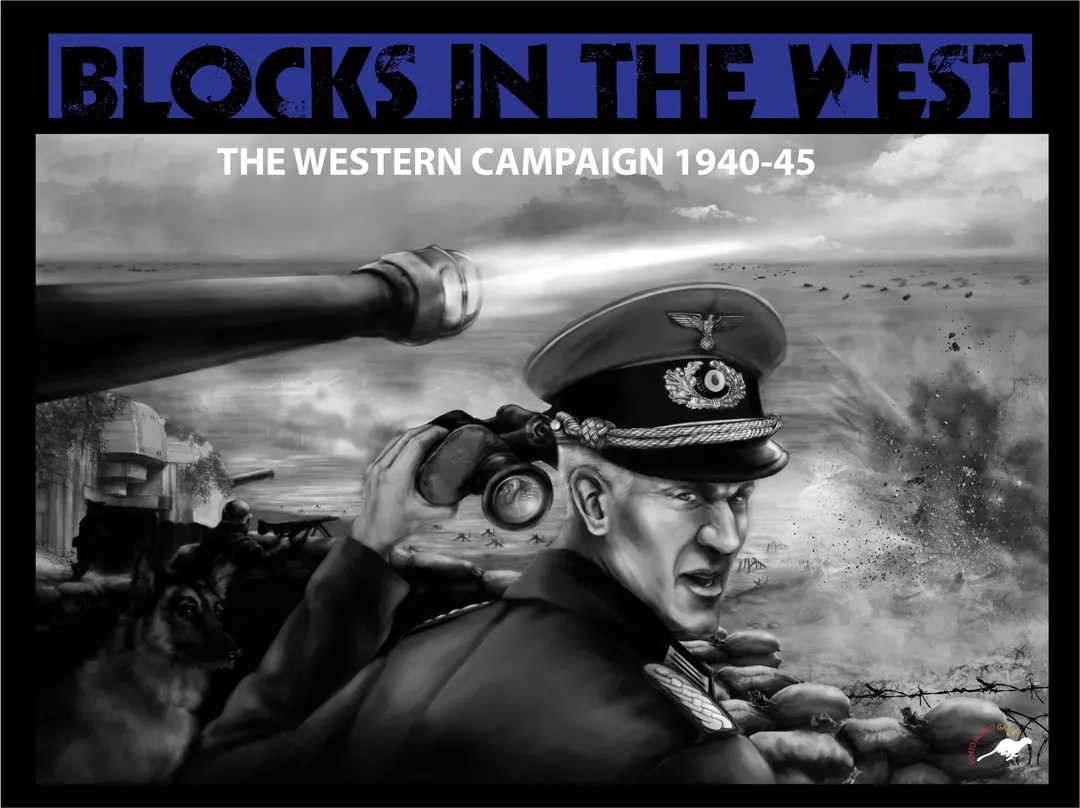
Blocks in the West es un juego de mesa publicado en 2013 para 1–4 jugadores, con partidas de 120 minutos y a partir de 14 años. Fue diseñado por Emanuele Santandrea y sus mecánicas principales son Dice Rolling, Hexagon Grid y Simulation.








En inglés
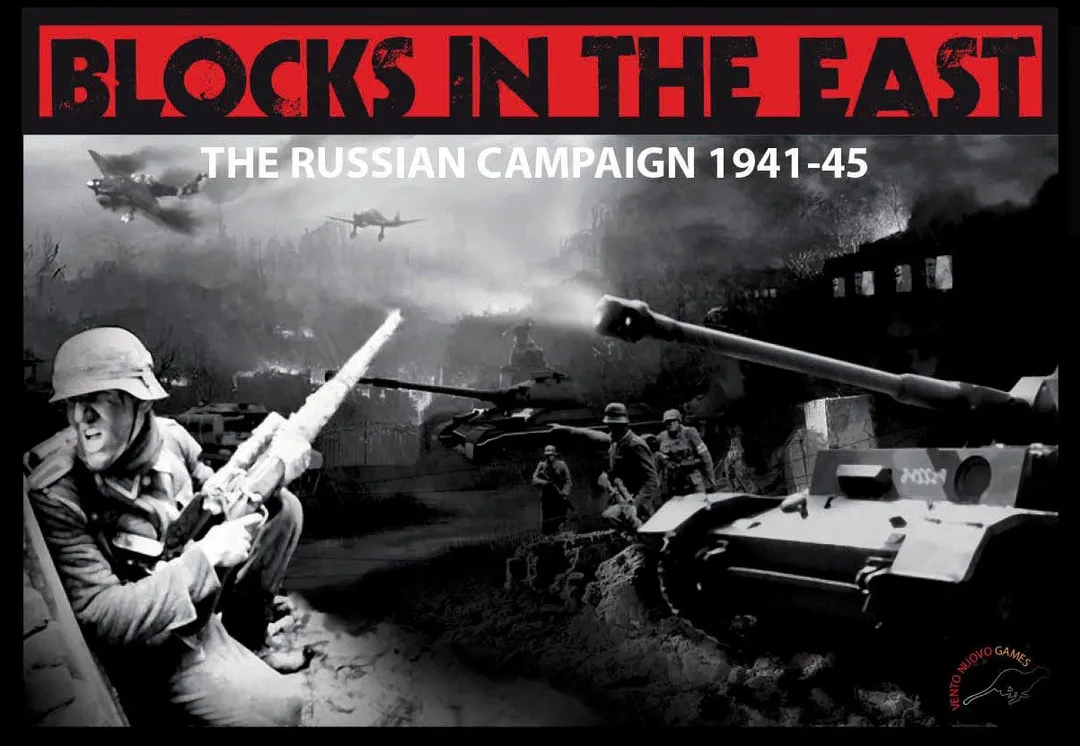
Early in the morning of May 10, 1940, under the Codeword Danzig, Fallschirmjäger from the 7th Flieger Division and 22nd Luftlande executed surprise landings at Den Haag, on the road to Rotterdam and against the Fortress of Eben Emael in order to facilitate German Army Group B's feint advance in Belgium, while the main attack was conducted by stronger Army Group A led by seven panzer divisions from the Ardennes, through a terrain believed uncrossable to armor units. France and the UK reacted immediately, activating the Dyle-Breda Plan, and thus committing their best forces directly into the trap. Then in June the evacuation of Dunkirk was a partial success, but the battle for France was over with an astonishing German victory. Four years elapsed before the Western Allies would come back to the continent and thus finally defeat Germany. Blocks in the West (BITW) recalls, in game form, the most decisive battles fought in the European Theater Front from the invasion of France until the collapse of the Nazi regimen in May 1945. BITW is a game of World War II conflict simulation at the operational level. Although based on historical events and battles, the players in command of the two factions can modify the evolution of World War II on the Western Front. The game is recommended for two, three or four players: one/two control the Western Allies and the other one/two control Germany and Italy. The game is imminently suitable for solitary play: the single player just controls both sides. In this case, playing with Fog of War is mandatory. Developed on a wooden blocks and cubes system over an astonishing 124x87cm full-laminated multicolor map board, Blocks in the West includes no paper components other than the manual. All of the over 900 wooden/plastic components/stickers have been created by the best Italian artisinal industry and painted A buratto, a technique usually adopted for painting car parts and accessories. In terms of scale, a hexagon is approximately 44 miles (70 km) across, a game turn is one month long, and a full-strength counter represents a major military formation (normally a corps) of ca. 30,000 men, 300 Tanks or 300 planes depending on the unit type, equipment, nationality, etc The rules are divided into three major sections which can be learned one at a time. The basic game rules introduce the basic concepts and enables players to start playing the game without too many rules to remember. Then the advanced game rules provide more specific and detailed rules for an enhanced realism, such as the use of fuel and the advanced production system. Finally, for those players who want to get the best out of the game, optional rules can be added as desired; these include Technology Research, Strategic warfare over German factories and U-Boot Campaign in the Atlantic Ocean, Amphibious Invasions, and Parachute Assaults. Blocks in the West can be played standalone or combined with Blocks in the East and Blocks in Afrika.
Según el catálogo, Blocks in the West admite de 1 a 4 jugadores. Este intervalo corresponde al número de jugadores indicado por la editorial, así que el juego puede prepararse para cualquier grupo dentro de ese margen. La preparación, algunas reglas y la puntuación pueden variar según el número de jugadores; consulta la configuración exacta en el reglamento de tu edición.
La duración indicada para Blocks in the West es de 120 minutos, la estimación de la editorial para una partida completa. El tiempo real depende del grupo, del número de jugadores y del conocimiento de las reglas: las primeras partidas suelen alargarse y los grupos con experiencia terminan antes. La preparación y la explicación de las reglas no están incluidas.
El catálogo indica Blocks in the West a partir de 14 años. Es la recomendación de la editorial y refleja la lectura necesaria, la complejidad de las reglas y las piezas pequeñas, no solo el tema. Los más pequeños a menudo pueden jugar con ayuda de un adulto: comprueba la edad recomendada en tu edición y la experiencia de tu grupo.
Blocks in the West tiene una puntuación de complejidad de 3,7 sobre 5 según los jugadores de BoardGameGeek, lo que lo convierte en un juego de complejidad media. La puntuación refleja cuánto conocimiento de reglas, planificación y toma de decisiones exige una partida típica. Los juegos exigentes requieren una explicación inicial más larga, así que conviene usar una guía de preparación.
Blocks in the West pertenece a estas categorías: Wargame y World War II. Sus mecánicas principales son Dice Rolling, Hexagon Grid y Simulation. Las categorías describen el tema y la ambientación de un juego, mientras que las mecánicas describen lo que los jugadores hacen realmente en su turno. Cada mecánica lleva a una página del catálogo con juegos similares.
Los autores acreditados de Blocks in the West son: Emanuele Santandrea. Estos créditos proceden de los datos publicados del juego y nombran a las personas responsables de su diseño, no a ilustradores ni editoriales. Las páginas de autor de MeepleRules reúnen otros títulos de los mismos autores, algo útil cuando un juego te gusta y buscas otros parecidos.
El catálogo clasifica Blocks in the West como juego base. Se juega por sí solo con los componentes de la caja y no requiere ningún otro título. Las expansiones, si existen, añaden contenido o reglas nuevas y aparecen por separado en el catálogo con un enlace a este juego base.