

- Puesto en BGG
- BGG #7124
- Puntuación BGG
- 6,6
Lost Worlds
- 2 jugadores
- 10 min
- Complejidad 1,7/5
- 1983
1982
Ayuda con las reglas de Bounty Hunter: Shootout at the Saloon
Explicaciones claras de turnos, efectos de cartas y situaciones dudosas, con referencias a fuentes oficiales e historial de preguntas guardado.
Para 2 jugadores
¿Qué quieres saber?
Las respuestas salen del reglamento oficial, con la página para comprobarlo.
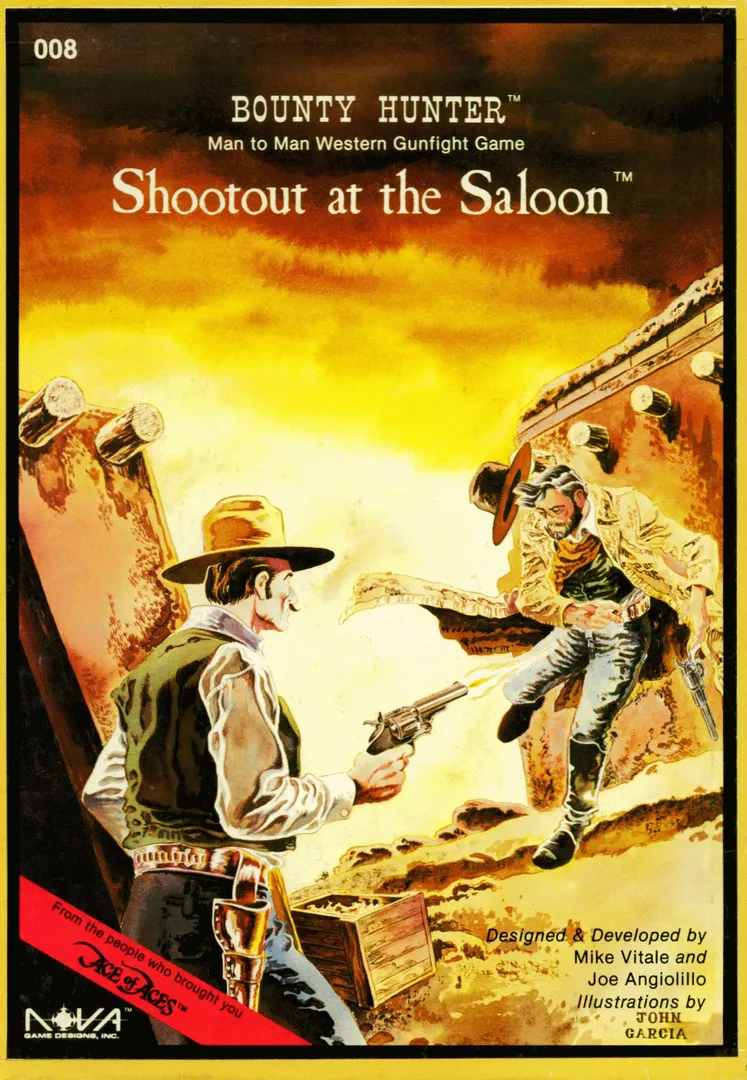
Bounty Hunter: Shootout at the Saloon es un juego de mesa publicado en 1982 para 2 jugadores, con partidas de 10 minutos y a partir de 12 años. Fue diseñado por Joe Angiolillo, Alfred Leonardi y Mike Vitale y sus mecánicas principales son Simultaneous Action Selection y Rock-Paper-Scissors.


En inglés
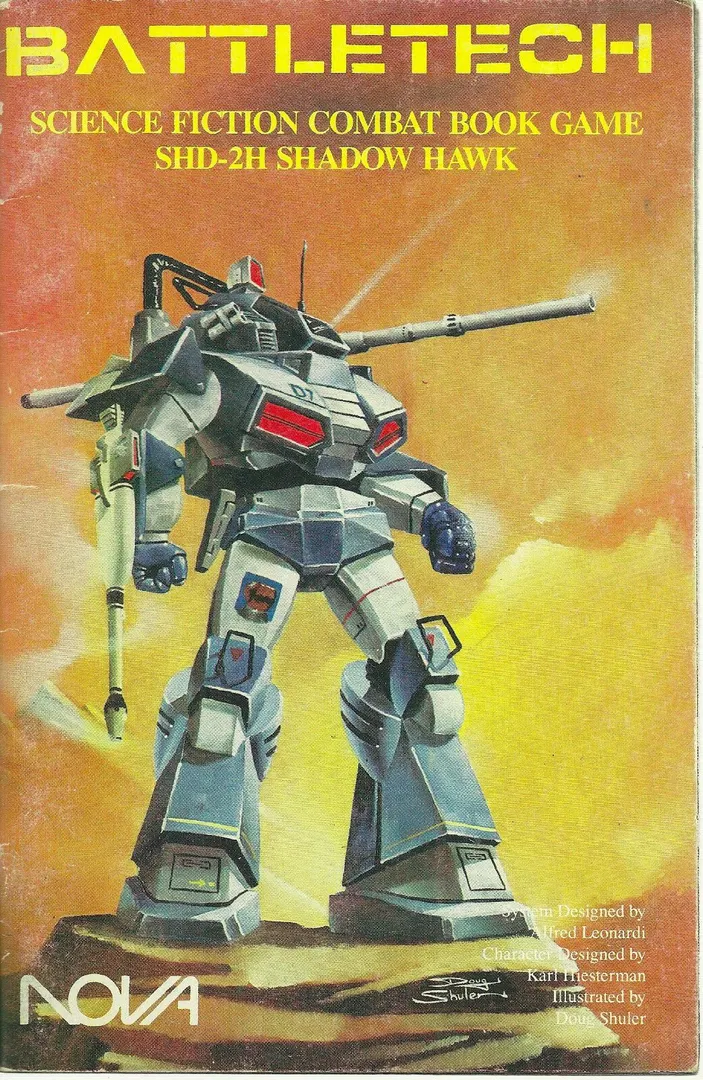
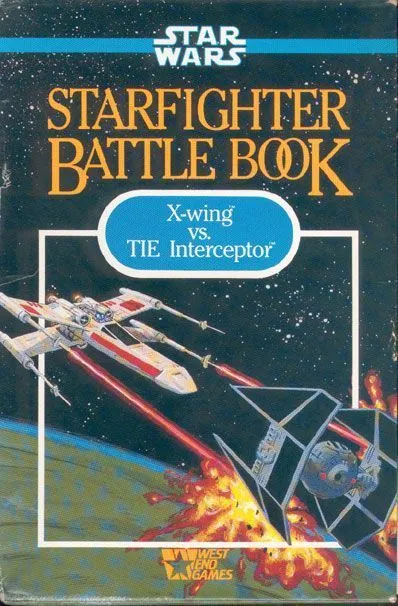
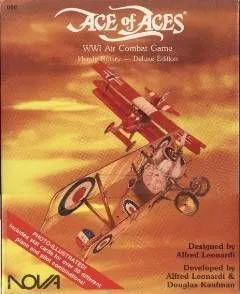
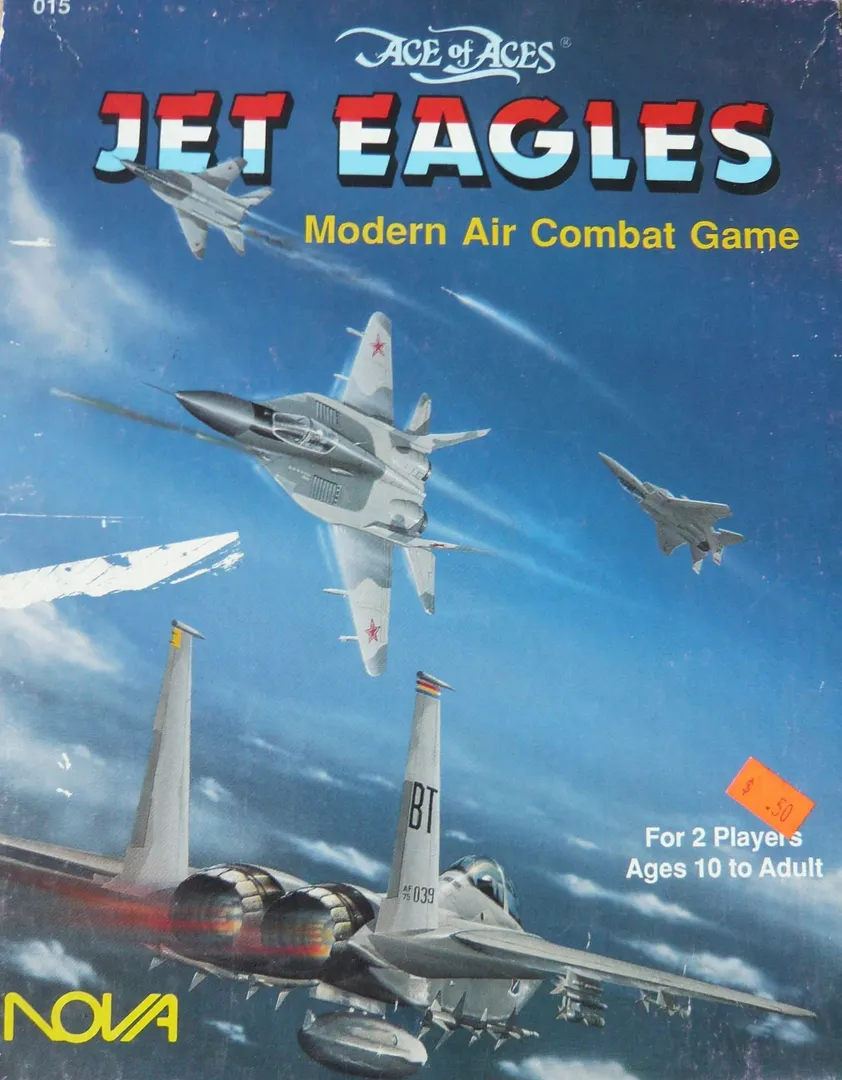
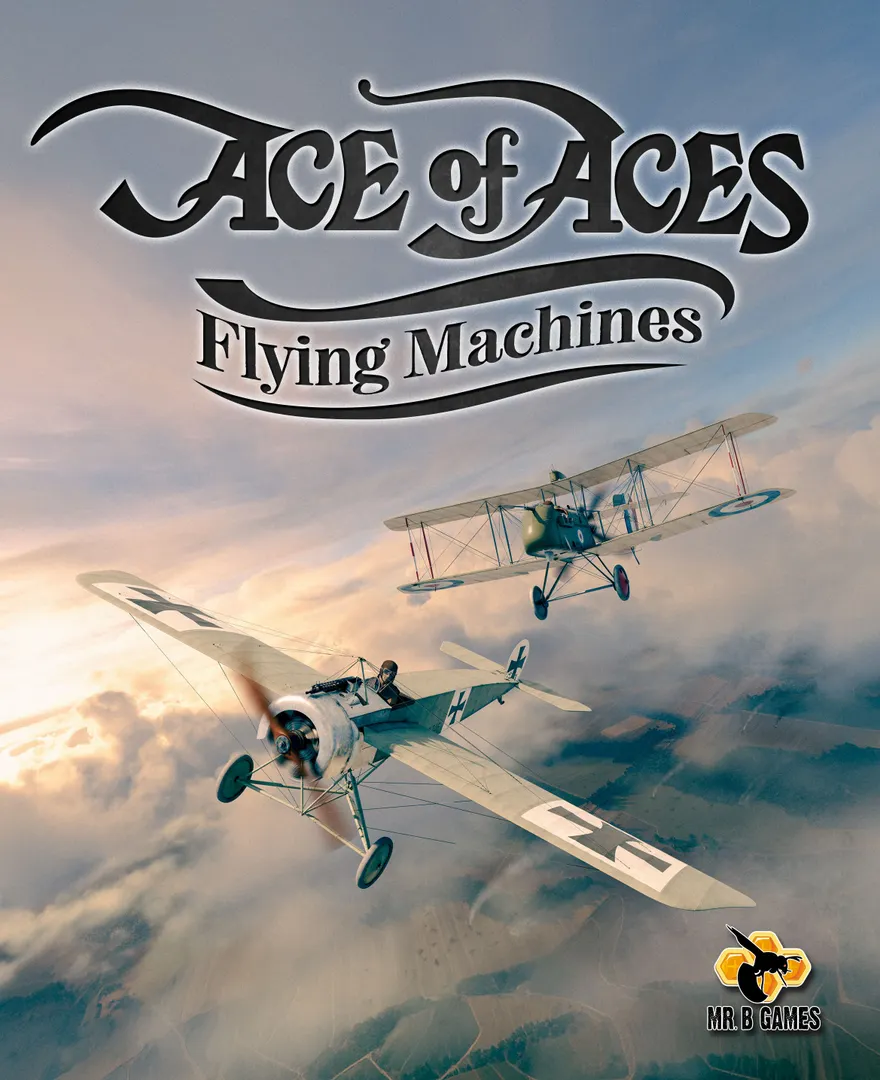
From The Box: Bounty Hunter is an exciting, fast-paced, realistic re-creation of gunfights and robberies in the WILD WEST. Using the revolutionary stop-action picture book system of the award-winning Ace of Aces, Bounty Hunter contains two books, each with 290 views in and around the saloon of an old-time Wild West town. With up to 18 possible moves each turn, you move your character to intercept your opponents and build skill and reputation for use in future games of Bounty Hunter. Keep track of your character as he gains money, becomes more famous and more skilled in his weapons. You will develop characters with stories to rival those of Jesse James, Wyatt Earp and Bat Masterson. Components: 2 Stop-Action picture books; 1 lawman and 1 outlaw Character Sheets Reference Tables (shot sequence, skill points, reputation, etc.) Aiming Silhouettes (several pages at different ranges, different positions) Book mechanic also featured in: Ace of Aces: Handy Rotary Series Dragonriders of Pern: The Book Game Star Wars: Starfighter Battle Book
Según el catálogo, Bounty Hunter: Shootout at the Saloon admite 2 jugadores. Es el número de jugadores indicado por la editorial, así que el juego está diseñado exactamente para esa cantidad de participantes. Las variantes para otros tamaños de grupo, si existen, se describen en el reglamento de tu edición; consúltalo antes de preparar otra configuración.
La duración indicada para Bounty Hunter: Shootout at the Saloon es de 10 minutos, la estimación de la editorial para una partida completa. El tiempo real depende del grupo, del número de jugadores y del conocimiento de las reglas: las primeras partidas suelen alargarse y los grupos con experiencia terminan antes. La preparación y la explicación de las reglas no están incluidas.
El catálogo indica Bounty Hunter: Shootout at the Saloon a partir de 12 años. Es la recomendación de la editorial y refleja la lectura necesaria, la complejidad de las reglas y las piezas pequeñas, no solo el tema. Los más pequeños a menudo pueden jugar con ayuda de un adulto: comprueba la edad recomendada en tu edición y la experiencia de tu grupo.
Bounty Hunter: Shootout at the Saloon tiene una puntuación de complejidad de 1,9 sobre 5 según los jugadores de BoardGameGeek, lo que lo convierte en un juego ligero. La puntuación refleja cuánto conocimiento de reglas, planificación y toma de decisiones exige una partida típica. Los juegos exigentes requieren una explicación inicial más larga, así que conviene usar una guía de preparación.
Bounty Hunter: Shootout at the Saloon pertenece a estas categorías: Fighting, American West y Book. Sus mecánicas principales son Simultaneous Action Selection y Rock-Paper-Scissors. Las categorías describen el tema y la ambientación de un juego, mientras que las mecánicas describen lo que los jugadores hacen realmente en su turno. Cada mecánica lleva a una página del catálogo con juegos similares.
Los autores acreditados de Bounty Hunter: Shootout at the Saloon son: Joe Angiolillo, Alfred Leonardi y Mike Vitale. Estos créditos proceden de los datos publicados del juego y nombran a las personas responsables de su diseño, no a ilustradores ni editoriales. Las páginas de autor de MeepleRules reúnen otros títulos de los mismos autores, algo útil cuando un juego te gusta y buscas otros parecidos.
El catálogo clasifica Bounty Hunter: Shootout at the Saloon como juego base. Se juega por sí solo con los componentes de la caja y no requiere ningún otro título. Las expansiones, si existen, añaden contenido o reglas nuevas y aparecen por separado en el catálogo con un enlace a este juego base.