
- Puntuación BGG
- 7,2
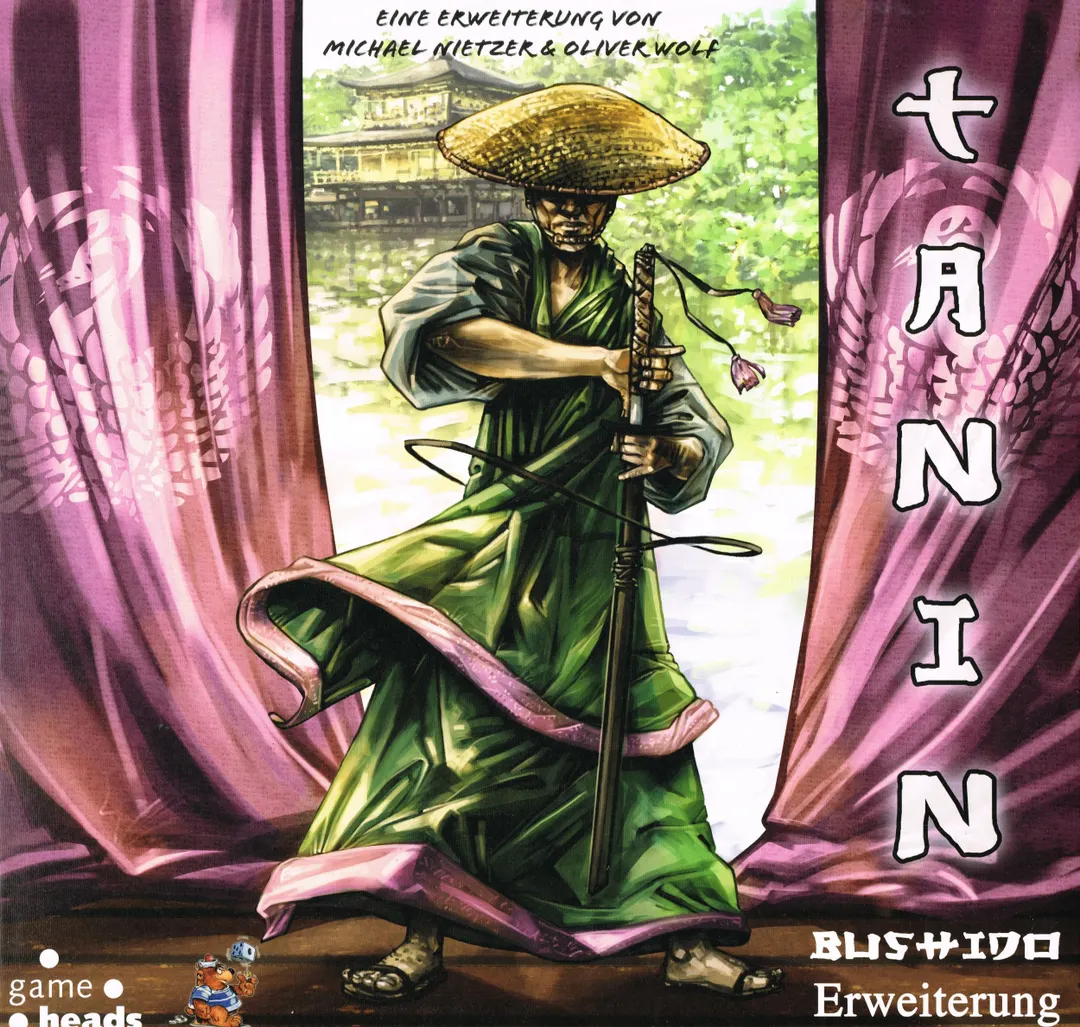
Bushido: Tanin the Stranger
- 3–6 jugadores
- 120 min
- Complejidad 3,4/5
- 2009
2008
Ayuda con las reglas de Bushido: Der Weg des Kriegers
Explicaciones claras de turnos, efectos de cartas y situaciones dudosas, con referencias a fuentes oficiales e historial de preguntas guardado.
Para 3 jugadores
¿Qué quieres saber?
Las respuestas salen del reglamento oficial, con la página para comprobarlo.
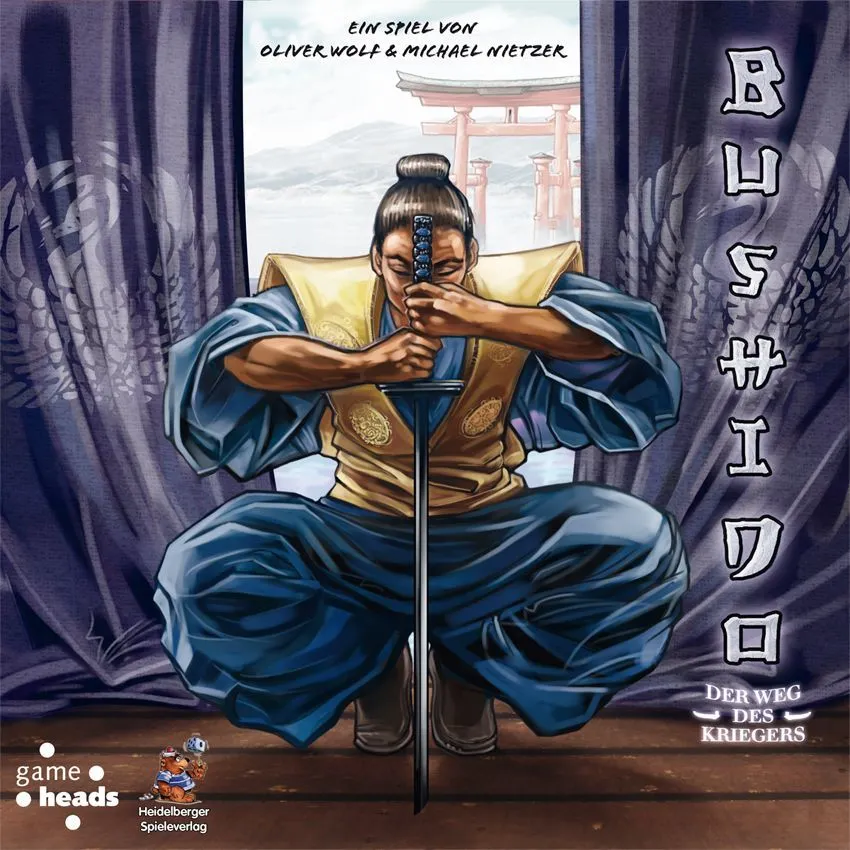
Bushido: Der Weg des Kriegers es un juego de mesa publicado en 2008 para 3–5 jugadores, con partidas de 90 minutos y a partir de 12 años. Fue diseñado por Michael Nietzer y Oliver Wolf y sus mecánicas principales son Variable Player Powers, Hand Management y Simultaneous Action Selection.
En inglés
In Bushido: Der Weg des Kriegers (the subtitle means "Way of the Warrior") players take on the roles of Daimyo, feudal lords in medieval Japan, and compete to become the next shogun of the empire, who gets appointed by the emperor. And this truly has to be an honorable man. Basically this game is all about resource management and conflict, but unlike other games in this category you won't necessarily win, if you conquer the most areas. Your main goal is to earn enough honor, which can be achieved in different ways. There are two kinds of honor. 'Daimyo-Honor' is the victory condition and can be directly gained by holding provinces, and indirectly by transforming 'Samurai-Honor' at a set rate. 'Samurai-Honor' is gained by winning a defensive or offensive battle. It can be transformed into 'Daimyo-Honor' with a tea ceremony. The first Daimyo who earns 50 points of honor wins the game. If this goal is not reached within 12 turns, the Daimyo with the most honor at that point wins the game. What needs special mentioning is the turn mechanism of the game, which is really cleverly-devised: depending on the number of players, different 'offices' are in the game that get assigned to the players. In a 4-player game these offices are: Daimyo: The active player. For clarification: in game terms, every player is a Daimyo, but only the active player acts as Daimyo. The Daimyo, as active player can restock his resources, attack a province and play special tiles. Most importantly, he assigns the other offices to his opponents. Samurai: The general. He will lead the attack in the Daimyo's name. He can earn 'Samurai-honor' with a successful attack. Bushi: the poor guy who is attacked by the Daimyo. He can earn 'Samurai-honor' with a successful defense. Sensei: He gives council to the Daimyo. Tricky position, because his council can do the Daimyo harm or good. He can cancel an attack, spy on other players, use Ronin to destabilize a province, and suggest to the Daimyo how hard to punish his Samurai when he loses a battle. The battles are resolved by a system that depends on the number of troops and a rock-paper-scissors element. The opponents have the possibility to improve their odds by investing some of their resources. The tricky part of the game is that most of your actions depend at least partly on the goodwill of one of your opponents. For instance the Daimyo depends on the Samurai to win, but the Samurai will only do this, if he sees enough gain for himself. This makes the game very interactive, with much discussion and haggling at the table.
Según el catálogo, Bushido: Der Weg des Kriegers admite de 3 a 5 jugadores. Este intervalo corresponde al número de jugadores indicado por la editorial, así que el juego puede prepararse para cualquier grupo dentro de ese margen. La preparación, algunas reglas y la puntuación pueden variar según el número de jugadores; consulta la configuración exacta en el reglamento de tu edición.
La duración indicada para Bushido: Der Weg des Kriegers es de 90 minutos, la estimación de la editorial para una partida completa. El tiempo real depende del grupo, del número de jugadores y del conocimiento de las reglas: las primeras partidas suelen alargarse y los grupos con experiencia terminan antes. La preparación y la explicación de las reglas no están incluidas.
El catálogo indica Bushido: Der Weg des Kriegers a partir de 12 años. Es la recomendación de la editorial y refleja la lectura necesaria, la complejidad de las reglas y las piezas pequeñas, no solo el tema. Los más pequeños a menudo pueden jugar con ayuda de un adulto: comprueba la edad recomendada en tu edición y la experiencia de tu grupo.
Bushido: Der Weg des Kriegers tiene una puntuación de complejidad de 3,6 sobre 5 según los jugadores de BoardGameGeek, lo que lo convierte en un juego de complejidad media. La puntuación refleja cuánto conocimiento de reglas, planificación y toma de decisiones exige una partida típica. Los juegos exigentes requieren una explicación inicial más larga, así que conviene usar una guía de preparación.
Bushido: Der Weg des Kriegers pertenece a estas categorías: Fighting, Bluffing y Medieval. Sus mecánicas principales son Variable Player Powers, Hand Management y Simultaneous Action Selection. Las categorías describen el tema y la ambientación de un juego, mientras que las mecánicas describen lo que los jugadores hacen realmente en su turno. Cada mecánica lleva a una página del catálogo con juegos similares.
Los autores acreditados de Bushido: Der Weg des Kriegers son: Michael Nietzer y Oliver Wolf. Estos créditos proceden de los datos publicados del juego y nombran a las personas responsables de su diseño, no a ilustradores ni editoriales. Las páginas de autor de MeepleRules reúnen otros títulos de los mismos autores, algo útil cuando un juego te gusta y buscas otros parecidos.
El catálogo clasifica Bushido: Der Weg des Kriegers como juego base. Se juega por sí solo con los componentes de la caja y no requiere ningún otro título. Las expansiones, si existen, añaden contenido o reglas nuevas y aparecen por separado en el catálogo con un enlace a este juego base.