- Puesto en BGG
- BGG #4878
- Puntuación BGG
- 6,3
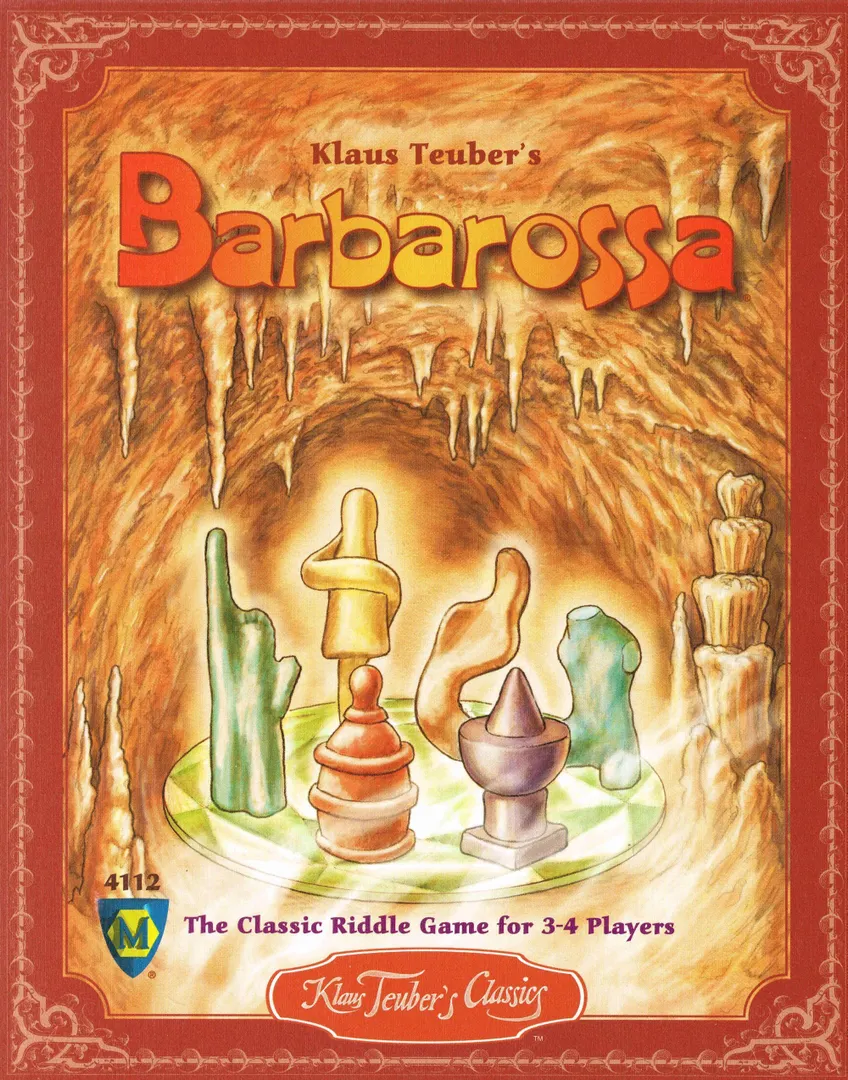
Barbarossa
- 3–4 jugadores
- 60 min
- Complejidad 1,5/5
- 1988
1994
Ayuda con las reglas de Celebrity Head
Explicaciones claras de turnos, efectos de cartas y situaciones dudosas, con referencias a fuentes oficiales e historial de preguntas guardado.
¿Qué quieres saber?
Las respuestas salen del reglamento oficial, con la página para comprobarlo.
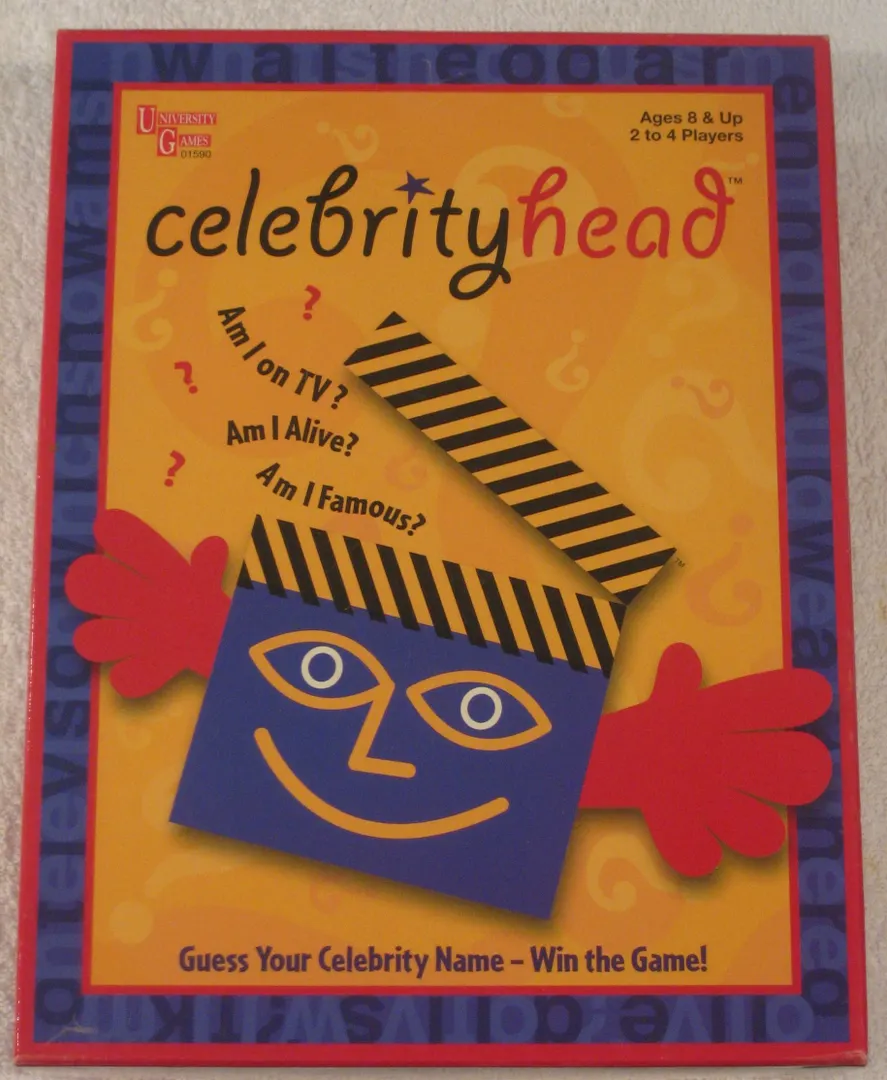
Celebrity Head es un juego de mesa publicado en 1994 para 2–4 jugadores, con partidas de 30 minutos y a partir de 8 años. Sus mecánicas principales son Roll / Spin and Move.





En inglés
Very closely related to What's That on My Head?, and Hedbanz for Adults!. The object is to guess your celebrity name first and win the game. Your celebrity name is in a card in a headband that is placed on your head. The play - first, you wear a headband that has a randomly selected celebrity name card inserted into the slot. The oldest player then spins the spinner and moves his meeple to the appropriate position on the board. If you land on the "ask a question" space, you get to ask the other players a yes/no question about the celebrity name on your head. If you get it right, you get to spin again. If not, the play moves clockwise. There is a space for asking two questions, losing a turn or receiving a "big hint". The player reads the "big hint" question on the card and the group is allowed to respond beyond yes/no. The player then ends his turn. If you guess your celebrity name wrong, you still get to keep on playing, you place a new, random celebrity name into your headband. There are also blank cards so you can write in other people's names who may only be celebrities in your world.
Según el catálogo, Celebrity Head admite de 2 a 4 jugadores. Este intervalo corresponde al número de jugadores indicado por la editorial, así que el juego puede prepararse para cualquier grupo dentro de ese margen. La preparación, algunas reglas y la puntuación pueden variar según el número de jugadores; consulta la configuración exacta en el reglamento de tu edición.
La duración indicada para Celebrity Head es de 30 minutos, la estimación de la editorial para una partida completa. El tiempo real depende del grupo, del número de jugadores y del conocimiento de las reglas: las primeras partidas suelen alargarse y los grupos con experiencia terminan antes. La preparación y la explicación de las reglas no están incluidas.
El catálogo indica Celebrity Head a partir de 8 años. Es la recomendación de la editorial y refleja la lectura necesaria, la complejidad de las reglas y las piezas pequeñas, no solo el tema. Los más pequeños a menudo pueden jugar con ayuda de un adulto: comprueba la edad recomendada en tu edición y la experiencia de tu grupo.
Celebrity Head tiene una puntuación de complejidad de 1,7 sobre 5 según los jugadores de BoardGameGeek, lo que lo convierte en un juego ligero. La puntuación refleja cuánto conocimiento de reglas, planificación y toma de decisiones exige una partida típica. Los juegos exigentes requieren una explicación inicial más larga, así que conviene usar una guía de preparación.
Celebrity Head pertenece a estas categorías: Party Game y Deduction. Sus mecánicas principales son Roll / Spin and Move. Las categorías describen el tema y la ambientación de un juego, mientras que las mecánicas describen lo que los jugadores hacen realmente en su turno. Cada mecánica lleva a una página del catálogo con juegos similares.
El catálogo clasifica Celebrity Head como juego base. Se juega por sí solo con los componentes de la caja y no requiere ningún otro título. Las expansiones, si existen, añaden contenido o reglas nuevas y aparecen por separado en el catálogo con un enlace a este juego base.
