
- Puntuación BGG
- 7,6
Circle the Wagons: Lone Cowboy (for Second Shot)
- 1 jugador
- 15 min
- 2025
2025
Ayuda con las reglas de Circle the Wagons: Second Shot
Explicaciones claras de turnos, efectos de cartas y situaciones dudosas, con referencias a fuentes oficiales e historial de preguntas guardado.
Para 2 jugadores
¿Qué quieres saber?
Las respuestas salen del reglamento oficial, con la página para comprobarlo.
Circle the Wagons: Second Shot es un juego de mesa publicado en 2025 para 2 jugadores, con partidas de 15 minutos y a partir de 8 años. Fue diseñado por Danny Devine, Steven Aramini y Paul Kluka y sus mecánicas principales son Set Collection, Layering y Open Drafting.
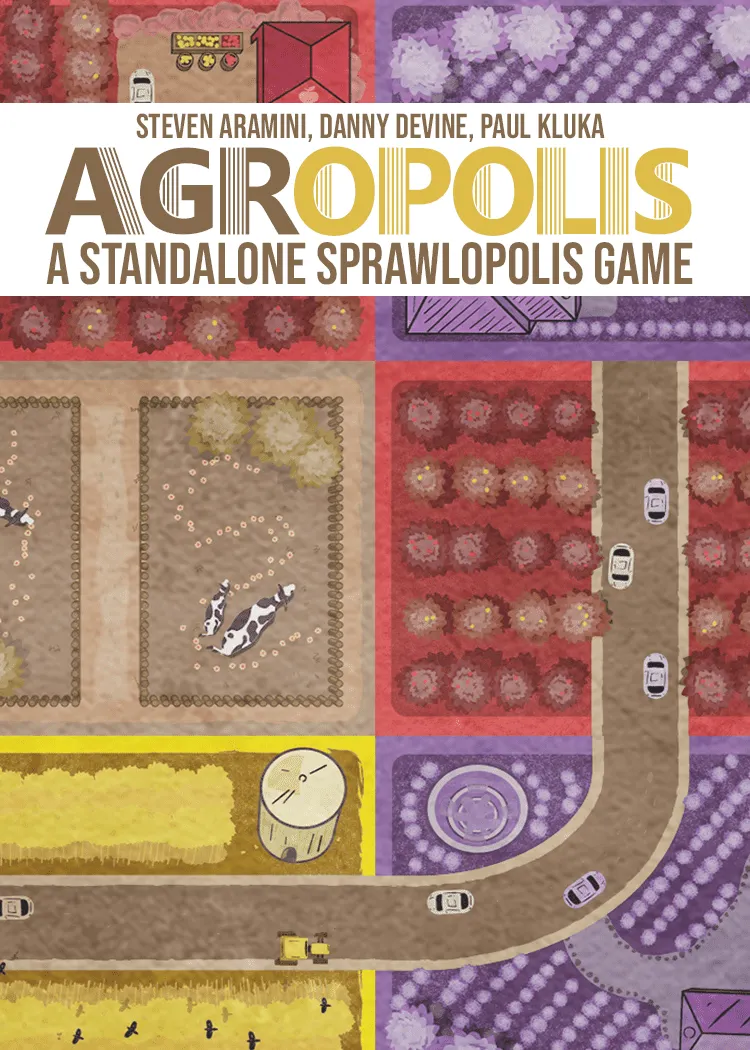
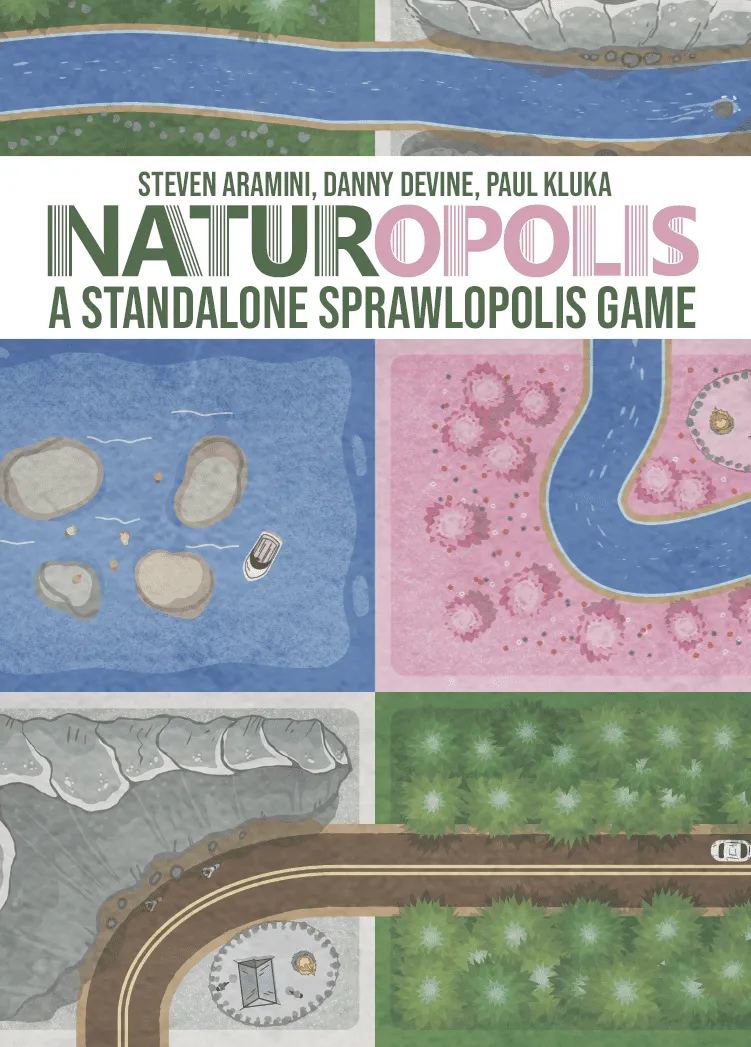
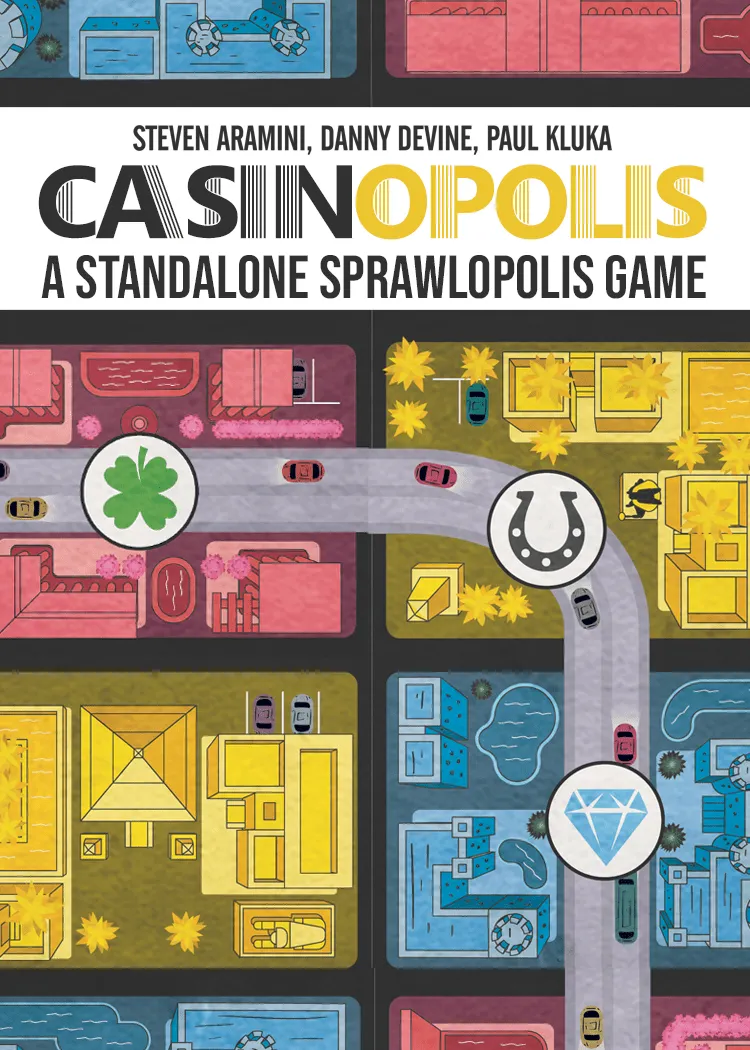



En inglés
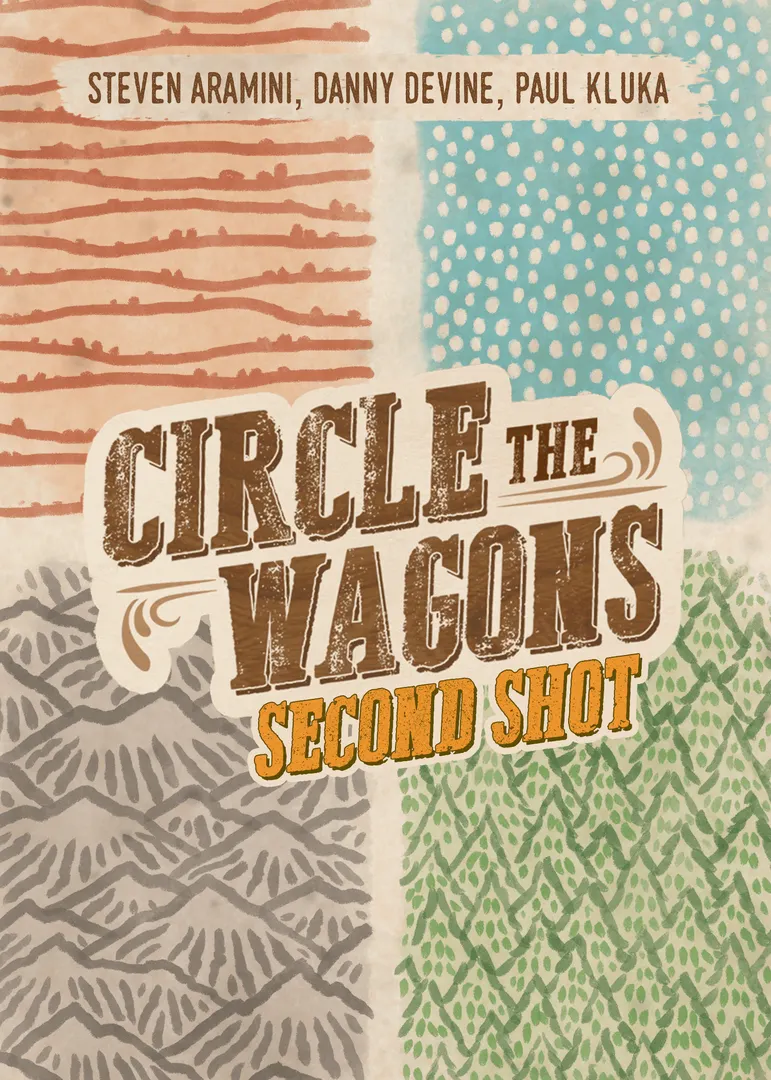
Think you've seen it all out here on the prairie? Think again, partner! There's always a new adventure just over that next hill. Best keep your wits about you—anything can happen out here! Circle the Wagons: Second Shot is a brand new set of 18 cards that can either be played standalone or combined with the base Circle the Wagons game. In this 2-player drafting game, players take turns picking cards from the circle and adding them to their scoring tableau. The twist? Any card in the circle you skip over goes directly to your opponent. Arrange your cards to create scoring blocks and fulfill the three shared scoring goals if you wanna be the best in the West! Second Shot also introduces Newfangled Mode. In this variant, all 36 cards are shuffled together and then split back into two unique 18-card sets. Players play through the first set, scoring only the shared goals, then continue their game using the second set and the regular block-scoring rules. It’s winner-take-all in this ultimate showdown! Second Shot can be played as a standalone game or combined with the base Circle the Wagons game to create an all-new set of 18 cards. As in the original game, 3 cards are dealt to the center with their scoring conditions showing. The remaining cards are placed in a circle around them with their grid of 4 territories showing. A starting card is chosen from the territories, determining where players begin their draft. On a player’s turn, they draft one territory card. The opposing player then takes every territory card between the starting card and the chosen card. Both players add their cards to their tableau. Players must keep the cards in the same vertical orientation (though they can rotate them to have the opposite short edge up). Cards must be placed so that they align with a previously-placed card (if any) along at least one edge. Cards may partially or completely overlap each other, though a newly-gained card cannot be placed underneath another card. Players alternate turns, using the most-recently taken card’s spot in the circle as the new starting point, until all territory cards have been taken and placed. Both players then tally their score. Points are gained for having large connected blocks of each territory type, as well as for meeting each of the shared scoring conditions. The player with the highest score wins. In Second Shot’s Newfangled Mode, players instead use the full 36 cards from Second Shot as well as the base game, shuffling them together and splitting them into 2 18-card decks. Setup and gameplay follows as normal using one deck, then the other. After the first deck is exhausted, players calculate only their score from the scoring conditions. Those cards are cleared away and the second deck is played as normal. At the end of the second deck, the players score both the second set of scoring conditions and their largest blocks. Adding all of their scores together, the players determine the grand winner!
Según el catálogo, Circle the Wagons: Second Shot admite 2 jugadores. Es el número de jugadores indicado por la editorial, así que el juego está diseñado exactamente para esa cantidad de participantes. Las variantes para otros tamaños de grupo, si existen, se describen en el reglamento de tu edición; consúltalo antes de preparar otra configuración.
La duración indicada para Circle the Wagons: Second Shot es de 15 minutos, la estimación de la editorial para una partida completa. El tiempo real depende del grupo, del número de jugadores y del conocimiento de las reglas: las primeras partidas suelen alargarse y los grupos con experiencia terminan antes. La preparación y la explicación de las reglas no están incluidas.
El catálogo indica Circle the Wagons: Second Shot a partir de 8 años. Es la recomendación de la editorial y refleja la lectura necesaria, la complejidad de las reglas y las piezas pequeñas, no solo el tema. Los más pequeños a menudo pueden jugar con ayuda de un adulto: comprueba la edad recomendada en tu edición y la experiencia de tu grupo.
Circle the Wagons: Second Shot tiene una puntuación de complejidad de 1,7 sobre 5 según los jugadores de BoardGameGeek, lo que lo convierte en un juego ligero. La puntuación refleja cuánto conocimiento de reglas, planificación y toma de decisiones exige una partida típica. Los juegos exigentes requieren una explicación inicial más larga, así que conviene usar una guía de preparación.
Circle the Wagons: Second Shot pertenece a estas categorías: Card Game, Print & Play y American West. Sus mecánicas principales son Set Collection, Layering y Open Drafting. Las categorías describen el tema y la ambientación de un juego, mientras que las mecánicas describen lo que los jugadores hacen realmente en su turno. Cada mecánica lleva a una página del catálogo con juegos similares.
Los autores acreditados de Circle the Wagons: Second Shot son: Danny Devine, Steven Aramini y Paul Kluka. Estos créditos proceden de los datos publicados del juego y nombran a las personas responsables de su diseño, no a ilustradores ni editoriales. Las páginas de autor de MeepleRules reúnen otros títulos de los mismos autores, algo útil cuando un juego te gusta y buscas otros parecidos.
El catálogo clasifica Circle the Wagons: Second Shot como juego base. Se juega por sí solo con los componentes de la caja y no requiere ningún otro título. Las expansiones, si existen, añaden contenido o reglas nuevas y aparecen por separado en el catálogo con un enlace a este juego base.