
- Puesto en BGG
- BGG #126
- Puntuación BGG
- 8,0
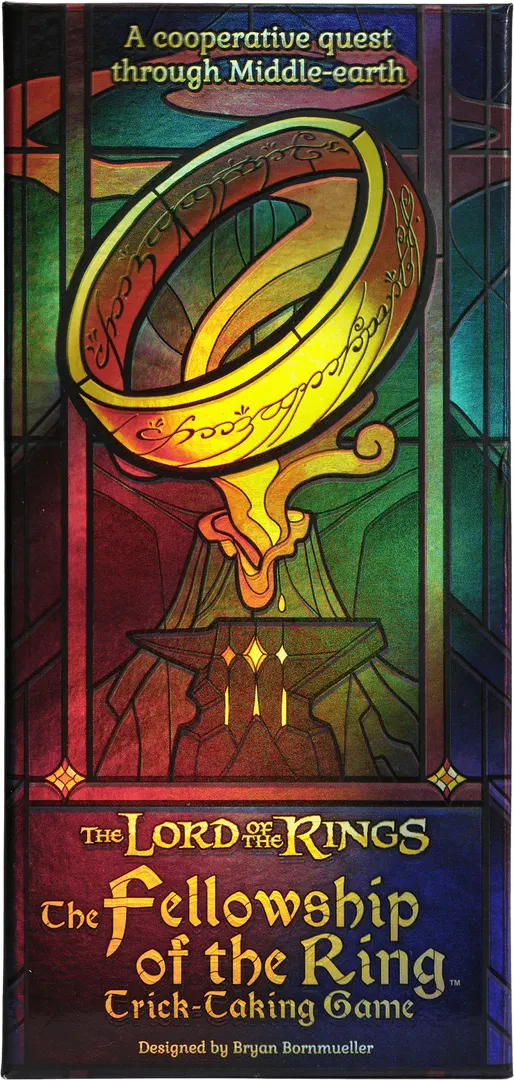
The Lord of the Rings: The Fellowship of the Ring – Trick-Taking Game
- 1–4 jugadores
- 20 min
- Complejidad 1,9/5
- 2024
Expansión de Claim
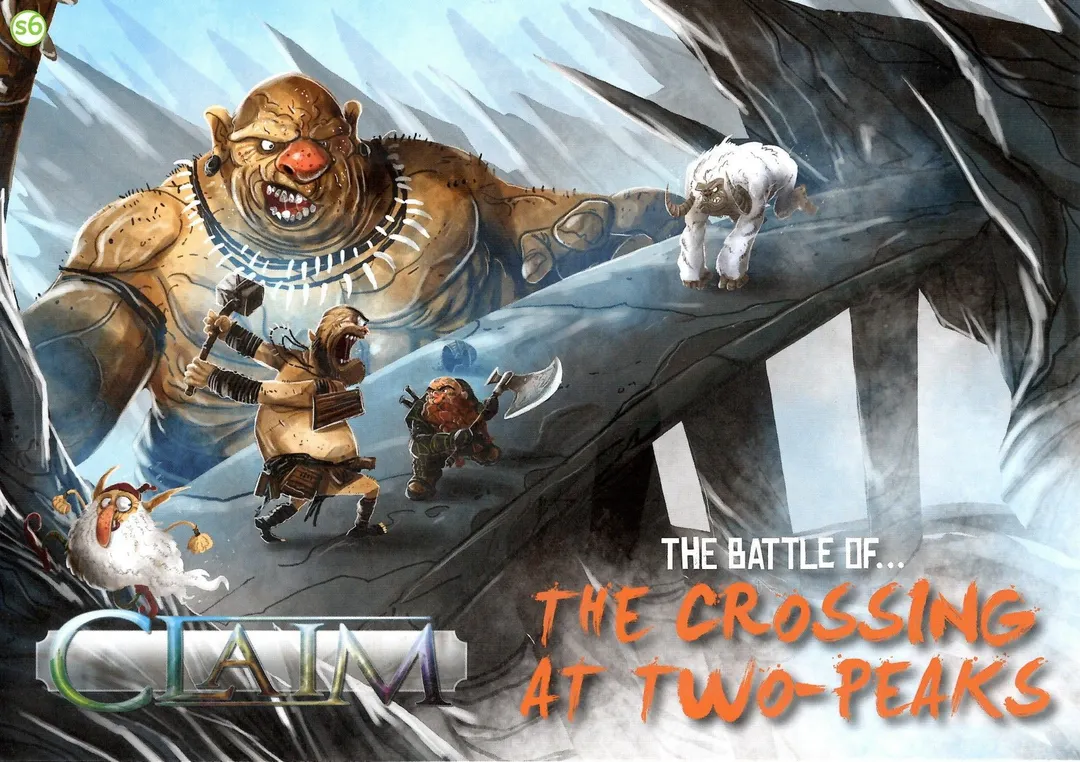
Ayuda con las reglas de Claim Scenario Card 6: The Battle of... The Crossing at Two-Peaks
Explicaciones claras de turnos, efectos de cartas y situaciones dudosas, con referencias a fuentes oficiales e historial de preguntas guardado.
¿Qué quieres saber?
Las respuestas salen del reglamento oficial, con la página para comprobarlo.
Claim Scenario Card 6: The Battle of... The Crossing at Two-Peaks es una expansión de Claim para 2 jugadores, con partidas de 25 minutos y a partir de 10 años. Sus mecánicas principales son Trick-taking.


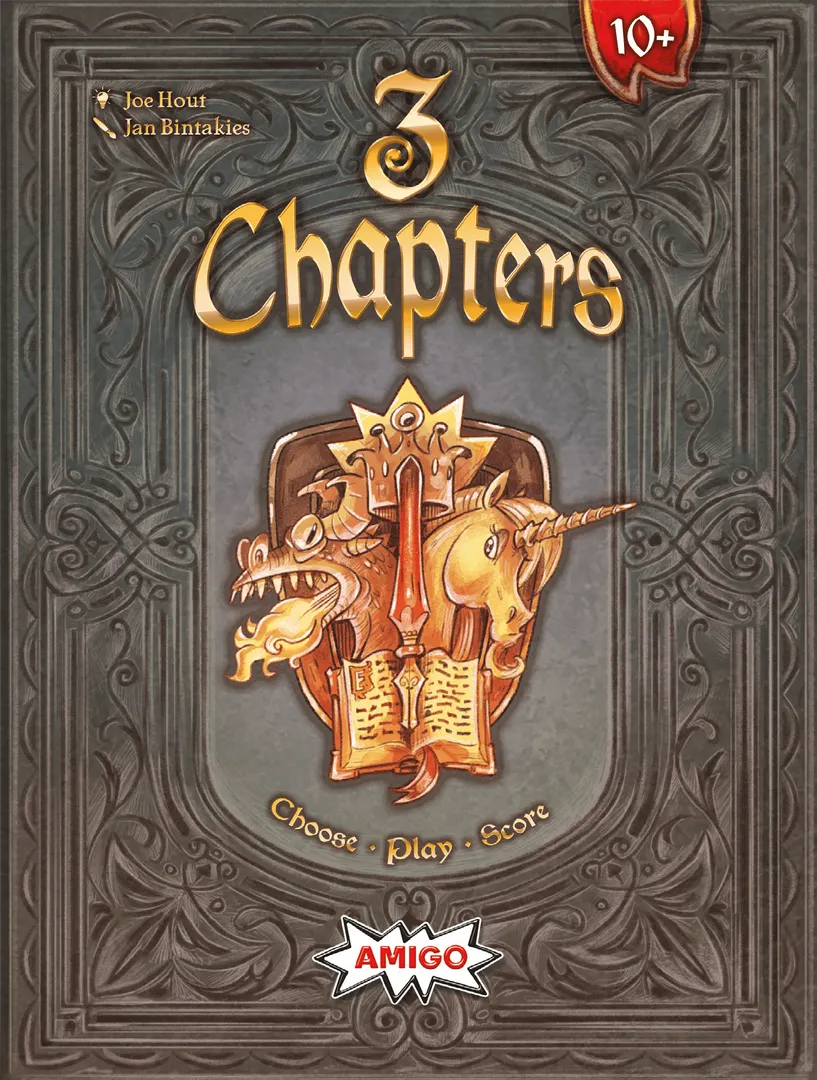
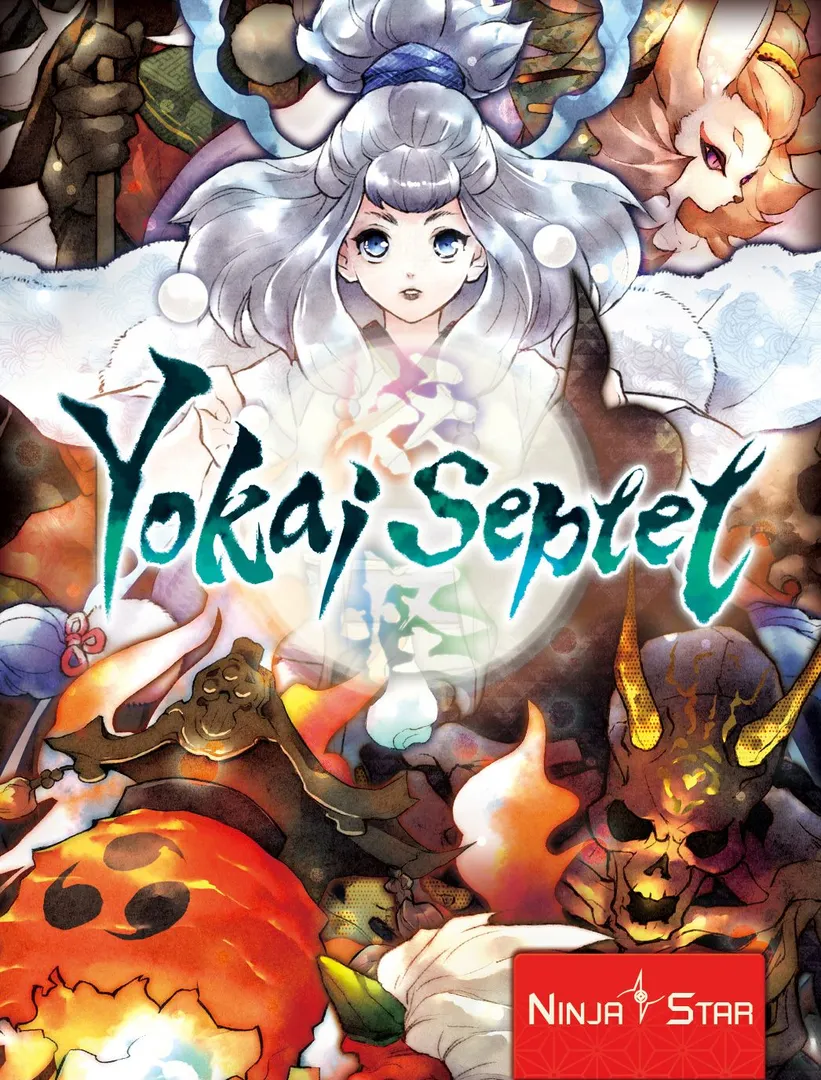
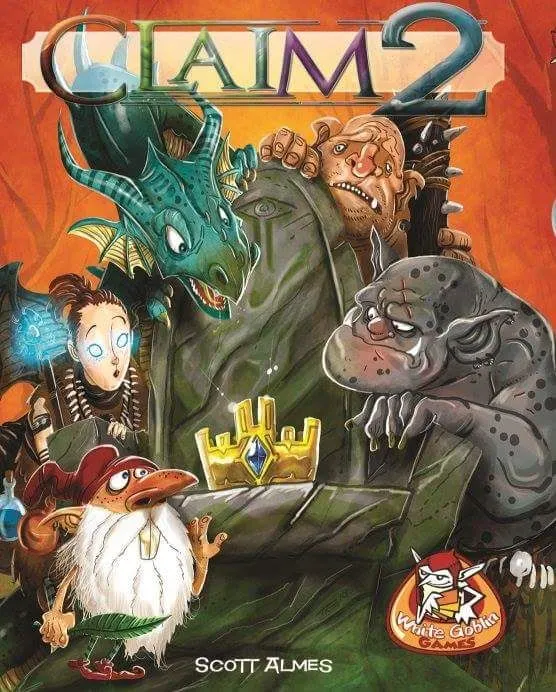
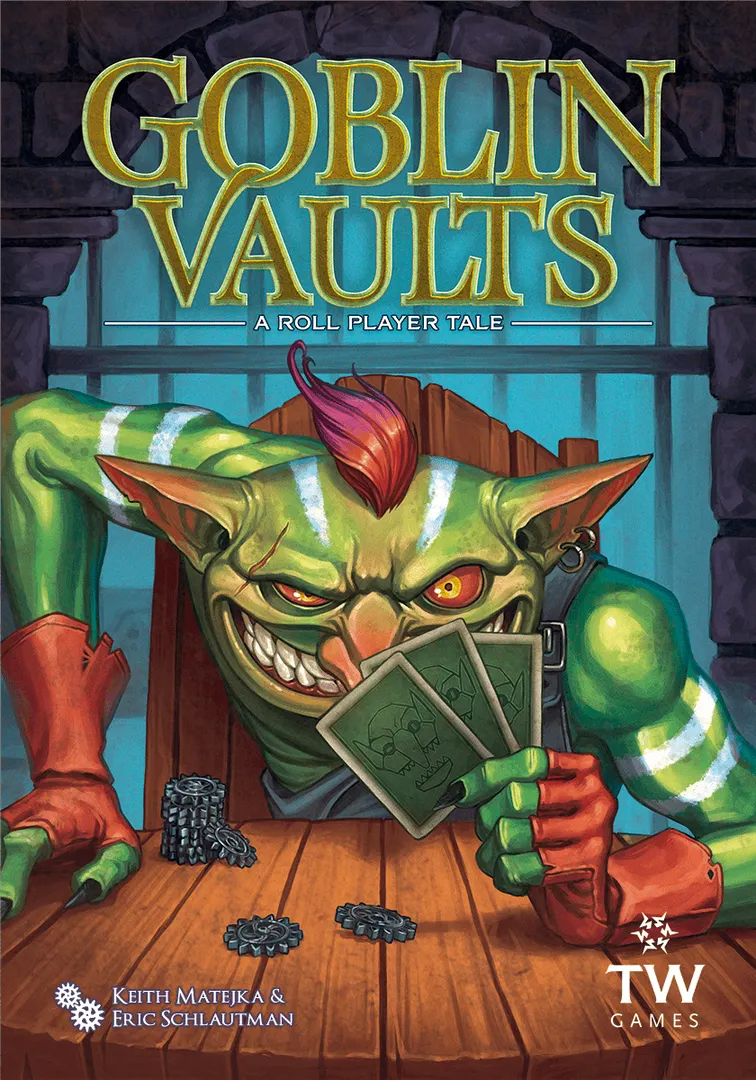
En inglés
Narrative from Scenario Card: The Battle of... The Crossing at Two-Peaks The great bridge spans the two peaks, and nobody can agree on who built it. Was it the giants and their massive strength? Was it the crafty dwarves? Or was it a lone Yeti who had too much time on his hands. Each faction wants credit for the bridge, and now a battle will determine who gets to write its history Referenced in the Claim Anniversary Edition rulebook, Claim Scenario Cards are used to tell a story and set up a battle.Sold directly from White Goblin Games, this scenario contains a short narrative along with preselected factions & locations from multiple products within the Claim family, requiring all items listed under "Expands" to use*. A table displaying all such information for this and other Claim Scenario Cards is available for viewing in the Claim Scenario Card List. *Claim Anniversary Edition is NOT required. However, it contains Claim 1 and Claim 2, and so it can be used in their place.
Según el catálogo, Claim Scenario Card 6: The Battle of... The Crossing at Two-Peaks admite 2 jugadores. Es el número de jugadores indicado por la editorial, así que el juego está diseñado exactamente para esa cantidad de participantes. Las variantes para otros tamaños de grupo, si existen, se describen en el reglamento de tu edición; consúltalo antes de preparar otra configuración.
La duración indicada para Claim Scenario Card 6: The Battle of... The Crossing at Two-Peaks es de 25 minutos, la estimación de la editorial para una partida completa. El tiempo real depende del grupo, del número de jugadores y del conocimiento de las reglas: las primeras partidas suelen alargarse y los grupos con experiencia terminan antes. La preparación y la explicación de las reglas no están incluidas.
El catálogo indica Claim Scenario Card 6: The Battle of... The Crossing at Two-Peaks a partir de 10 años. Es la recomendación de la editorial y refleja la lectura necesaria, la complejidad de las reglas y las piezas pequeñas, no solo el tema. Los más pequeños a menudo pueden jugar con ayuda de un adulto: comprueba la edad recomendada en tu edición y la experiencia de tu grupo.
Claim Scenario Card 6: The Battle of... The Crossing at Two-Peaks pertenece a estas categorías: Card Game, Fantasy y Expansion for Base-game. Sus mecánicas principales son Trick-taking. Las categorías describen el tema y la ambientación de un juego, mientras que las mecánicas describen lo que los jugadores hacen realmente en su turno. Cada mecánica lleva a una página del catálogo con juegos similares.
El catálogo clasifica Claim Scenario Card 6: The Battle of... The Crossing at Two-Peaks como expansión de Claim. Las expansiones añaden contenido, reglas o escenarios al juego base y normalmente no se pueden jugar solas, así que necesitas Claim para usarla. Comprueba que tu edición de Claim sea compatible, porque algunas expansiones se revisaron entre ediciones.