- Puesto en BGG
- BGG #29.982
- Puntuación BGG
- 3,7
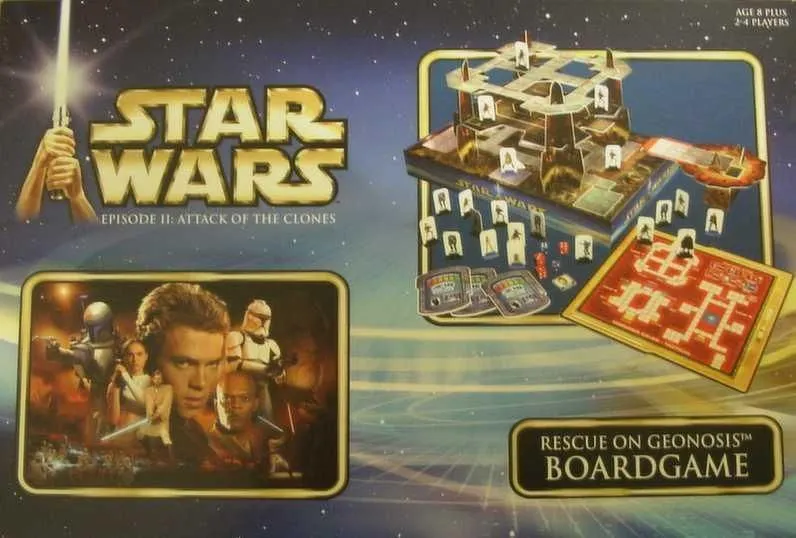
Star Wars: Rescue on Geonosis
- 2–4 jugadores
- 1 min
- Complejidad 2,0/5
- 2002
1978
Ayuda con las reglas de Close Encounters of the Third Kind
Explicaciones claras de turnos, efectos de cartas y situaciones dudosas, con referencias a fuentes oficiales e historial de preguntas guardado.
¿Qué quieres saber?
Las respuestas salen del reglamento oficial, con la página para comprobarlo.
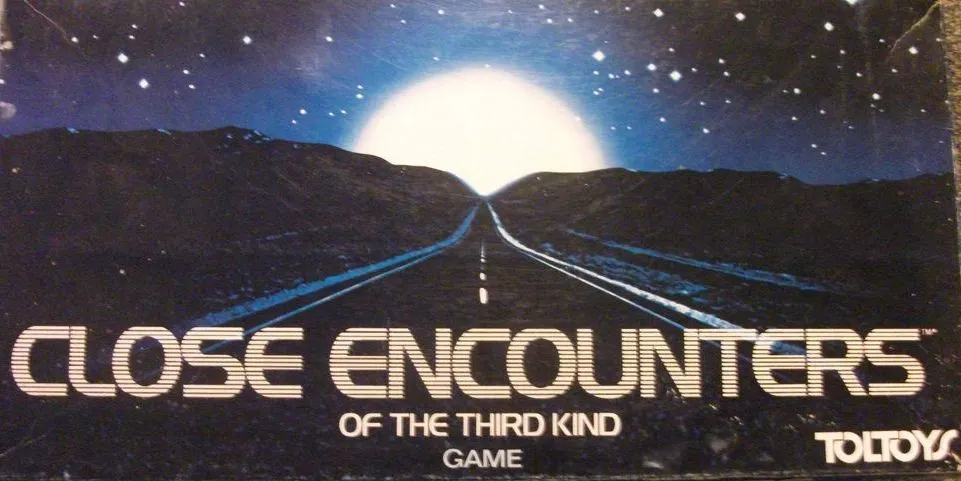
Close Encounters of the Third Kind es un juego de mesa publicado en 1978 para 2–4 jugadores, con partidas de 20 minutos y a partir de 8 años. Sus mecánicas principales son Roll / Spin and Move y Secret Unit Deployment.






En inglés
From the box: Imagine this. First you see some spaceships. Then your mind becomes possessed; you see visions of Devil's Tower in Wyoming; you hear a weird, mysterious 5-note melody; you travel to Devil's Tower only to discover that others have come for the same purpose. You learn that only one of you will be allowed to board. To board the Mother Ship, you must compete against the others in a game, and win. The game. During the game you and your opponents move between Devil's Tower and the Mother Ship. As you move, you try to avoid the hidden traps that your opponents have set for you. At the same time, you try to slow your opponents' progress by creating hidden traps of your own. It's a game of mystery, of concentration, of chance. To play, you'll need nerves of steel. To win, you'll need a few lucky breaks. It's exciting. It's fun. It's unusual. Best of all, it's a game designed to be shared by the entire family.
Según el catálogo, Close Encounters of the Third Kind admite de 2 a 4 jugadores. Este intervalo corresponde al número de jugadores indicado por la editorial, así que el juego puede prepararse para cualquier grupo dentro de ese margen. La preparación, algunas reglas y la puntuación pueden variar según el número de jugadores; consulta la configuración exacta en el reglamento de tu edición.
La duración indicada para Close Encounters of the Third Kind es de 20 minutos, la estimación de la editorial para una partida completa. El tiempo real depende del grupo, del número de jugadores y del conocimiento de las reglas: las primeras partidas suelen alargarse y los grupos con experiencia terminan antes. La preparación y la explicación de las reglas no están incluidas.
El catálogo indica Close Encounters of the Third Kind a partir de 8 años. Es la recomendación de la editorial y refleja la lectura necesaria, la complejidad de las reglas y las piezas pequeñas, no solo el tema. Los más pequeños a menudo pueden jugar con ayuda de un adulto: comprueba la edad recomendada en tu edición y la experiencia de tu grupo.
Close Encounters of the Third Kind tiene una puntuación de complejidad de 1,0 sobre 5 según los jugadores de BoardGameGeek, lo que lo convierte en un juego ligero. La puntuación refleja cuánto conocimiento de reglas, planificación y toma de decisiones exige una partida típica. Los juegos exigentes requieren una explicación inicial más larga, así que conviene usar una guía de preparación.
Close Encounters of the Third Kind pertenece a estas categorías: Movies / TV / Radio theme y Science Fiction. Sus mecánicas principales son Roll / Spin and Move y Secret Unit Deployment. Las categorías describen el tema y la ambientación de un juego, mientras que las mecánicas describen lo que los jugadores hacen realmente en su turno. Cada mecánica lleva a una página del catálogo con juegos similares.
El catálogo clasifica Close Encounters of the Third Kind como juego base. Se juega por sí solo con los componentes de la caja y no requiere ningún otro título. Las expansiones, si existen, añaden contenido o reglas nuevas y aparecen por separado en el catálogo con un enlace a este juego base.


