
- Puesto en BGG
- BGG #286
- Puntuación BGG
- 7,5
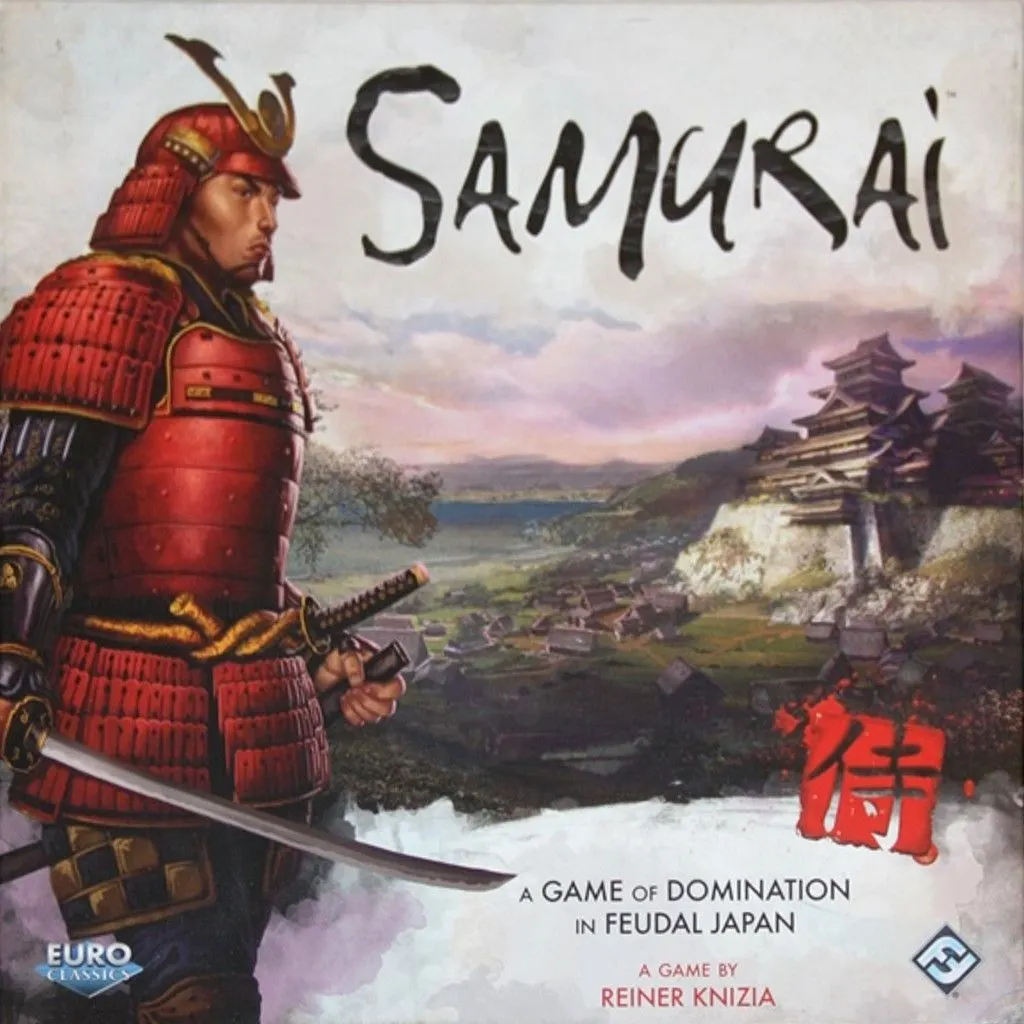
Samurai
- 2–4 jugadores
- 30–60 min
- Complejidad 2,4/5
- 1998
2021
Ayuda con las reglas de Daimyo Senso
Explicaciones claras de turnos, efectos de cartas y situaciones dudosas, con referencias a fuentes oficiales e historial de preguntas guardado.
¿Qué quieres saber?
Las respuestas salen del reglamento oficial, con la página para comprobarlo.
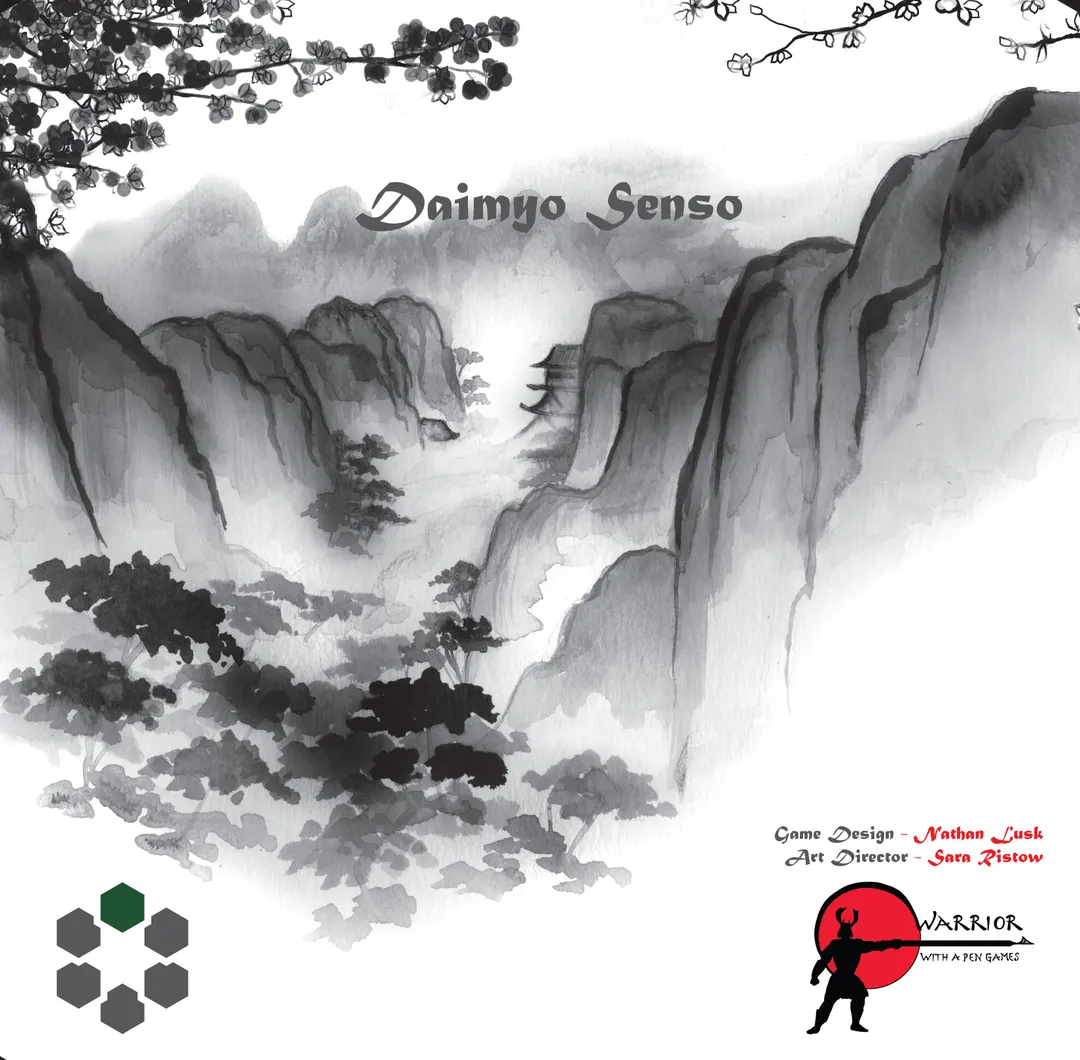
Daimyo Senso es un juego de mesa publicado en 2021 para 1–8 jugadores, con partidas de 40 a 120 minutos y a partir de 12 años. Fue diseñado por Nathan Lusk y sus mecánicas principales son Once-Per-Game Abilities.






En inglés
Manufactured in the USA! Daimyo Senso is a 1-8 player game where each player takes the role of a 16th century Japanese daimyo in conquest to become the next Shogun. Players take turns during 4 seasons per year for 4 years, using predetermined commands during each season. Those commands are Move, Deploy, or Attack. Once per year, each daimyo may use one special skill, which amplifies the power of one of their commands. At the end of each year, players tally up their total Castles, Cities, and Fortresses and are awarded Honor based on that total. The game is over after 4 years, and the player with the most Honor wins. In single player, the board is set up with significantly more troops, and the player must battle through all of them to completely conquer 5 Regions within 4 years. This race against the clock also acts to help players understand the Actions and General Cards. Edit: There are now additional multiplayer rules for playing the game out until only one player is left. This is an optional way to play, and makes the game much longer, but is still as strategic and even more desperately gratifying when a long-term plan comes together through alliance, deceit, and careful planning. Another optional rule sets the board up with all daimyo present even in a less-than-8 player game. Each faction in the game is asymmetrical, and each has its own 4 special skills, called General Cards. The factions include: Oda - Beginning in south central Honshu, the Oda clan has powerful General Cards that allow him to wage war heavily and assign his armies to the most crucial battlefronts. Uesugi - The Uesugi clan's attacks are bolstered by powerful generals, and his tactical movements and deployments insure that his armies are where they need to be. Takeda - While the mighty Takeda war machine has deceptively light attack powers, their troop movements and deployments make them extremely able to defend their hard-won gains. Hojo - The Hojo employ shinobi, which allows them to completely fool their enemies. While an enemy may think the Hojo are weak on one front, their armies can immediately arrive on the opposite end of their kingdom, shocking enemies into submission. Miyoshi - The Miyoshi use deception and surprise tactics to hit their enemies where they're weakest. Their powerful navy insures their ability to suddenly appear on any coast at any time. Mori - The Mori clan uses cunning to thwart their opponents. Their swift advance through unoccupied territories and their ability to fight on multiple fronts at once make them a headache for any enemy to stop. Date - The Date clan can assault enemy castles with heroic actions, and their ferocity makes neighboring armies wither. Beware the city of Sendai, as the Date will fiercely defend it. Shimazu - From the southern tip of Kyushu, the Shimazu wage war with their enemies to the North and East. The Shimazu are supported by the people, who rush to join their cause. -description from designer
Según el catálogo, Daimyo Senso admite de 1 a 8 jugadores. Este intervalo corresponde al número de jugadores indicado por la editorial, así que el juego puede prepararse para cualquier grupo dentro de ese margen. La preparación, algunas reglas y la puntuación pueden variar según el número de jugadores; consulta la configuración exacta en el reglamento de tu edición.
La duración indicada para Daimyo Senso es de 40 a 120 minutos, la estimación de la editorial para una partida completa. El tiempo real depende del grupo, del número de jugadores y del conocimiento de las reglas: las primeras partidas suelen alargarse y los grupos con experiencia terminan antes. La preparación y la explicación de las reglas no están incluidas.
El catálogo indica Daimyo Senso a partir de 12 años. Es la recomendación de la editorial y refleja la lectura necesaria, la complejidad de las reglas y las piezas pequeñas, no solo el tema. Los más pequeños a menudo pueden jugar con ayuda de un adulto: comprueba la edad recomendada en tu edición y la experiencia de tu grupo.
Daimyo Senso tiene una puntuación de complejidad de 3,0 sobre 5 según los jugadores de BoardGameGeek, lo que lo convierte en un juego de complejidad media. La puntuación refleja cuánto conocimiento de reglas, planificación y toma de decisiones exige una partida típica. Los juegos exigentes requieren una explicación inicial más larga, así que conviene usar una guía de preparación.
Daimyo Senso pertenece a estas categorías: Wargame y Abstract Strategy. Sus mecánicas principales son Once-Per-Game Abilities. Las categorías describen el tema y la ambientación de un juego, mientras que las mecánicas describen lo que los jugadores hacen realmente en su turno. Cada mecánica lleva a una página del catálogo con juegos similares.
Los autores acreditados de Daimyo Senso son: Nathan Lusk. Estos créditos proceden de los datos publicados del juego y nombran a las personas responsables de su diseño, no a ilustradores ni editoriales. Las páginas de autor de MeepleRules reúnen otros títulos de los mismos autores, algo útil cuando un juego te gusta y buscas otros parecidos.
El catálogo clasifica Daimyo Senso como juego base. Se juega por sí solo con los componentes de la caja y no requiere ningún otro título. Las expansiones, si existen, añaden contenido o reglas nuevas y aparecen por separado en el catálogo con un enlace a este juego base.