
- Puesto en BGG
- BGG #241
- Puntuación BGG
- 7,5
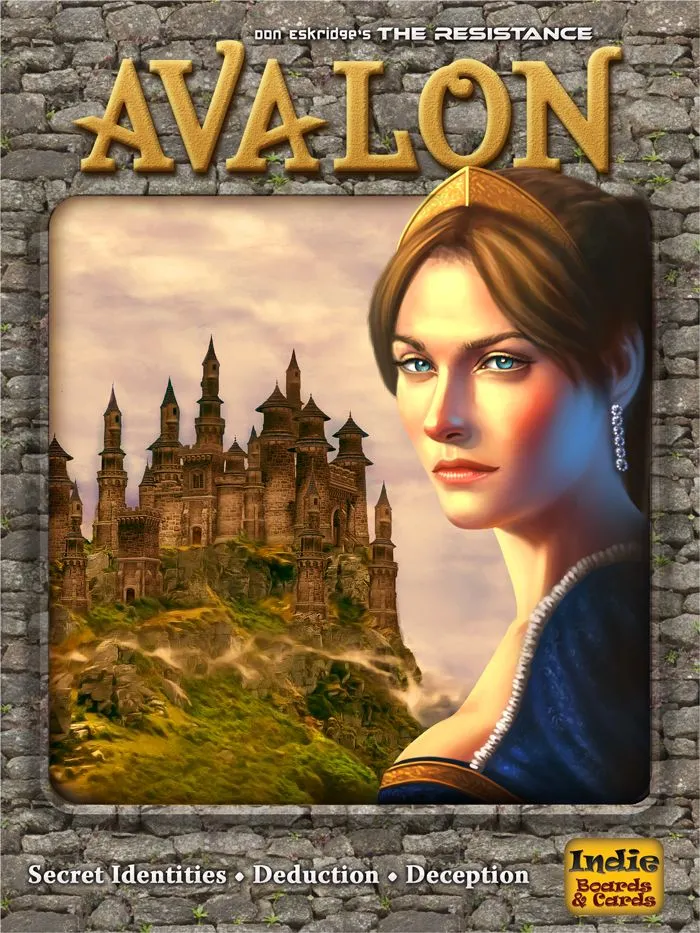
The Resistance: Avalon
- 5–10 jugadores
- 30 min
- Complejidad 1,7/5
- 2012
2013
Ayuda con las reglas de Dark Empire: Revolution
Explicaciones claras de turnos, efectos de cartas y situaciones dudosas, con referencias a fuentes oficiales e historial de preguntas guardado.
Para 3 jugadores
¿Qué quieres saber?
Las respuestas salen del reglamento oficial, con la página para comprobarlo.
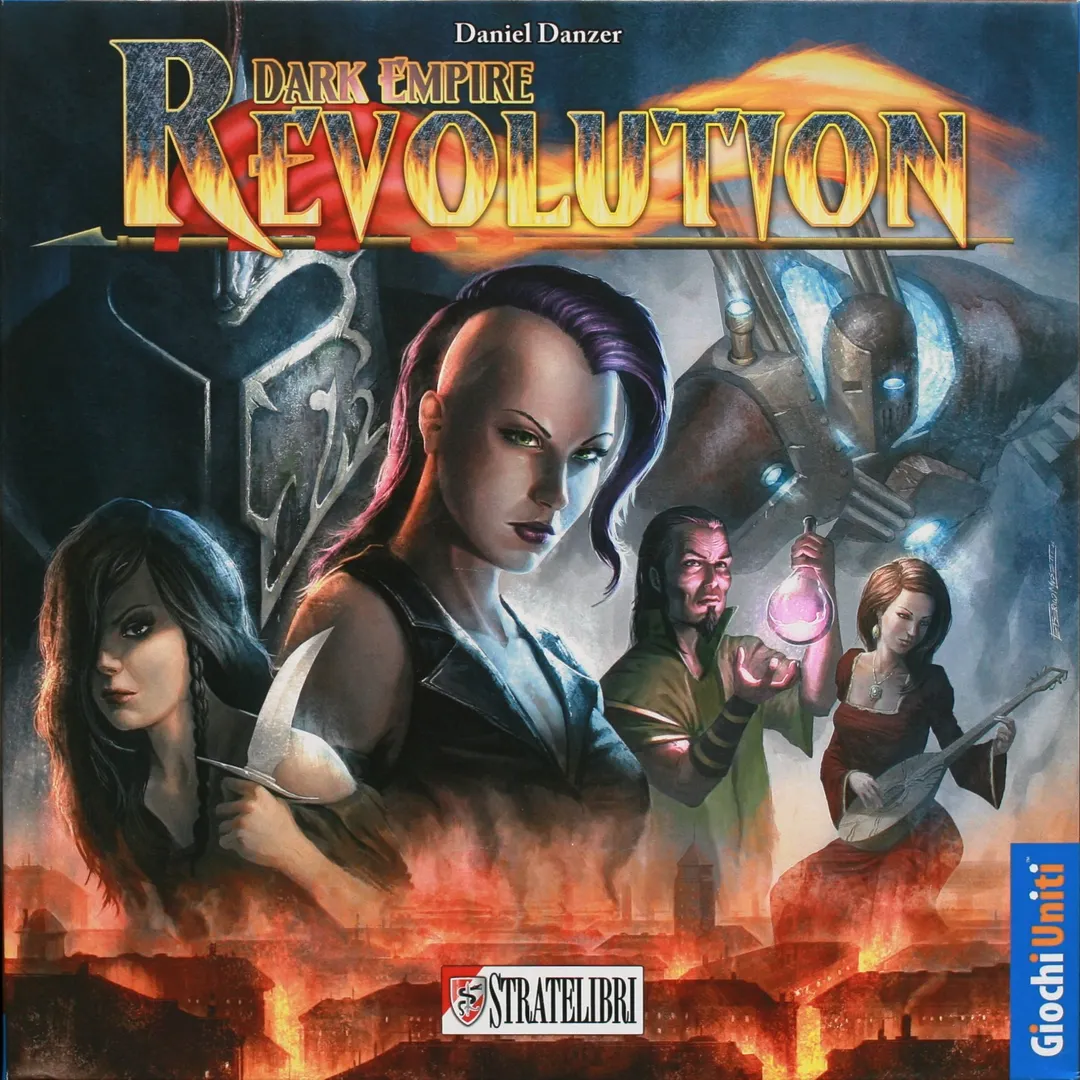
Dark Empire: Revolution es un juego de mesa publicado en 2013 para 3–5 jugadores, con partidas de 60 minutos y a partir de 12 años. Fue diseñado por Daniel Danzer y sus mecánicas principales son Hand Management, Simultaneous Action Selection y Traitor Game.







En inglés
In the state of R’yan, five factions of the population rise against Emperor Flaut III: Students, Beggars, the City Guard, Alchemists, and the Apparats, medieval robots with a living soul, implemented by said Alchemists. These factions must work together to overcome the Emperor, but only one will eventually rule the future country. Otherwise, Flaut III suppresses the revolution and retains control... In Dark Empire: Revolution, each faction consists of a total of 13 cards: three cards with a value of 4-6 and two cards with values 7-8. There are ten additional cards which can be added to the strength of any faction card already in play. The table represents Vindoban, the capital of R`yan, where the emperor deploys his army on one side and the insurgent people gather on the other. The game is played over a series of turns ("weeks"). After four weeks, a month is completed with an intermediate scoring, and after three months a final scoring ends the game. Each player starts with a hand of seven cards, one random “secret goal” faction that the player attempts to guide to victory, and a set of "temporary support" cards. With these cards you secretly “bid” on the faction you believe will win the next month’s scoring by having accumulated the most points. Gameplay: players simultaneously place one card each in the centre of the table, either towards the revolutionary forces, or as a traitor on the emperor's side adding this value to an “Emperor card” already placed in that location. This happens three times, but you are only allowed to place one of your three cards as a traitor. The week is then resolved and the player who provided the most support for the strongest faction puts aside one of his cards for this faction to be scored; in addition, this player is immediately awarded 2 extra points. The player who played the highest single card for this faction (not necessarily the same player!) is awarded 1 point. But beware - when the emperor (his card plus all traitors) gained more points than each single faction, the Emperor card is placed to the scoring! The table is cleared and the next week begins. After four weeks, a month is over and an intermediate scoring takes place. If you are correct with your prediction of this month’s winner you gain another 6 points. After three months the final scoring occurs, determining the winner: the “secret goals” are revealed and the collected points of each player are added to the cards scored for their faction during the course of the game. The faction with the highest score wins the revolution - and the game. But: if the emperor can put down the rebellion - then the faction with the lowest score wins the game. Or, if the winning faction is too far ahead, it is immediately overthrown by all the others and the faction with the second highest score wins the game.
Según el catálogo, Dark Empire: Revolution admite de 3 a 5 jugadores. Este intervalo corresponde al número de jugadores indicado por la editorial, así que el juego puede prepararse para cualquier grupo dentro de ese margen. La preparación, algunas reglas y la puntuación pueden variar según el número de jugadores; consulta la configuración exacta en el reglamento de tu edición.
La duración indicada para Dark Empire: Revolution es de 60 minutos, la estimación de la editorial para una partida completa. El tiempo real depende del grupo, del número de jugadores y del conocimiento de las reglas: las primeras partidas suelen alargarse y los grupos con experiencia terminan antes. La preparación y la explicación de las reglas no están incluidas.
El catálogo indica Dark Empire: Revolution a partir de 12 años. Es la recomendación de la editorial y refleja la lectura necesaria, la complejidad de las reglas y las piezas pequeñas, no solo el tema. Los más pequeños a menudo pueden jugar con ayuda de un adulto: comprueba la edad recomendada en tu edición y la experiencia de tu grupo.
Dark Empire: Revolution tiene una puntuación de complejidad de 2,6 sobre 5 según los jugadores de BoardGameGeek, lo que lo convierte en un juego algo ligero. La puntuación refleja cuánto conocimiento de reglas, planificación y toma de decisiones exige una partida típica. Los juegos exigentes requieren una explicación inicial más larga, así que conviene usar una guía de preparación.
Dark Empire: Revolution pertenece a estas categorías: Card Game, Comic Book / Strip y Bluffing. Sus mecánicas principales son Hand Management, Simultaneous Action Selection y Traitor Game. Las categorías describen el tema y la ambientación de un juego, mientras que las mecánicas describen lo que los jugadores hacen realmente en su turno. Cada mecánica lleva a una página del catálogo con juegos similares.
Los autores acreditados de Dark Empire: Revolution son: Daniel Danzer. Estos créditos proceden de los datos publicados del juego y nombran a las personas responsables de su diseño, no a ilustradores ni editoriales. Las páginas de autor de MeepleRules reúnen otros títulos de los mismos autores, algo útil cuando un juego te gusta y buscas otros parecidos.
El catálogo clasifica Dark Empire: Revolution como juego base. Se juega por sí solo con los componentes de la caja y no requiere ningún otro título. Las expansiones, si existen, añaden contenido o reglas nuevas y aparecen por separado en el catálogo con un enlace a este juego base.