
- Puesto en BGG
- BGG #25.932
- Puntuación BGG
- 5,5
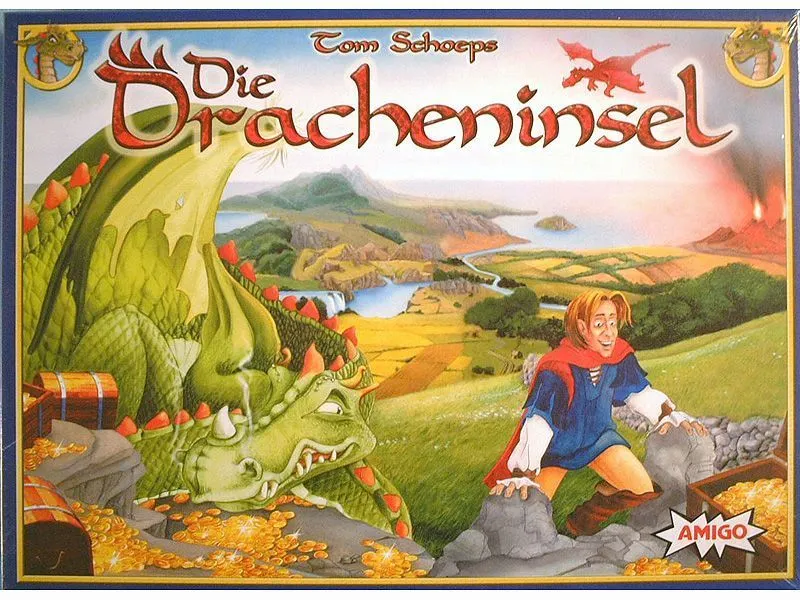
Die Dracheninsel
- 3–6 jugadores
- 60 min
- Complejidad 1,3/5
- 2003
1993
Ayuda con las reglas de Die Hanse
Explicaciones claras de turnos, efectos de cartas y situaciones dudosas, con referencias a fuentes oficiales e historial de preguntas guardado.
Para 3 jugadores
¿Qué quieres saber?
Las respuestas salen del reglamento oficial, con la página para comprobarlo.
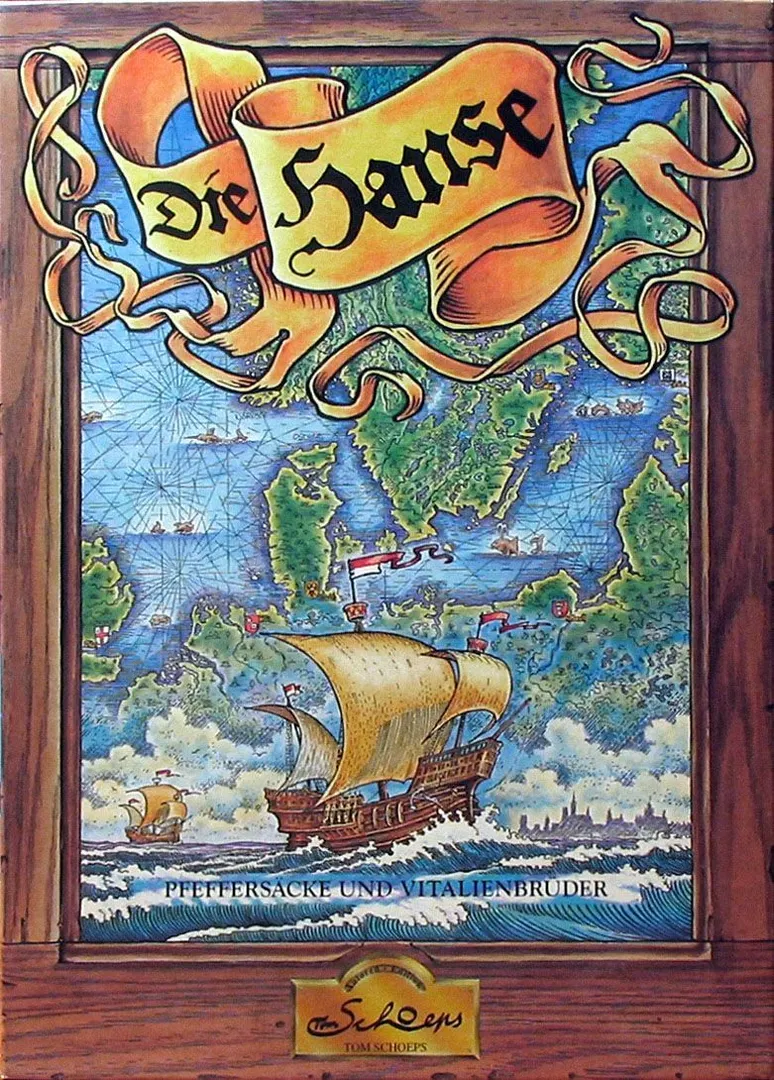
Die Hanse es un juego de mesa publicado en 1993 para 3–6 jugadores, con partidas de 75 minutos y a partir de 10 años. Fue diseñado por Tom Schoeps y sus mecánicas principales son Team-Based Game, Pick-up and Deliver y Neighbor Scope.


En inglés
From the publisher: The players, as merchants in the time of the Hanseatic League try to carry salt from Lübeck to commercial ports and exchange them for needed products. The exchanged goods must either be brought back for domestic storage (on the storage card) or to trade offices in other harbors, in exchange for other needed products. On the storage cards each Hansa merchant finds the products that he must in the course of the game, put in storage. Once a merchant fills his storage card, the game ends and the winner is determined. During this time period, wares were transported in sailing ships, cogs or later holks. To reduce the risk of such a dangerous and uncertain journey, merchants formed so-called companies with one or several partners and thereby distributed valuable loads on several ships. In this game each player shares a Hansa cog with his left and right-hand neighbors. And there are risks to the voyage on all sides. Whether it be the feared pirates, the Vitalian Brotherhood, as they were known, wreaking havoc, whether storms rage over the North and Baltic Seas, or a harbor is blocked, a thousand things can cause difficulties in the life of an honorable merchant...
Según el catálogo, Die Hanse admite de 3 a 6 jugadores. Este intervalo corresponde al número de jugadores indicado por la editorial, así que el juego puede prepararse para cualquier grupo dentro de ese margen. La preparación, algunas reglas y la puntuación pueden variar según el número de jugadores; consulta la configuración exacta en el reglamento de tu edición.
La duración indicada para Die Hanse es de 75 minutos, la estimación de la editorial para una partida completa. El tiempo real depende del grupo, del número de jugadores y del conocimiento de las reglas: las primeras partidas suelen alargarse y los grupos con experiencia terminan antes. La preparación y la explicación de las reglas no están incluidas.
El catálogo indica Die Hanse a partir de 10 años. Es la recomendación de la editorial y refleja la lectura necesaria, la complejidad de las reglas y las piezas pequeñas, no solo el tema. Los más pequeños a menudo pueden jugar con ayuda de un adulto: comprueba la edad recomendada en tu edición y la experiencia de tu grupo.
Die Hanse tiene una puntuación de complejidad de 2,2 sobre 5 según los jugadores de BoardGameGeek, lo que lo convierte en un juego algo ligero. La puntuación refleja cuánto conocimiento de reglas, planificación y toma de decisiones exige una partida típica. Los juegos exigentes requieren una explicación inicial más larga, así que conviene usar una guía de preparación.
Die Hanse pertenece a estas categorías: Medieval, Nautical y Negotiation. Sus mecánicas principales son Team-Based Game, Pick-up and Deliver y Neighbor Scope. Las categorías describen el tema y la ambientación de un juego, mientras que las mecánicas describen lo que los jugadores hacen realmente en su turno. Cada mecánica lleva a una página del catálogo con juegos similares.
Los autores acreditados de Die Hanse son: Tom Schoeps. Estos créditos proceden de los datos publicados del juego y nombran a las personas responsables de su diseño, no a ilustradores ni editoriales. Las páginas de autor de MeepleRules reúnen otros títulos de los mismos autores, algo útil cuando un juego te gusta y buscas otros parecidos.
El catálogo clasifica Die Hanse como juego base. Se juega por sí solo con los componentes de la caja y no requiere ningún otro título. Las expansiones, si existen, añaden contenido o reglas nuevas y aparecen por separado en el catálogo con un enlace a este juego base.