
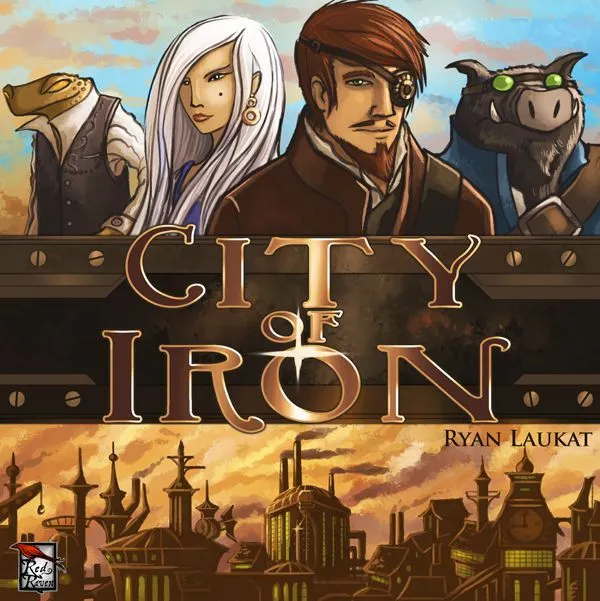
- Puesto en BGG
- BGG #2358
- Puntuación BGG
- 7,1
City of Iron
- 2–4 jugadores
- 120 min
- Complejidad 3,2/5
- 2013
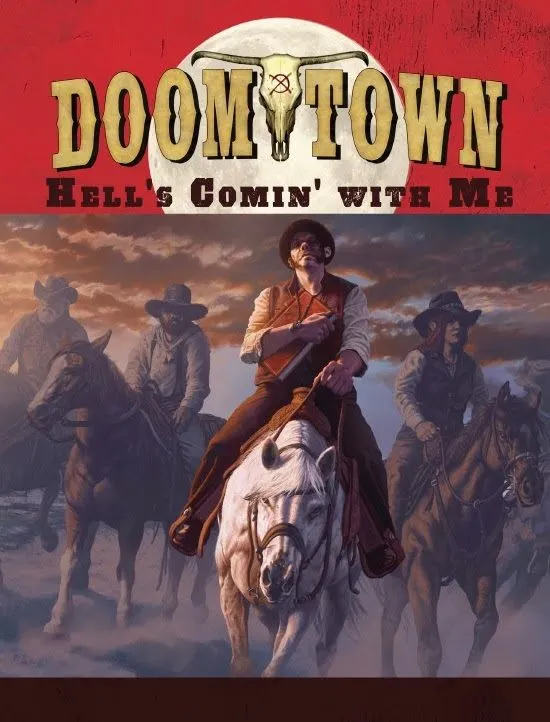
Ayuda con las reglas de Doomtown: Hell's Comin' With Me
Explicaciones claras de turnos, efectos de cartas y situaciones dudosas, con referencias a fuentes oficiales e historial de preguntas guardado.
¿Qué quieres saber?
Las respuestas salen del reglamento oficial, con la página para comprobarlo.
Doomtown: Hell's Comin' With Me es una expansión de Doomtown: Reloaded publicada en 2020 para 2–4 jugadores, con partidas de 30 a 60 minutos y a partir de 12 años. Fue diseñado por Richard Carter y sus mecánicas principales son Variable Player Powers, Hand Management y Area Majority / Influence.



En inglés
Gomorra is a boomtown on the edge of California’s Great Maze, that part of the coast that sunk into the water in 1863, creating a labyrinth of rock riddled with the super fuel known as ghost rock. Over the years, the town was destroyed time and again: by outlaws, demons, cultist fanatics, and more. Most recently, it was ravaged by the Fourth Ring Circus and the Sloane Gang. In the aftermath, the deputies Xiong “Wendy” Cheng and Lucinda “Lucy” Clover left for greener pastures. Unfortunately, the pastures they chose were Tombstone, Arizona. They arrived just in time to see the conflict between the Cowboys and Earps reach its fever pitch. On top of that, the mysterious Bayou Vermilion Railroad had also set up shop in town, and Tombstone’s been suffering its own supernatural problems. And back in Gomorra, a familiar figure rides northward: Jonah Essex, a mysterious huckster associated with the worst events in Gomorra’s recent years. He rides toward Deadwood, Dakota, and if the town knew what was good for them, they would fear his coming. —description from the publisher
Según el catálogo, Doomtown: Hell's Comin' With Me admite de 2 a 4 jugadores. Este intervalo corresponde al número de jugadores indicado por la editorial, así que el juego puede prepararse para cualquier grupo dentro de ese margen. La preparación, algunas reglas y la puntuación pueden variar según el número de jugadores; consulta la configuración exacta en el reglamento de tu edición.
La duración indicada para Doomtown: Hell's Comin' With Me es de 30 a 60 minutos, la estimación de la editorial para una partida completa. El tiempo real depende del grupo, del número de jugadores y del conocimiento de las reglas: las primeras partidas suelen alargarse y los grupos con experiencia terminan antes. La preparación y la explicación de las reglas no están incluidas.
El catálogo indica Doomtown: Hell's Comin' With Me a partir de 12 años. Es la recomendación de la editorial y refleja la lectura necesaria, la complejidad de las reglas y las piezas pequeñas, no solo el tema. Los más pequeños a menudo pueden jugar con ayuda de un adulto: comprueba la edad recomendada en tu edición y la experiencia de tu grupo.
Doomtown: Hell's Comin' With Me pertenece a estas categorías: Card Game, Fantasy y Horror. Sus mecánicas principales son Variable Player Powers, Hand Management y Area Majority / Influence. Las categorías describen el tema y la ambientación de un juego, mientras que las mecánicas describen lo que los jugadores hacen realmente en su turno. Cada mecánica lleva a una página del catálogo con juegos similares.
Los autores acreditados de Doomtown: Hell's Comin' With Me son: Richard Carter. Estos créditos proceden de los datos publicados del juego y nombran a las personas responsables de su diseño, no a ilustradores ni editoriales. Las páginas de autor de MeepleRules reúnen otros títulos de los mismos autores, algo útil cuando un juego te gusta y buscas otros parecidos.
El catálogo clasifica Doomtown: Hell's Comin' With Me como expansión de Doomtown: Reloaded. Las expansiones añaden contenido, reglas o escenarios al juego base y normalmente no se pueden jugar solas, así que necesitas Doomtown: Reloaded para usarla. Comprueba que tu edición de Doomtown: Reloaded sea compatible, porque algunas expansiones se revisaron entre ediciones.