
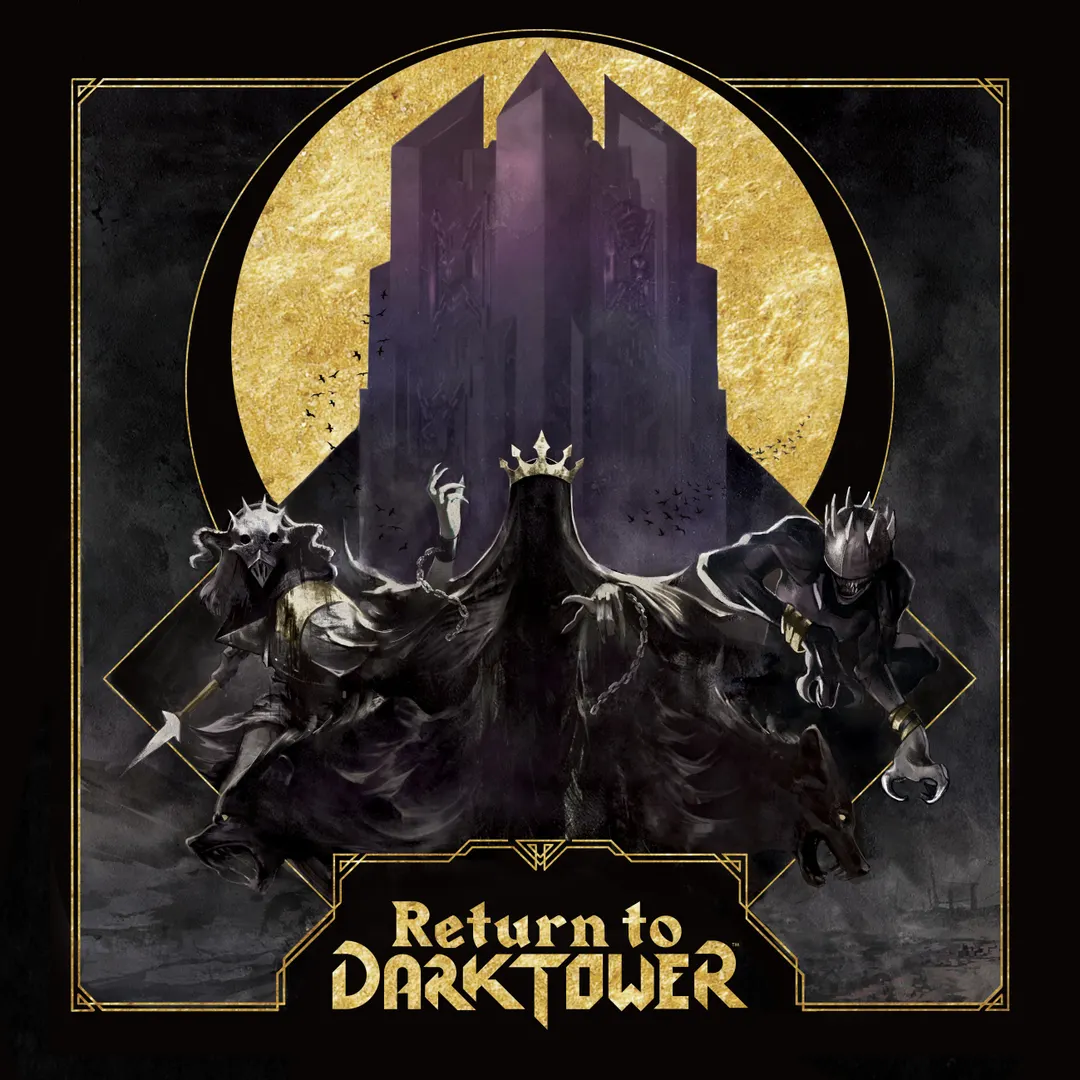
- Puesto en BGG
- BGG #230
- Puntuación BGG
- 8,2
Return to Dark Tower
- 1–4 jugadores
- 100–120 min
- Complejidad 2,7/5
- 2022
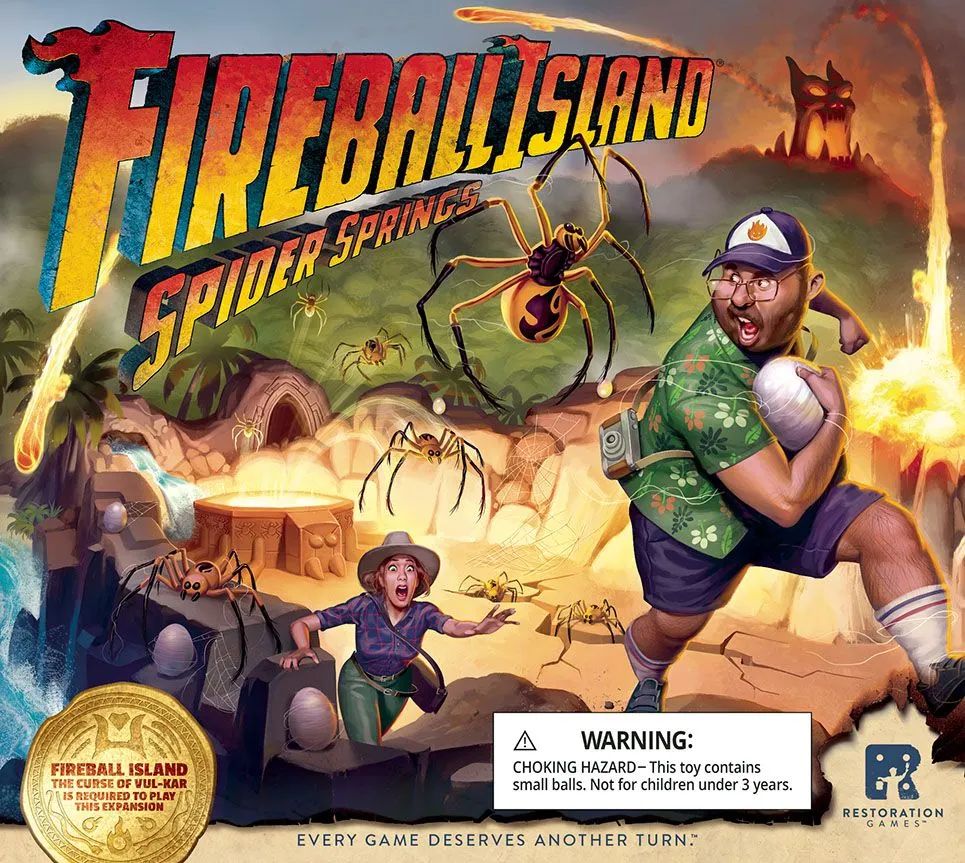
Expansión de Fireball Island: The Curse of Vul-Kar
2019
Ayuda con las reglas de Fireball Island: The Curse of Vul-Kar – Spider Springs
Explicaciones claras de turnos, efectos de cartas y situaciones dudosas, con referencias a fuentes oficiales e historial de preguntas guardado.
¿Qué quieres saber?
Las respuestas salen del reglamento oficial, con la página para comprobarlo.
Fireball Island: The Curse of Vul-Kar – Spider Springs es una expansión de Fireball Island: The Curse of Vul-Kar publicada en 2019 para 2–4 jugadores, con partidas de 30 a 60 minutos y a partir de 7 años. Fue diseñado por Rob Daviau y sus mecánicas principales son Take That, Push Your Luck y Area Movement.







En inglés
Fireball Island just got a whole lot bigger. There's just one problem: It's covered with spiders, and they have a nasty habit of "popping up" all over the place. Use the caves to get to the peninsula. Navigate the chasm to scoop up valuable spider eggs. Stop for a snapshot on the scenic bridge. But watch out! When Vul-Kar starts rumbling, the spiders start jumping! This expansion adds a new location to explore, a new kind of treasure to collect and a new hazard: spiders! Spiders are worth negative points at the end of the game. In the center of the chasm is a spring-loaded "spider launcher". Marbles can trigger the launcher, sending spiders around the chasm or into a crevasse, where they can make their way onto the main island. You'll even send spiders through Vul-Kar with the new Arachnoclysm action card. It even offers a new way to get off the island via a secret submarine. —description from the publisher
Según el catálogo, Fireball Island: The Curse of Vul-Kar – Spider Springs admite de 2 a 4 jugadores. Este intervalo corresponde al número de jugadores indicado por la editorial, así que el juego puede prepararse para cualquier grupo dentro de ese margen. La preparación, algunas reglas y la puntuación pueden variar según el número de jugadores; consulta la configuración exacta en el reglamento de tu edición.
La duración indicada para Fireball Island: The Curse of Vul-Kar – Spider Springs es de 30 a 60 minutos, la estimación de la editorial para una partida completa. El tiempo real depende del grupo, del número de jugadores y del conocimiento de las reglas: las primeras partidas suelen alargarse y los grupos con experiencia terminan antes. La preparación y la explicación de las reglas no están incluidas.
El catálogo indica Fireball Island: The Curse of Vul-Kar – Spider Springs a partir de 7 años. Es la recomendación de la editorial y refleja la lectura necesaria, la complejidad de las reglas y las piezas pequeñas, no solo el tema. Los más pequeños a menudo pueden jugar con ayuda de un adulto: comprueba la edad recomendada en tu edición y la experiencia de tu grupo.
Fireball Island: The Curse of Vul-Kar – Spider Springs tiene una puntuación de complejidad de 1,3 sobre 5 según los jugadores de BoardGameGeek, lo que lo convierte en un juego ligero. La puntuación refleja cuánto conocimiento de reglas, planificación y toma de decisiones exige una partida típica. Los juegos exigentes requieren una explicación inicial más larga, así que conviene usar una guía de preparación.
Fireball Island: The Curse of Vul-Kar – Spider Springs pertenece a estas categorías: Animals, Action / Dexterity y Adventure. Sus mecánicas principales son Take That, Push Your Luck y Area Movement. Las categorías describen el tema y la ambientación de un juego, mientras que las mecánicas describen lo que los jugadores hacen realmente en su turno. Cada mecánica lleva a una página del catálogo con juegos similares.
Los autores acreditados de Fireball Island: The Curse of Vul-Kar – Spider Springs son: Rob Daviau. Estos créditos proceden de los datos publicados del juego y nombran a las personas responsables de su diseño, no a ilustradores ni editoriales. Las páginas de autor de MeepleRules reúnen otros títulos de los mismos autores, algo útil cuando un juego te gusta y buscas otros parecidos.
El catálogo clasifica Fireball Island: The Curse of Vul-Kar – Spider Springs como expansión de Fireball Island: The Curse of Vul-Kar. Las expansiones añaden contenido, reglas o escenarios al juego base y normalmente no se pueden jugar solas, así que necesitas Fireball Island: The Curse of Vul-Kar para usarla. Comprueba que tu edición de Fireball Island: The Curse of Vul-Kar sea compatible, porque algunas expansiones se revisaron entre ediciones.