
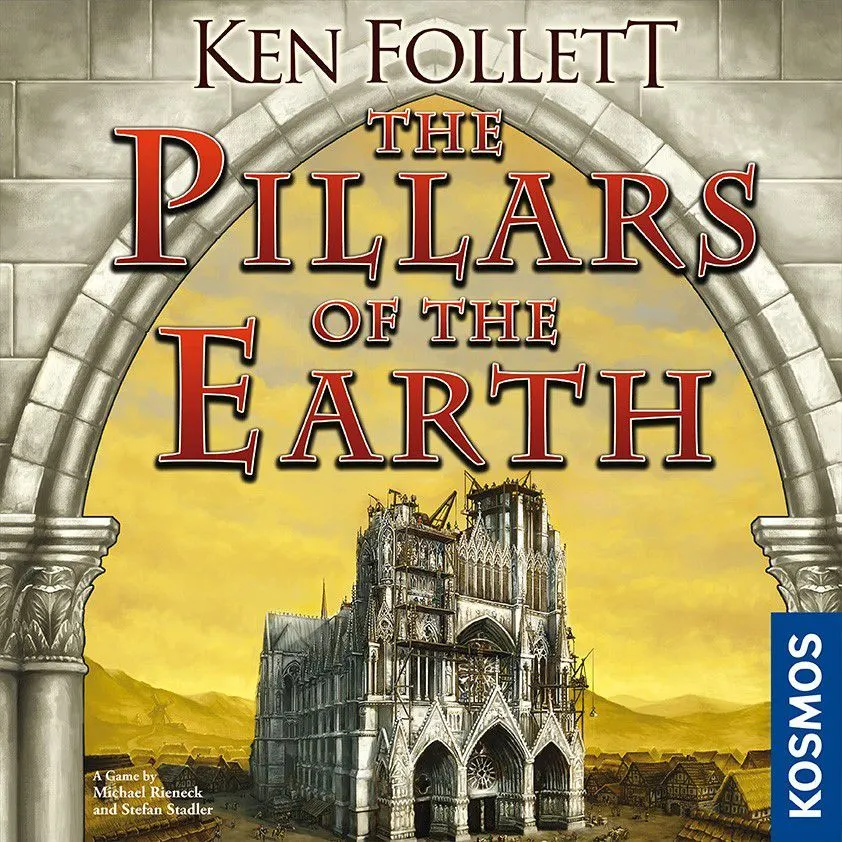
- Puesto en BGG
- BGG #487
- Puntuación BGG
- 7,3
The Pillars of the Earth
- 2–4 jugadores
- 90–120 min
- Complejidad 2,8/5
- 2006
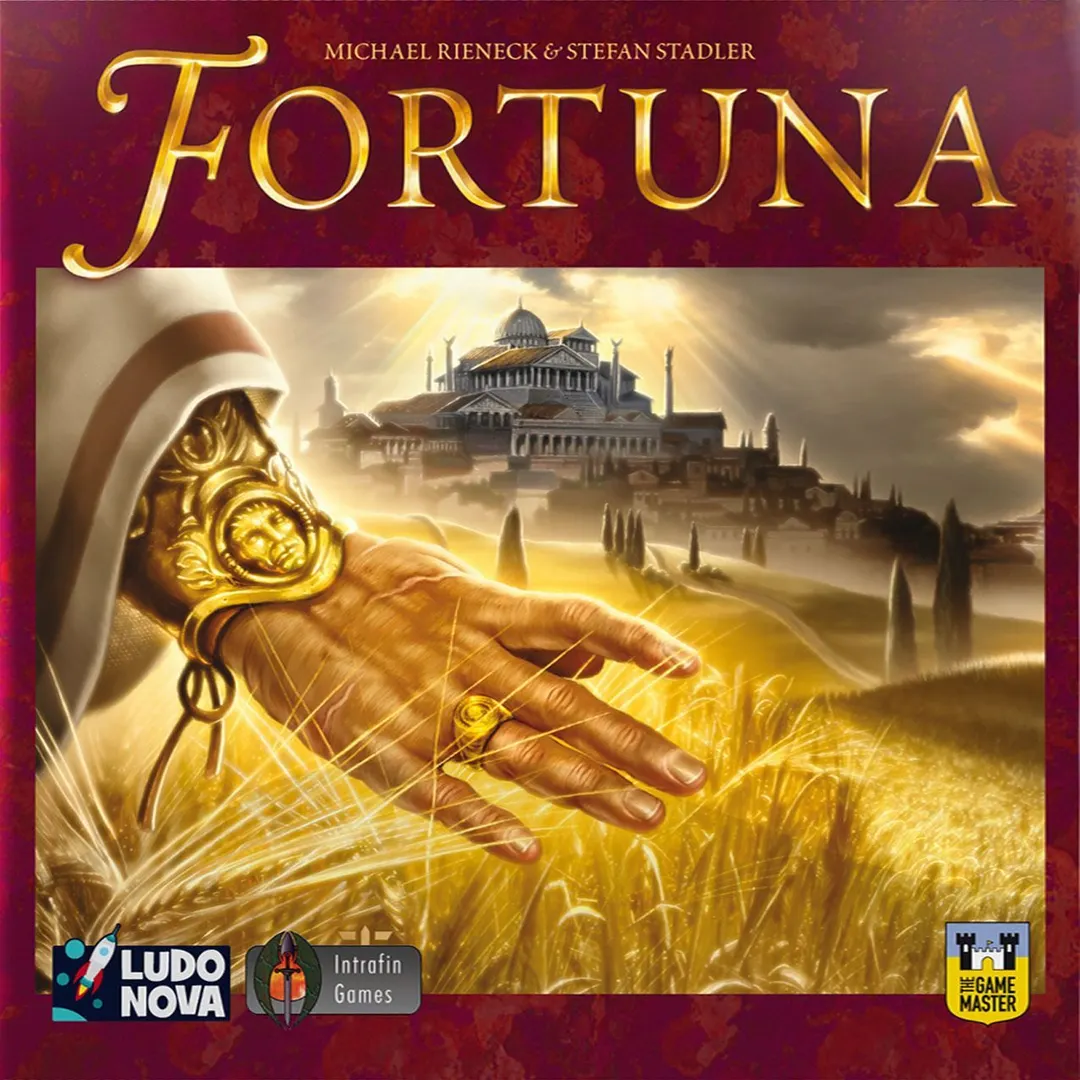
2011
Ayuda con las reglas de Fortuna
Explicaciones claras de turnos, efectos de cartas y situaciones dudosas, con referencias a fuentes oficiales e historial de preguntas guardado.
Para 2 jugadores
¿Qué quieres saber?
Las respuestas salen del reglamento oficial, con la página para comprobarlo.
Fortuna es un juego de mesa publicado en 2011 para 2–4 jugadores, con partidas de 60 minutos y a partir de 10 años. Fue diseñado por Michael Rieneck y Stefan Stadler y sus mecánicas principales son Hand Management, Dice Rolling y Point to Point Movement.


En inglés
Fortuna is situated in the Roman Empire, during Caesar's reign. The players are ambitious Romans striving for influence in the Roman Empire. While striving for power, happiness and wealth, they leave their own village and travel towards the City of Rome. The road to Rome is long and there are many ways to reach your life purpose. As a hardworking farmer you can work the land and grow large quantities of grain and wine. A clever farmer irrigates the land to improve the yield of his harvest. Trading your harvested goods for the best price may bring you the means to move up the ladder of the Roman hierarchy. When will you decide to move on and buy yourself an army of Centurions? Or will you choose the sacred way of Religion and serve the ruthless Roman Gods? Along the way, you will have the opportunity to find happiness and wealth in marriage. Will you take this chance to become happy or not? If you contribute well to the Roman Empire, you will grow in the favor of the Emperor and move further to Rome. Will the citizens of Rome welcome you jubilantly? Coming nearer to Rome and the Emperor's Palace the tension in the game becomes higher. Which of the players has contributed most to the Empire? And which of the players has saved the city in times of crisis? Just when water and food supplies become exhausted or Centurions are needed to protect Rome against a hostile invasion, only the most prestigious Romans show their courage and value. The Emperor will reward this Roman with golden Fortuna coins, and the deeper the crisis, the richer the reward. When a player has reached the centre of Rome, only the player who has done most for the Emperor and the People of Rome will become Victorious. Make sure to be in the City of Rome so you are able to take that triumphal march to Victory! How to win the game? The player with the highest number of Victory Points at the end of the game wins. The game ends when one player gets to the Center of Rome (the Palace of the Emperor), then this final round is completed. Scoring in the game is partly based on the number of steps you have made towards Rome = each step is one VP. The other Victory Points are scored by collecting the right combination of privilege cards and resources. The VP scored with the privately held privilege cards stays a secret till the end of the game when the total scoring is revealed.
Según el catálogo, Fortuna admite de 2 a 4 jugadores. Este intervalo corresponde al número de jugadores indicado por la editorial, así que el juego puede prepararse para cualquier grupo dentro de ese margen. La preparación, algunas reglas y la puntuación pueden variar según el número de jugadores; consulta la configuración exacta en el reglamento de tu edición.
La duración indicada para Fortuna es de 60 minutos, la estimación de la editorial para una partida completa. El tiempo real depende del grupo, del número de jugadores y del conocimiento de las reglas: las primeras partidas suelen alargarse y los grupos con experiencia terminan antes. La preparación y la explicación de las reglas no están incluidas.
El catálogo indica Fortuna a partir de 10 años. Es la recomendación de la editorial y refleja la lectura necesaria, la complejidad de las reglas y las piezas pequeñas, no solo el tema. Los más pequeños a menudo pueden jugar con ayuda de un adulto: comprueba la edad recomendada en tu edición y la experiencia de tu grupo.
Fortuna tiene una puntuación de complejidad de 2,4 sobre 5 según los jugadores de BoardGameGeek, lo que lo convierte en un juego algo ligero. La puntuación refleja cuánto conocimiento de reglas, planificación y toma de decisiones exige una partida típica. Los juegos exigentes requieren una explicación inicial más larga, así que conviene usar una guía de preparación.
Fortuna pertenece a estas categorías: Ancient. Sus mecánicas principales son Hand Management, Dice Rolling y Point to Point Movement. Las categorías describen el tema y la ambientación de un juego, mientras que las mecánicas describen lo que los jugadores hacen realmente en su turno. Cada mecánica lleva a una página del catálogo con juegos similares.
Los autores acreditados de Fortuna son: Michael Rieneck y Stefan Stadler. Estos créditos proceden de los datos publicados del juego y nombran a las personas responsables de su diseño, no a ilustradores ni editoriales. Las páginas de autor de MeepleRules reúnen otros títulos de los mismos autores, algo útil cuando un juego te gusta y buscas otros parecidos.
El catálogo clasifica Fortuna como juego base. Se juega por sí solo con los componentes de la caja y no requiere ningún otro título. Las expansiones, si existen, añaden contenido o reglas nuevas y aparecen por separado en el catálogo con un enlace a este juego base.