
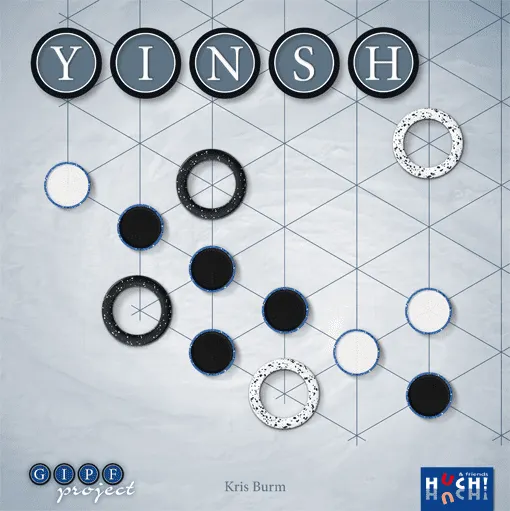
- Puesto en BGG
- BGG #262
- Puntuación BGG
- 7,7
YINSH
- 2 jugadores
- 30–60 min
- Complejidad 2,6/5
- 2003
Ayuda con las reglas de GIPF Project Set 1
Explicaciones claras de turnos, efectos de cartas y situaciones dudosas, con referencias a fuentes oficiales e historial de preguntas guardado.
¿Qué quieres saber?
Las respuestas salen del reglamento oficial, con la página para comprobarlo.
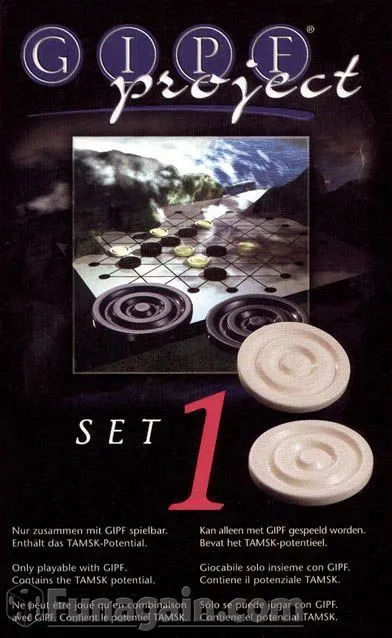
GIPF Project Set 1 es una expansión de GIPF publicada en 1999 para 2 jugadores, con partidas de 120 minutos y a partir de 9 años. Fue diseñado por Kris Burm y sus mecánicas principales son Grid Movement y Pattern Building.
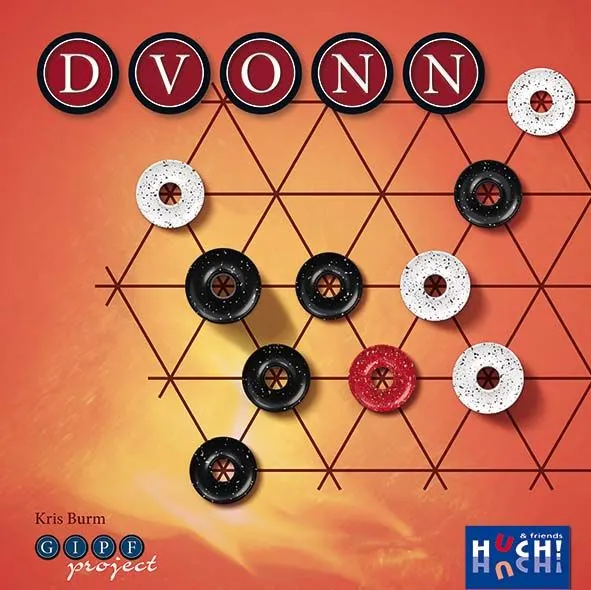
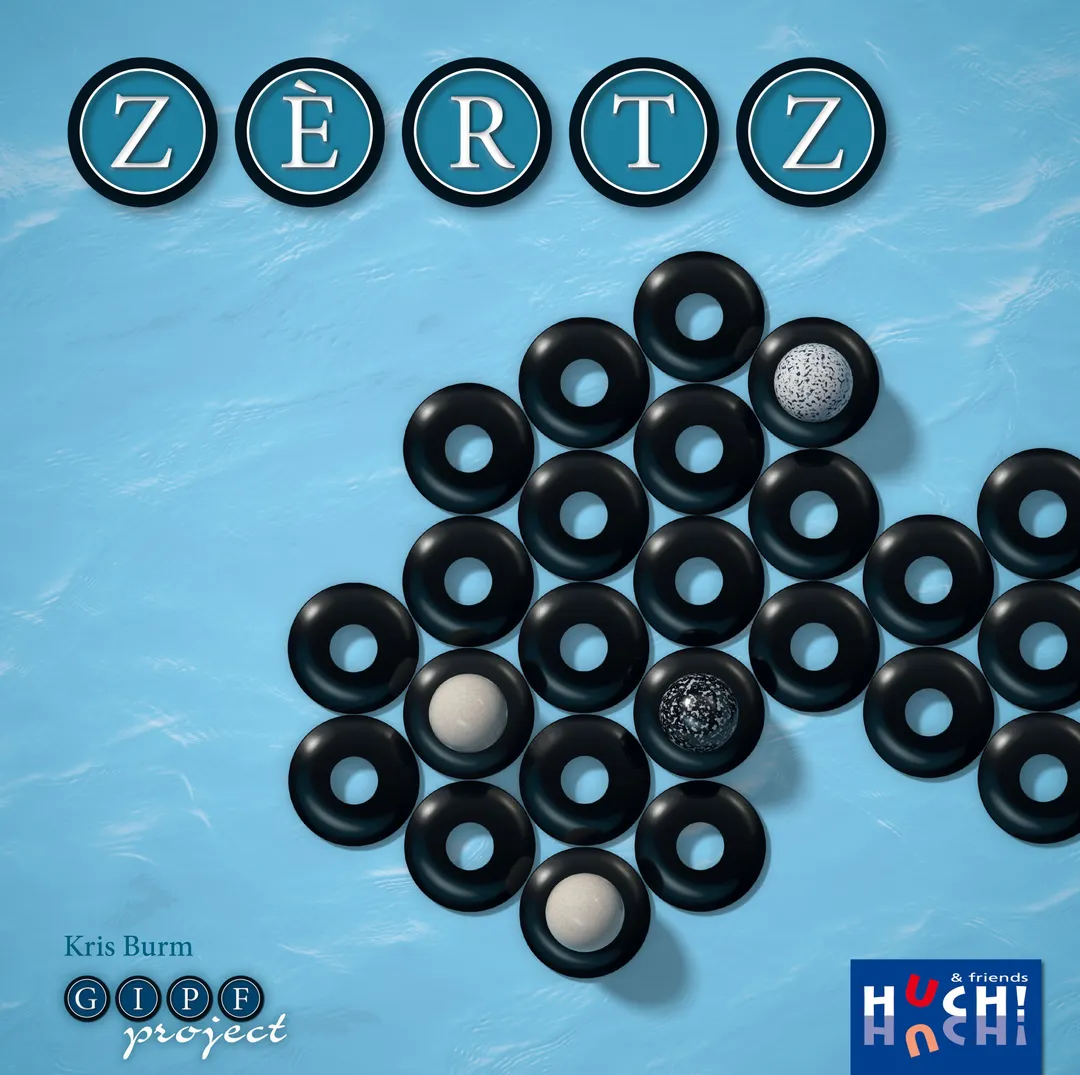
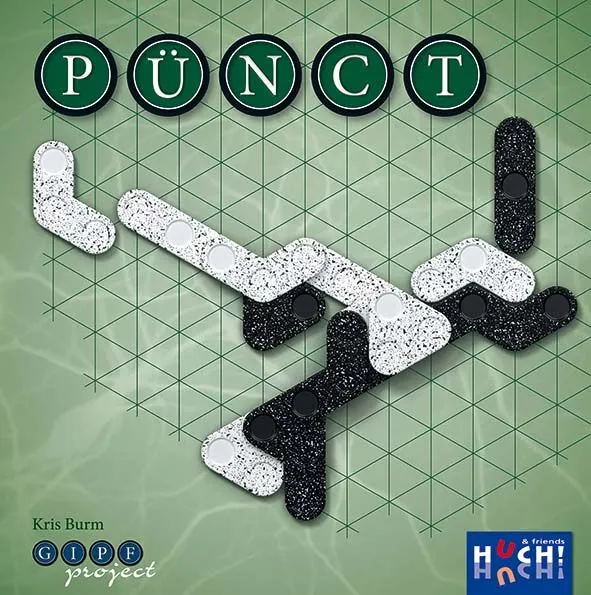
En inglés
This is an expansion for GIPF. Contents: 6 TAMSK-potentials for each player See the project GIPF wiki page for more details on the potentials' powers. The TAMSK-potential is the first additional piece of project GIPF. It is named after the game TAMSK and offers new ways to play GIPF. The TAMSK-potential can grant its owner an extra move during a turn. A clarifying note from designer Kris Burm about the GIPF Project expansion Set #1 and the TAMSK potentials included with the TAMSK game: As you maybe know, enclosed in the TAMSK box are 3 white and 3 black TAMSK-potentials. These are samples. You need a minimum of 3 potentials of each color to get a feeling of how they change a game of GIPF. The GIPF Project Expansion Set #1 contains 12 TAMSK-potentials; 6 potentials per color is the standard number to play with. The kit is meant to give players who like playing with the potentials the possibility to get more potentials without needing to buy a second game of TAMSK. That aside, it is also meant to serve those who want to find out what potentials are all about without needing to purchase TAMSK. This is part of project GIPF. Expands: GIPF
Según el catálogo, GIPF Project Set 1 admite 2 jugadores. Es el número de jugadores indicado por la editorial, así que el juego está diseñado exactamente para esa cantidad de participantes. Las variantes para otros tamaños de grupo, si existen, se describen en el reglamento de tu edición; consúltalo antes de preparar otra configuración.
La duración indicada para GIPF Project Set 1 es de 120 minutos, la estimación de la editorial para una partida completa. El tiempo real depende del grupo, del número de jugadores y del conocimiento de las reglas: las primeras partidas suelen alargarse y los grupos con experiencia terminan antes. La preparación y la explicación de las reglas no están incluidas.
El catálogo indica GIPF Project Set 1 a partir de 9 años. Es la recomendación de la editorial y refleja la lectura necesaria, la complejidad de las reglas y las piezas pequeñas, no solo el tema. Los más pequeños a menudo pueden jugar con ayuda de un adulto: comprueba la edad recomendada en tu edición y la experiencia de tu grupo.
GIPF Project Set 1 tiene una puntuación de complejidad de 3,2 sobre 5 según los jugadores de BoardGameGeek, lo que lo convierte en un juego de complejidad media. La puntuación refleja cuánto conocimiento de reglas, planificación y toma de decisiones exige una partida típica. Los juegos exigentes requieren una explicación inicial más larga, así que conviene usar una guía de preparación.
GIPF Project Set 1 pertenece a estas categorías: Abstract Strategy y Expansion for Base-game. Sus mecánicas principales son Grid Movement y Pattern Building. Las categorías describen el tema y la ambientación de un juego, mientras que las mecánicas describen lo que los jugadores hacen realmente en su turno. Cada mecánica lleva a una página del catálogo con juegos similares.
Los autores acreditados de GIPF Project Set 1 son: Kris Burm. Estos créditos proceden de los datos publicados del juego y nombran a las personas responsables de su diseño, no a ilustradores ni editoriales. Las páginas de autor de MeepleRules reúnen otros títulos de los mismos autores, algo útil cuando un juego te gusta y buscas otros parecidos.
El catálogo clasifica GIPF Project Set 1 como expansión de GIPF. Las expansiones añaden contenido, reglas o escenarios al juego base y normalmente no se pueden jugar solas, así que necesitas GIPF para usarla. Comprueba que tu edición de GIPF sea compatible, porque algunas expansiones se revisaron entre ediciones.