- Puesto en BGG
- BGG #99
- Puntuación BGG
- 7,7
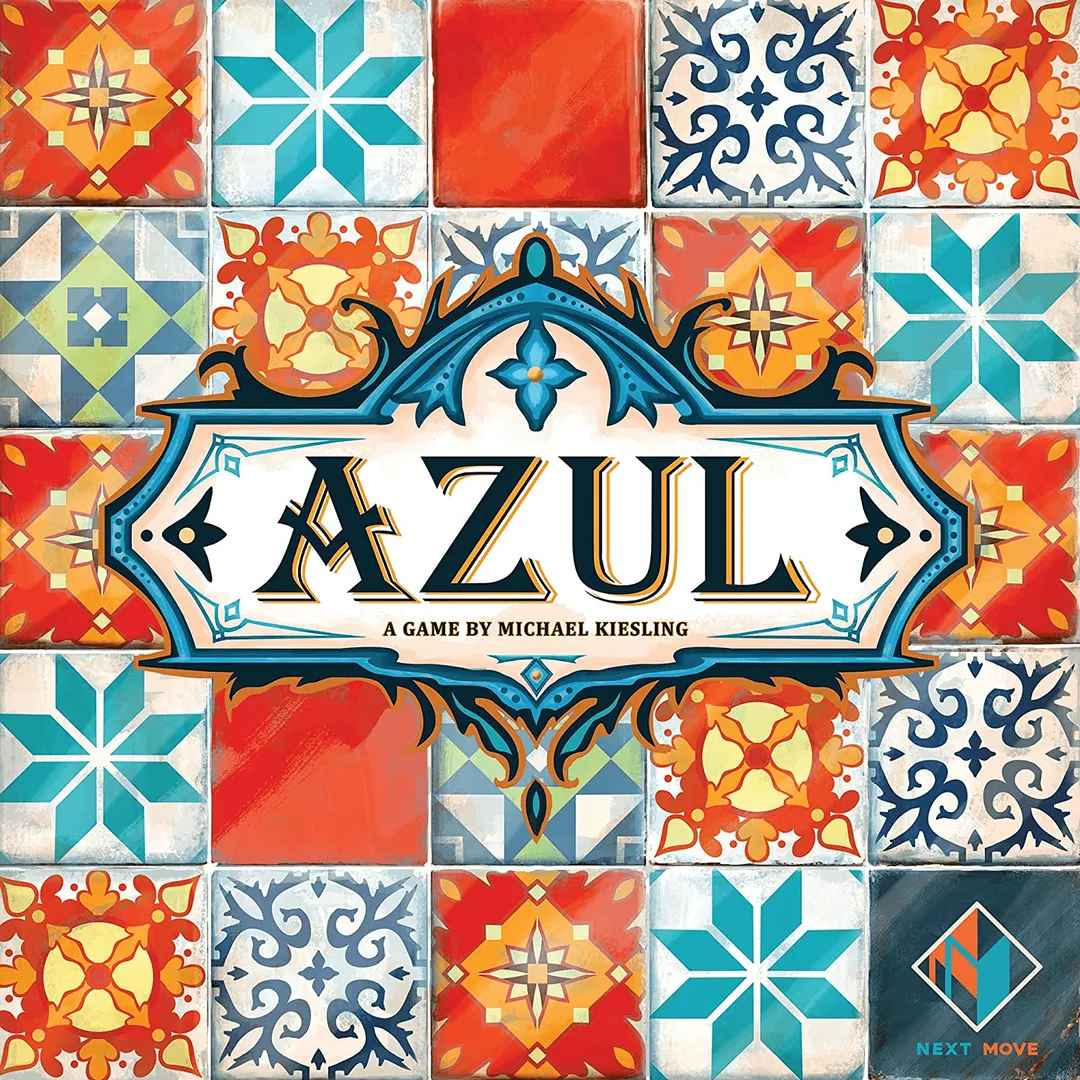
Azul
- 2–4 jugadores
- 30–45 min
- Complejidad 1,8/5
- 2017
700
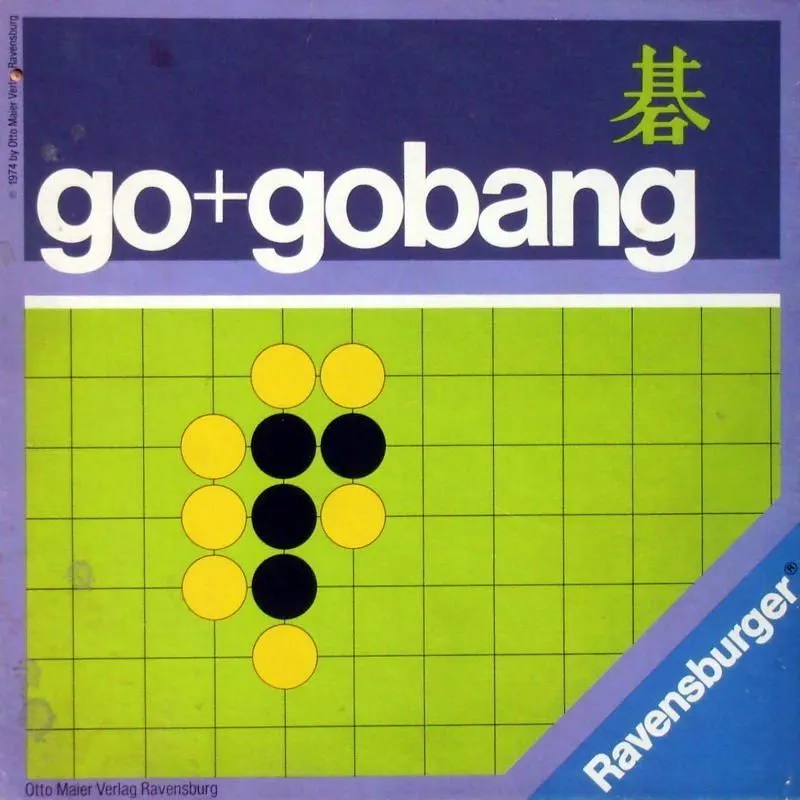
Ayuda con las reglas de Go-Moku
Explicaciones claras de turnos, efectos de cartas y situaciones dudosas, con referencias a fuentes oficiales e historial de preguntas guardado.
Para 2 jugadores
¿Qué quieres saber?
Las respuestas salen del reglamento oficial, con la página para comprobarlo.
Go-Moku es un juego de mesa publicado en 700 para 2 jugadores, con partidas de 5 minutos y a partir de 8 años. Sus mecánicas principales son Square Grid y Pattern Building.




En inglés
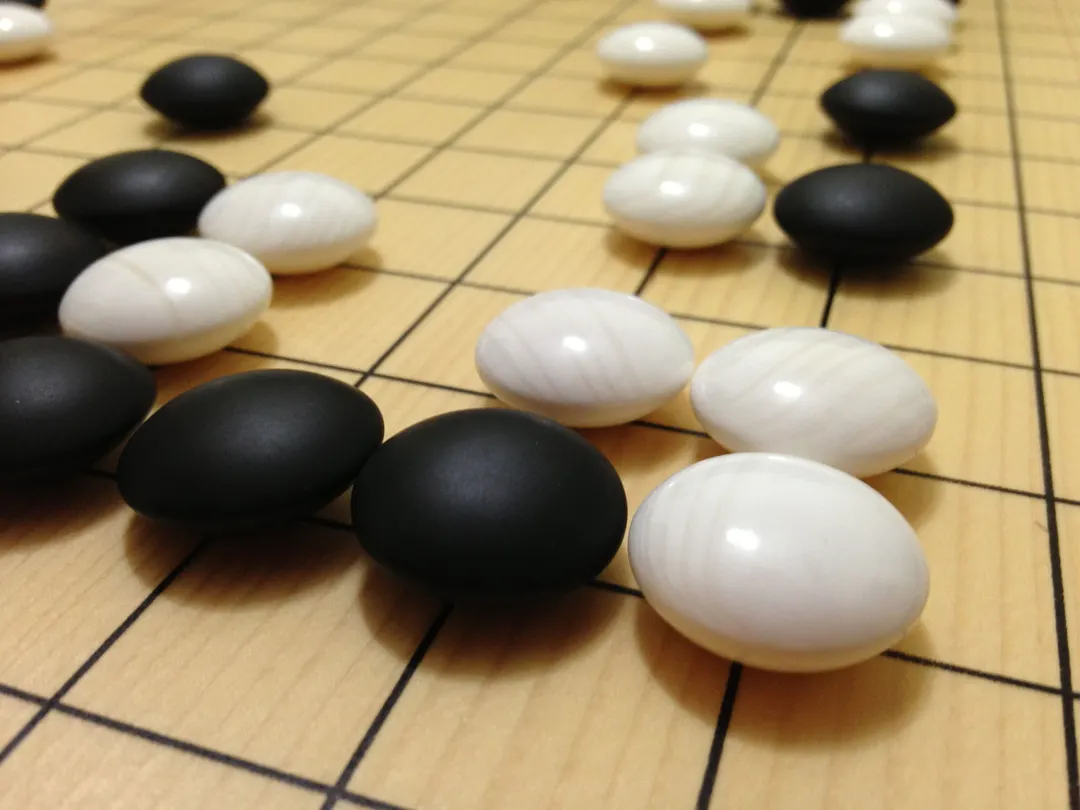
"Go-Moku" (Japanese - also spelled "Gomoku") or "wuziqi" (Chinese) is a very old game played with a Go set. The game can also be played on a sheet of graph paper using X's and O's. It is similar in idea to tic-tac-toe, but far greater in scale and complexity. The name means "five points." It is debated whether this game originated in China or Japan, with more evidence pointing to the former. The object is to get five stones in a row. The game is played on a 19x19 board (such as the board used in Go), creating a large and open field to complete this objective. The game can also be played on a smaller board, such as the popular 15x15 option. If played perfectly, Black (who goes first) can always win the game. Even before this was proven, the game was recognized to be easier for Black. This problem is solved with the swap2 opening setup: place two black and a white stone; the other player then can take the white stones and play, take the black stones and pass, or place one more of each stone and give you the final choice. From then on play as normal, no need for during-play restrictions on black as in Renju which was often seen as the adult contemporary to the kids' Go-Moku.
Según el catálogo, Go-Moku admite 2 jugadores. Es el número de jugadores indicado por la editorial, así que el juego está diseñado exactamente para esa cantidad de participantes. Las variantes para otros tamaños de grupo, si existen, se describen en el reglamento de tu edición; consúltalo antes de preparar otra configuración.
La duración indicada para Go-Moku es de 5 minutos, la estimación de la editorial para una partida completa. El tiempo real depende del grupo, del número de jugadores y del conocimiento de las reglas: las primeras partidas suelen alargarse y los grupos con experiencia terminan antes. La preparación y la explicación de las reglas no están incluidas.
El catálogo indica Go-Moku a partir de 8 años. Es la recomendación de la editorial y refleja la lectura necesaria, la complejidad de las reglas y las piezas pequeñas, no solo el tema. Los más pequeños a menudo pueden jugar con ayuda de un adulto: comprueba la edad recomendada en tu edición y la experiencia de tu grupo.
Go-Moku tiene una puntuación de complejidad de 1,8 sobre 5 según los jugadores de BoardGameGeek, lo que lo convierte en un juego ligero. La puntuación refleja cuánto conocimiento de reglas, planificación y toma de decisiones exige una partida típica. Los juegos exigentes requieren una explicación inicial más larga, así que conviene usar una guía de preparación.
Go-Moku pertenece a estas categorías: Abstract Strategy. Sus mecánicas principales son Square Grid y Pattern Building. Las categorías describen el tema y la ambientación de un juego, mientras que las mecánicas describen lo que los jugadores hacen realmente en su turno. Cada mecánica lleva a una página del catálogo con juegos similares.
El catálogo clasifica Go-Moku como juego base. Se juega por sí solo con los componentes de la caja y no requiere ningún otro título. Las expansiones, si existen, añaden contenido o reglas nuevas y aparecen por separado en el catálogo con un enlace a este juego base.


