
- Puntuación BGG
- 7,7
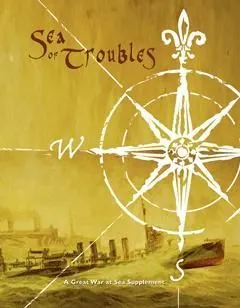
Great War at Sea: Sea of Troubles
- 2 jugadores
- 120 min
- Complejidad 2,9/5
- 2007

2006
Ayuda con las reglas de Great War at Sea: Jutland
Explicaciones claras de turnos, efectos de cartas y situaciones dudosas, con referencias a fuentes oficiales e historial de preguntas guardado.
Para 2 jugadores
¿Qué quieres saber?
Las respuestas salen del reglamento oficial, con la página para comprobarlo.
Great War at Sea: Jutland es un juego de mesa publicado en 2006 para 2 jugadores, con partidas de 30 a 120 minutos y a partir de 12 años. Fue diseñado por Michael Bennighof y Doug McNair y sus mecánicas principales son Dice Rolling, Secret Unit Deployment y Paper-and-Pencil.










En inglés
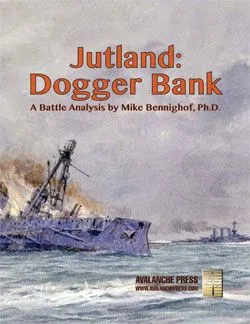
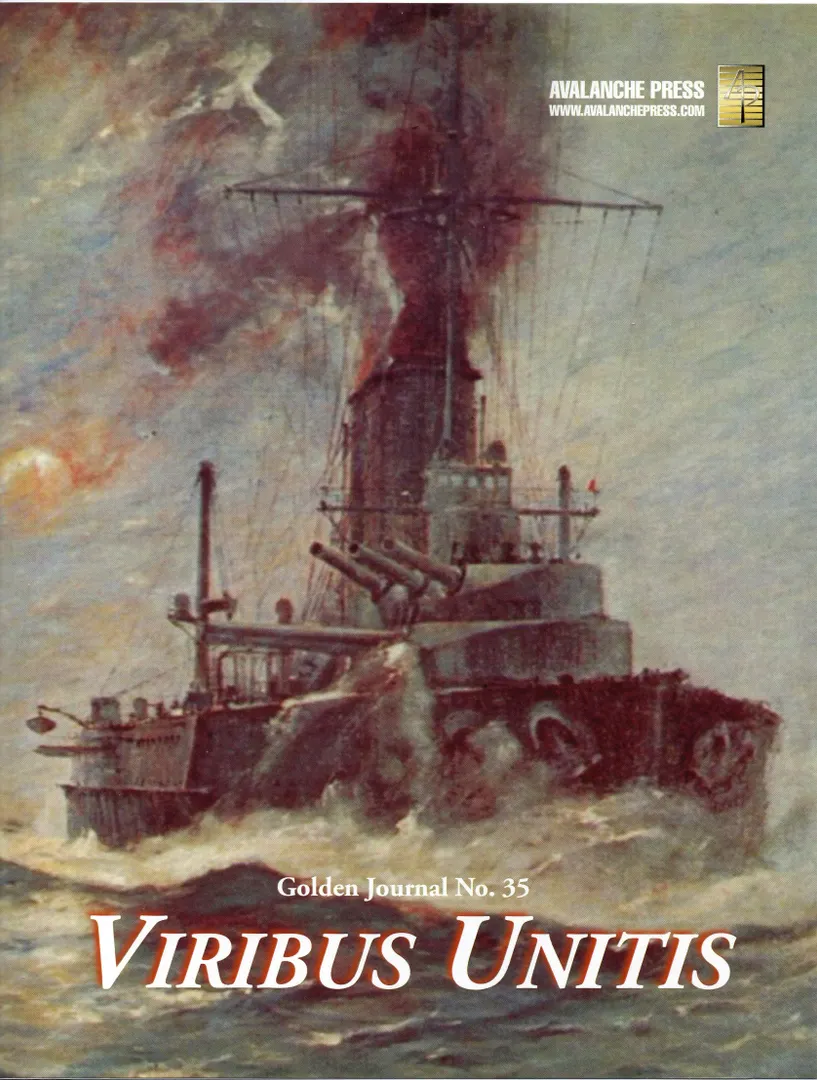
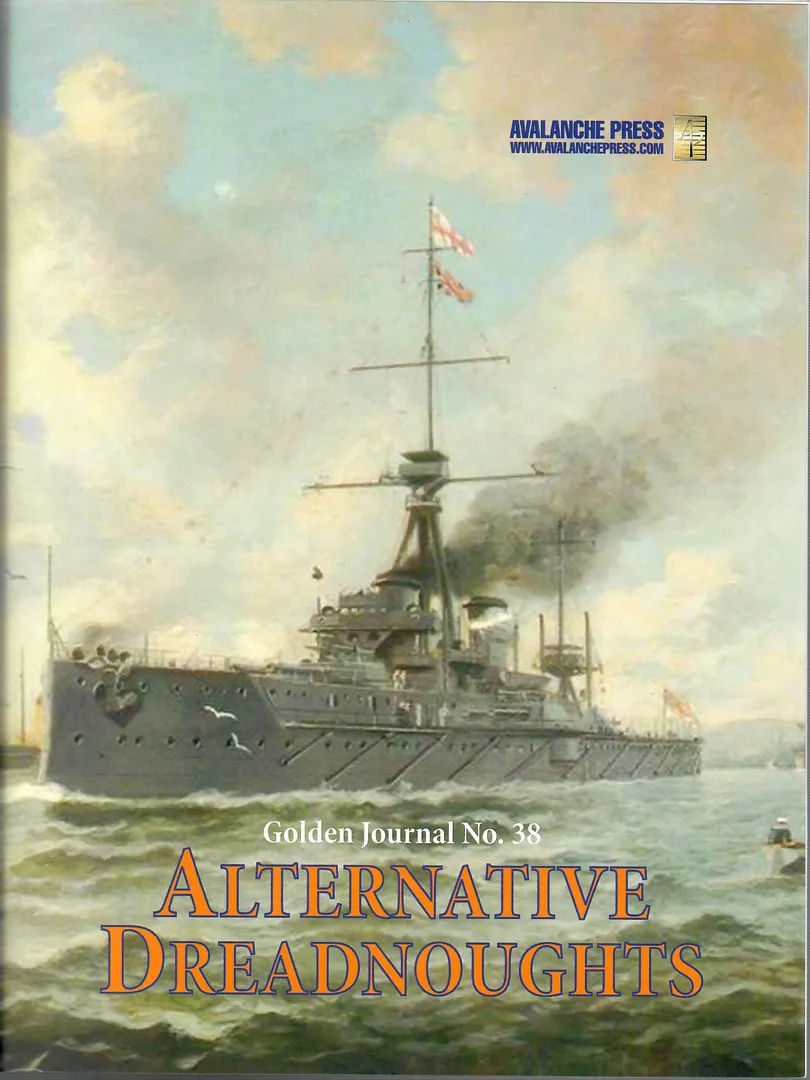
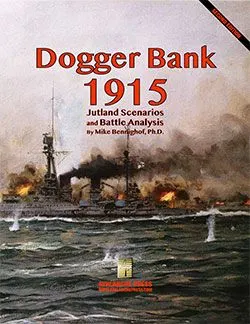
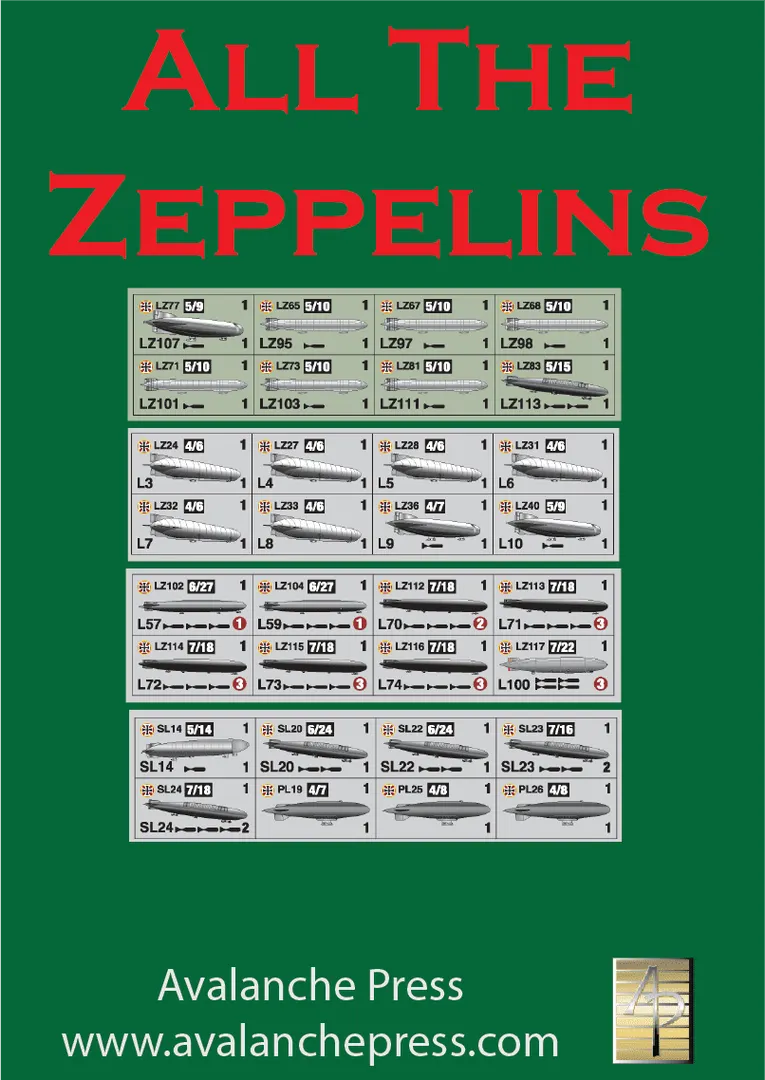
From the Avalanche Press website: History’s best-known naval battle was just one part of the ongoing four-year struggle to control the seas around Germany’s coasts. If the German High Seas Fleet could catch and destroy a portion of the much larger British Grand Fleet, the blockade suffocating Imperial Germany might finally be broken. Great War at Sea: Jutland is an extensively updated version of the earlier GWAS Vol. II: The North and Baltic Seas published in 1998. It covers not only the signature battle, but also the many other sorties of the High Seas Fleet like the Scarborough, Lowestoft and Gorleston Raids, the Battle of Dogger Bank and Helgoland Bight. Like all games in the Series: Great War at Sea (Avalanche Press) series, this one is packed with scenarios. Along with the operations in the North Sea, the game also includes the bitterly-fought naval war in the Baltic Sea. Here the roles are reversed, with the smaller Imperial Russian Navy aggressively seeking an advantage against the larger German forces. The Russian cruiser raids are all covered, as well as the climactic Battle of Moon Sound. The scenario book includes not only more than 40 scenarios, it’s packed with the background information about the ships, the men and the battles. The map covers the North and Baltic Seas, as well as the waters around the British Isles; it’s a bit larger than the map in the previous edition. The smaller navies of the region are all represented as well: Sweden, Norway, Denmark, the Netherlands. But it’s the major powers that get most of the ships. The Royal Navy is huge, with ships ranging from ancient paddle-driven minesweepers to modern battle cruisers like Repulse and Renown. Famous ships like the battleships Dreadnought and Iron Duke, the inaptly-named battle cruiser Invincible, and early aircraft carriers like Engadine and Argus are all here. The German High Seas Fleet has all the ships that challenged England, from the tiny coast defense ship Siegfried up to the huge battleships Sachsen and Württemburg. The Germans have zeppelins and submarines to help redress the balance somewhat, but it will take skilled play to overcome Britain’s sea dogs. Russia has modern dreadnoughts, but will depend on her armored cruisers and a squadron of older battleships for most missions. As with other games in the series, the tactical map is a generic blue field of hexagons, used to resolve surface combat. There, ships maneuver and fight using their gunnery and torpedo factors. Each player rolls a number of dice according to the ship’s capabilities, hitting on a result of 6. Gunnery and torpedo damage tables give the results: ships can suffer damage to engines, hull or armament. 32 miles/sea zone campaign scale 420 1-inch counters, 420 1/2-inch counters 34" x 22" operational map 24" x 24" tactical map 16 page rules, 128 page scenario book
Según el catálogo, Great War at Sea: Jutland admite 2 jugadores. Es el número de jugadores indicado por la editorial, así que el juego está diseñado exactamente para esa cantidad de participantes. Las variantes para otros tamaños de grupo, si existen, se describen en el reglamento de tu edición; consúltalo antes de preparar otra configuración.
La duración indicada para Great War at Sea: Jutland es de 30 a 120 minutos, la estimación de la editorial para una partida completa. El tiempo real depende del grupo, del número de jugadores y del conocimiento de las reglas: las primeras partidas suelen alargarse y los grupos con experiencia terminan antes. La preparación y la explicación de las reglas no están incluidas.
El catálogo indica Great War at Sea: Jutland a partir de 12 años. Es la recomendación de la editorial y refleja la lectura necesaria, la complejidad de las reglas y las piezas pequeñas, no solo el tema. Los más pequeños a menudo pueden jugar con ayuda de un adulto: comprueba la edad recomendada en tu edición y la experiencia de tu grupo.
Great War at Sea: Jutland tiene una puntuación de complejidad de 3,1 sobre 5 según los jugadores de BoardGameGeek, lo que lo convierte en un juego de complejidad media. La puntuación refleja cuánto conocimiento de reglas, planificación y toma de decisiones exige una partida típica. Los juegos exigentes requieren una explicación inicial más larga, así que conviene usar una guía de preparación.
Great War at Sea: Jutland pertenece a estas categorías: Wargame, Nautical y World War I. Sus mecánicas principales son Dice Rolling, Secret Unit Deployment y Paper-and-Pencil. Las categorías describen el tema y la ambientación de un juego, mientras que las mecánicas describen lo que los jugadores hacen realmente en su turno. Cada mecánica lleva a una página del catálogo con juegos similares.
Los autores acreditados de Great War at Sea: Jutland son: Michael Bennighof y Doug McNair. Estos créditos proceden de los datos publicados del juego y nombran a las personas responsables de su diseño, no a ilustradores ni editoriales. Las páginas de autor de MeepleRules reúnen otros títulos de los mismos autores, algo útil cuando un juego te gusta y buscas otros parecidos.
El catálogo clasifica Great War at Sea: Jutland como juego base. Se juega por sí solo con los componentes de la caja y no requiere ningún otro título. Las expansiones, si existen, añaden contenido o reglas nuevas y aparecen por separado en el catálogo con un enlace a este juego base.