

- Puesto en BGG
- BGG #14.920
- Puntuación BGG
- 7,6
Foreign Legion Paratroopers: Rapid Response Force
- 1–2 jugadores
- Complejidad 3,2/5
- 2020

2013
Ayuda con las reglas de Holyland: Full Spectrum Warfare in the Middle East
Explicaciones claras de turnos, efectos de cartas y situaciones dudosas, con referencias a fuentes oficiales e historial de preguntas guardado.
¿Qué quieres saber?
Las respuestas salen del reglamento oficial, con la página para comprobarlo.
Holyland: Full Spectrum Warfare in the Middle East es un juego de mesa publicado en 2013 para 1–3 jugadores. Fue diseñado por Joseph Miranda y sus mecánicas principales son Dice Rolling, Point to Point Movement y Simulation.




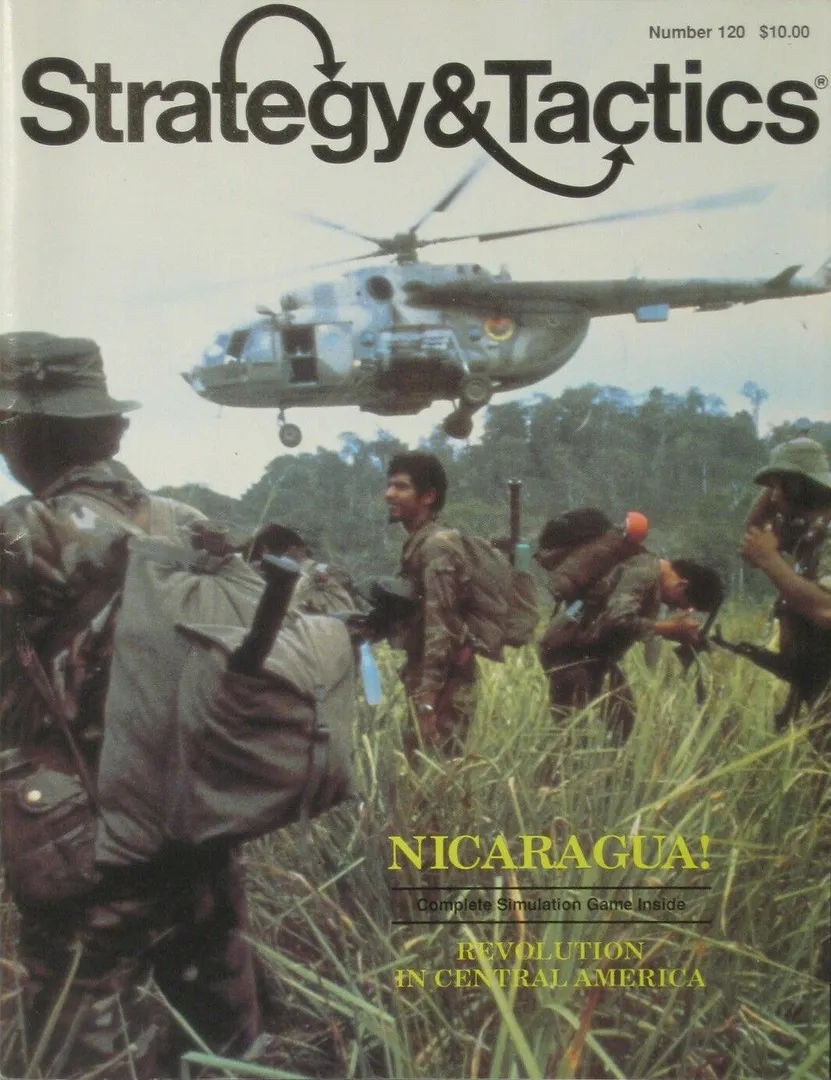

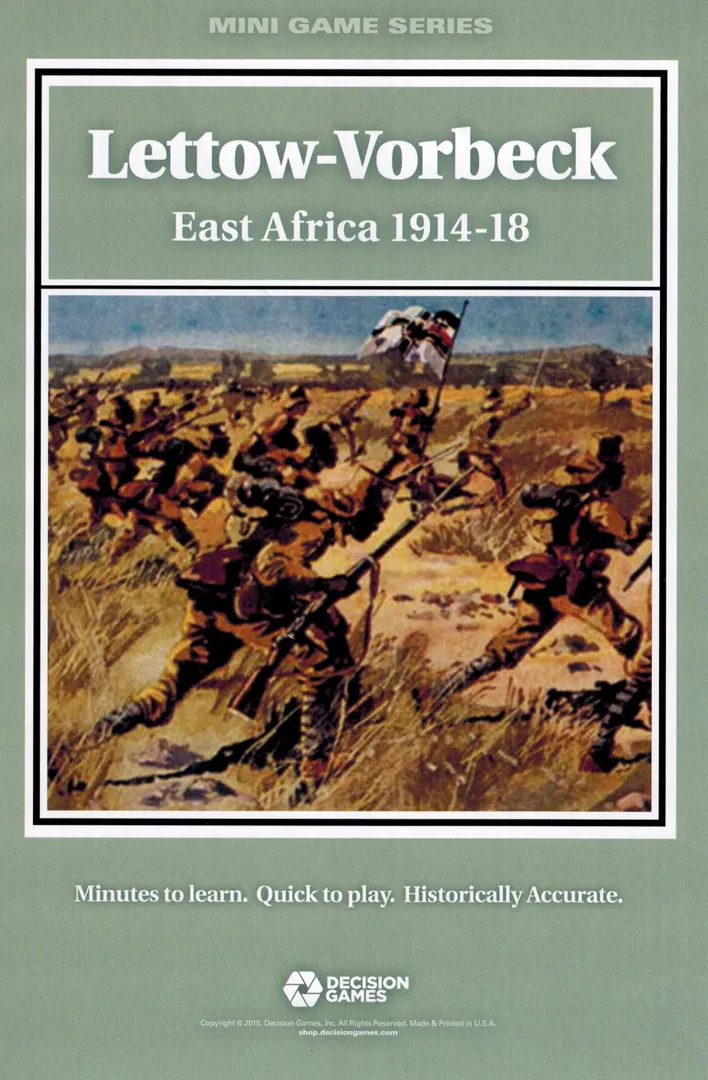
En inglés
From the editor's website: The premise of Holy Land is that there is a revitalization of the militant Arab world. They then challenge the Israelis, using not only conventional military forces, but also the full spectrum of conflict, including insurgency and terrorism. The game includes several possible scenario options for different types of conflict. Holy Land game shows some of the major factors involved. The Holy Land game system is based upon Decision: Iraq; there are two players in Holy Land, various Arab powers and foreign fighters, the latter possibly including Al Qaeda and Iranian support, among others, and the Israelis, with possible coalition support. Both players have a set of pieces that represent both conventional and unconventional forces. Players move their pieces across the spaces on the map and engage in various kinds of conflict in order to destroy enemy forces, seize critical objectives, and change the Netwar Index, which is an index used to indicate how successful each side has been in meeting their goals. Furthermore, one unique feature of the Holy Land is that as units engage in combat, their effectiveness may increase or decrease as they gain experience in fighting, or become demoralized. The game map shows Israel and adjoining countries, divided into large rectangular boxes known as regions, representing the general geography of the area. Players deploy their units into region boxes, into the “Open” area. Each region box The game includes two maps (22x34”) and 352 counters.
Según el catálogo, Holyland: Full Spectrum Warfare in the Middle East admite de 1 a 3 jugadores. Este intervalo corresponde al número de jugadores indicado por la editorial, así que el juego puede prepararse para cualquier grupo dentro de ese margen. La preparación, algunas reglas y la puntuación pueden variar según el número de jugadores; consulta la configuración exacta en el reglamento de tu edición.
Holyland: Full Spectrum Warfare in the Middle East tiene una puntuación de complejidad de 3,0 sobre 5 según los jugadores de BoardGameGeek, lo que lo convierte en un juego de complejidad media. La puntuación refleja cuánto conocimiento de reglas, planificación y toma de decisiones exige una partida típica. Los juegos exigentes requieren una explicación inicial más larga, así que conviene usar una guía de preparación.
Holyland: Full Spectrum Warfare in the Middle East pertenece a estas categorías: Wargame y Modern Warfare. Sus mecánicas principales son Dice Rolling, Point to Point Movement y Simulation. Las categorías describen el tema y la ambientación de un juego, mientras que las mecánicas describen lo que los jugadores hacen realmente en su turno. Cada mecánica lleva a una página del catálogo con juegos similares.
Los autores acreditados de Holyland: Full Spectrum Warfare in the Middle East son: Joseph Miranda. Estos créditos proceden de los datos publicados del juego y nombran a las personas responsables de su diseño, no a ilustradores ni editoriales. Las páginas de autor de MeepleRules reúnen otros títulos de los mismos autores, algo útil cuando un juego te gusta y buscas otros parecidos.
El catálogo clasifica Holyland: Full Spectrum Warfare in the Middle East como juego base. Se juega por sí solo con los componentes de la caja y no requiere ningún otro título. Las expansiones, si existen, añaden contenido o reglas nuevas y aparecen por separado en el catálogo con un enlace a este juego base.