

- Puesto en BGG
- BGG #22.775
- Puntuación BGG
- 6,2
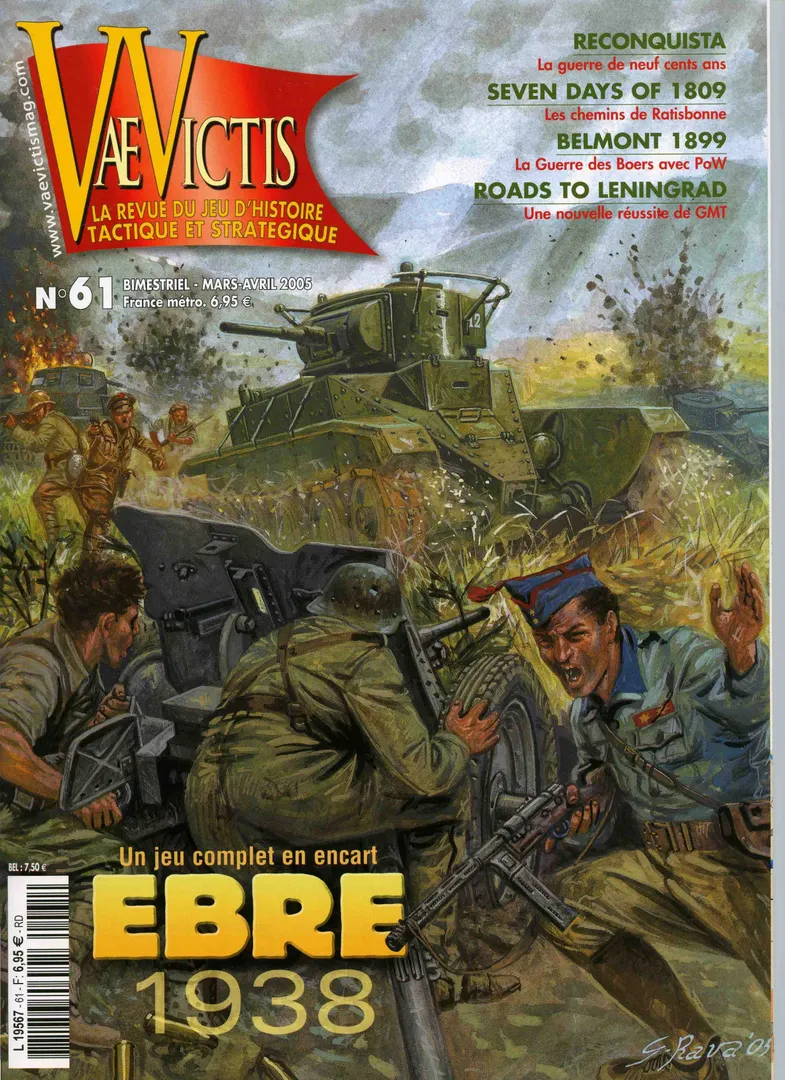
Reconquista! The Struggle for Iberia, 850-1250 AD
- 1–3 jugadores
- 240 min
- Complejidad 2,8/5
- 2013
2002
Ayuda con las reglas de Iberos: Overlords of the Ancient Peninsula
Explicaciones claras de turnos, efectos de cartas y situaciones dudosas, con referencias a fuentes oficiales e historial de preguntas guardado.
Para 2 jugadores
¿Qué quieres saber?
Las respuestas salen del reglamento oficial, con la página para comprobarlo.
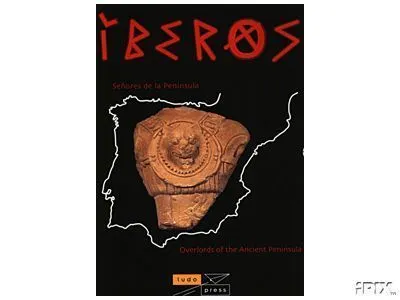
Iberos: Overlords of the Ancient Peninsula es un juego de mesa publicado en 2002 para 2 jugadores, con partidas de 120 a 600 minutos y a partir de 12 años. Fue diseñado por Javier Romero y sus mecánicas principales son Variable Player Powers, Area Movement y Action Points.





En inglés
Extracted from consimworld.com: IBEROS is an operational simulation of low to medium complexity of warfare in the Ancient Peninsula. It is packaged in a slipcase box that includes one 60 x 52 cm map, 240 full-color die cut counters, one standard and scenario rules booklet, one historical commentary booklet, and two player aid cards. Game turns are one year each: after collecting silver and/or receiving it from Rome, you can pay your troops, recruit tribal levies, and perform other administrative functions. After that comes the Operations Phase. During it, each force (one or more Field Armies, Tribal Levies, etc) can perform certain operations, using Operation Points (OP). These actions include combat, diplomacy (you can try to control any area through diplomacy), besiege cities, pillage, recruit mercenaries, or build colonies. At the end of the Operations Phase, forces retire to winter quarters. The most outstanding features of the game are the Prestige Point Level and the differences between Regular and Irregular warfare. The Prestige Level (PP) simulates the prestige of the civilized armies (Punic, Romans, Sertorians) among the Iberian tribes, and the tendency of the latter to switch to the side that seems to be winning... Certain results of the CRTs add or decrease the PP level of each side. Then, if your PP level is above 2, you have positive die roll modifiers on the Diplomacy Table. And vice versa if your PP level is 0 or lower. Leaders play a key role since their modifiers are applied to retreat before combat, diplomacy, all kinds of combat, operations, interception, etc. Leaders are rated for Military and Diplomatic skills (The highest is Sertorius, with +3 +3). Roman leaders (Praetors, one each for Hispania Citerior and Hispania Ulterior) are changed randomly each year when they're elected by the Senate of Rome. If you have quality leaders, your chances of avoid/provoke combat are higher, and vice versa. The irregular, "hit and run" tactics of the inhabitants of the peninsula characterized the Roman conquest and were the cause why the Romans took 200 years to completely control all of Hispania. All combat units have Regular and Irregular Combat factors. The attacker can always choose which CRT he is going to use. The idea here was to simulate the asymmetrical war fought out between the Roman/Punic invaders and the native peoples. If you can impose your style of fighting, (the other can not avoid combat) then you have the edge over the enemy. The game is played in scenarios. There are 9, from the Punic reconquest of Iberia (237-221 BCE) to the Cantabria campaigns of Caesar Augustus (24-19 BCE). There are a set of common rules for all the scenarios, plus specific rules for each scenario. There are fast playing scenarios (such as the Roman Civil War, or the Cantabrian wars) that can be played in two-three hours, and other that take 6-10 hour of play (up to 17 turns, such as Cato's campaign of 195 BCE, or the II Lusitanian War). Each scenario has its own Random Events Table. Some of the Random Events included are: plague, Excellent/Bad Crops, Tribal Rebellions galore, bribing enemy mercenaries, Numidian rebellion (for the II Punic War scenario), Alliance with Mithridates (Sertorius War scenario), and more. Optional rules include assassination of enemy leaders (you must spend Operations Points and Treasury Points for that), Rivalry between Iberian tribes (The Romans took advantage of this to apply the "divide and conquer" routine), Mountain redoubts (Mons Vidius, Mons Medulius...), or troop upgrade.
Según el catálogo, Iberos: Overlords of the Ancient Peninsula admite 2 jugadores. Es el número de jugadores indicado por la editorial, así que el juego está diseñado exactamente para esa cantidad de participantes. Las variantes para otros tamaños de grupo, si existen, se describen en el reglamento de tu edición; consúltalo antes de preparar otra configuración.
La duración indicada para Iberos: Overlords of the Ancient Peninsula es de 120 a 600 minutos, la estimación de la editorial para una partida completa. El tiempo real depende del grupo, del número de jugadores y del conocimiento de las reglas: las primeras partidas suelen alargarse y los grupos con experiencia terminan antes. La preparación y la explicación de las reglas no están incluidas.
El catálogo indica Iberos: Overlords of the Ancient Peninsula a partir de 12 años. Es la recomendación de la editorial y refleja la lectura necesaria, la complejidad de las reglas y las piezas pequeñas, no solo el tema. Los más pequeños a menudo pueden jugar con ayuda de un adulto: comprueba la edad recomendada en tu edición y la experiencia de tu grupo.
Iberos: Overlords of the Ancient Peninsula tiene una puntuación de complejidad de 2,9 sobre 5 según los jugadores de BoardGameGeek, lo que lo convierte en un juego algo ligero. La puntuación refleja cuánto conocimiento de reglas, planificación y toma de decisiones exige una partida típica. Los juegos exigentes requieren una explicación inicial más larga, así que conviene usar una guía de preparación.
Iberos: Overlords of the Ancient Peninsula pertenece a estas categorías: Economic, Wargame y Political. Sus mecánicas principales son Variable Player Powers, Area Movement y Action Points. Las categorías describen el tema y la ambientación de un juego, mientras que las mecánicas describen lo que los jugadores hacen realmente en su turno. Cada mecánica lleva a una página del catálogo con juegos similares.
Los autores acreditados de Iberos: Overlords of the Ancient Peninsula son: Javier Romero. Estos créditos proceden de los datos publicados del juego y nombran a las personas responsables de su diseño, no a ilustradores ni editoriales. Las páginas de autor de MeepleRules reúnen otros títulos de los mismos autores, algo útil cuando un juego te gusta y buscas otros parecidos.
El catálogo clasifica Iberos: Overlords of the Ancient Peninsula como juego base. Se juega por sí solo con los componentes de la caja y no requiere ningún otro título. Las expansiones, si existen, añaden contenido o reglas nuevas y aparecen por separado en el catálogo con un enlace a este juego base.