
- Puesto en BGG
- BGG #7242
- Puntuación BGG
- 6,4
The Kaiser's Pirates
- 1–4 jugadores
- 90 min
- Complejidad 2,3/5
- 2007
2013
Ayuda con las reglas de Iron and Oak
Explicaciones claras de turnos, efectos de cartas y situaciones dudosas, con referencias a fuentes oficiales e historial de preguntas guardado.
Para 1 jugador
¿Qué quieres saber?
Las respuestas salen del reglamento oficial, con la página para comprobarlo.
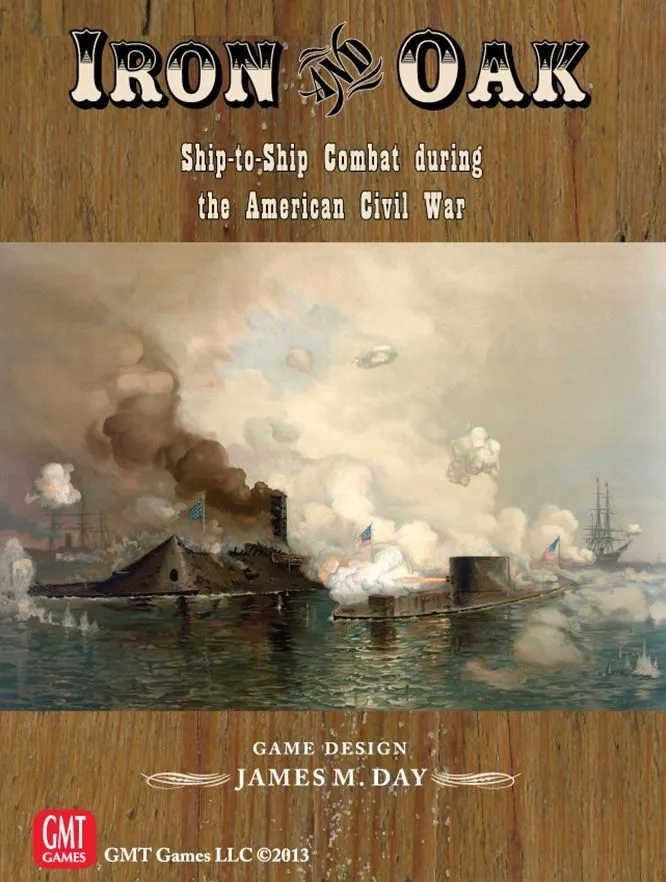
Iron and Oak es un juego de mesa publicado en 2013 para 1–2 jugadores, con partidas de 90 minutos y a partir de 12 años. Fue diseñado por James M. Day y sus mecánicas principales son Area Movement y Dice Rolling.


En inglés
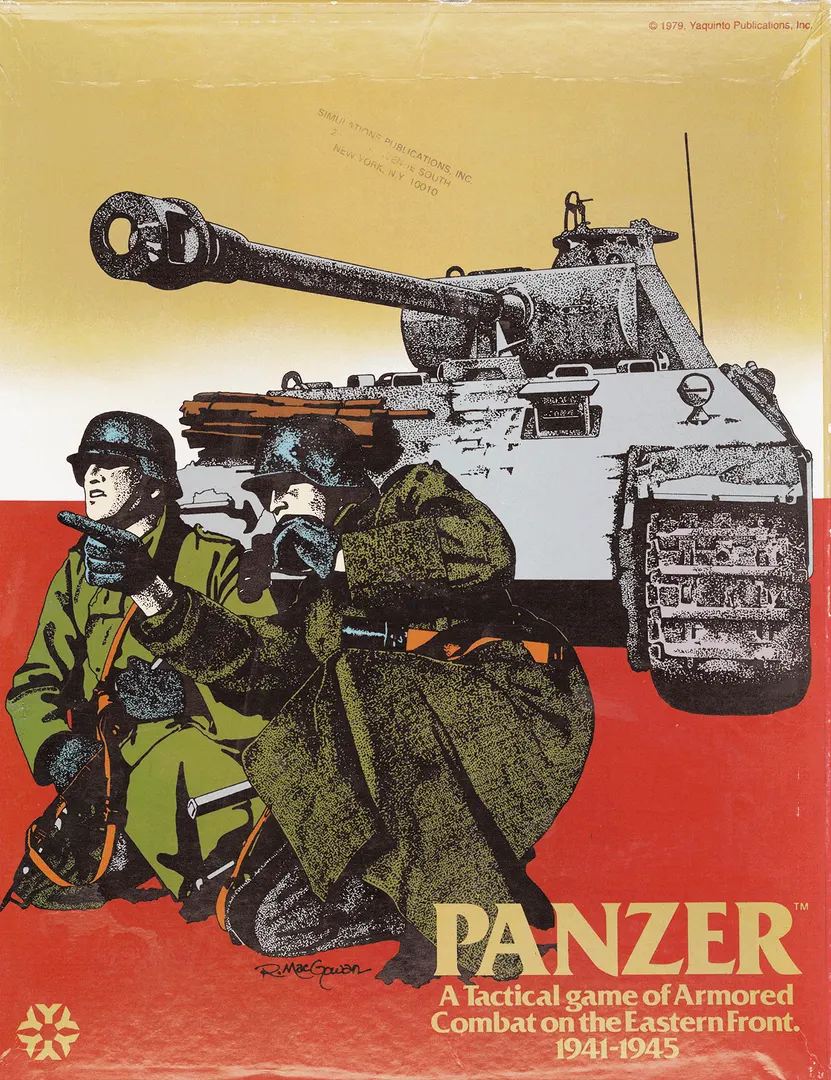
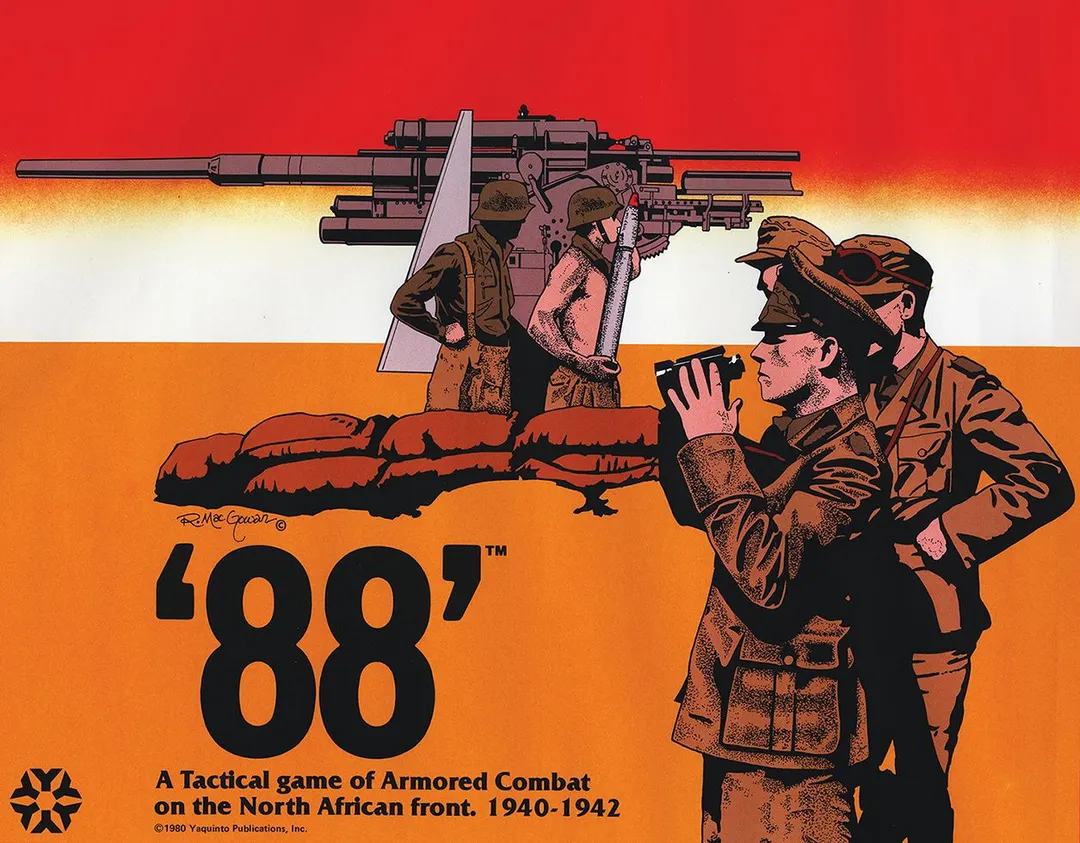
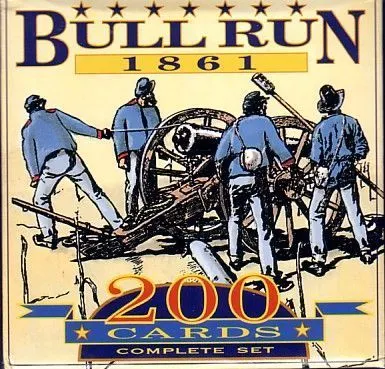
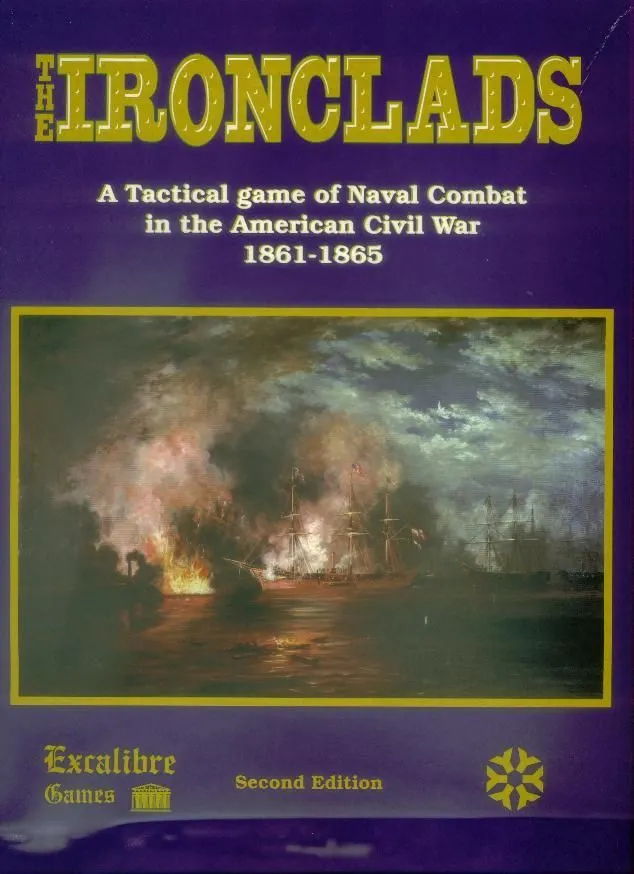
Iron and Oak is game of ship-to-ship combat set during the American Civil War. As a tactical representation of naval warfare, each of the ships is accurately modeled for offensive capability including gunnery, ramming and spar torpedoes; for defensive capability including damage and five distinct armored or wooden hit locations; and for maneuverability, crew size and draft. You command 70 famous ships of the era, including the Union: Onondaga, Tecumseh, Winnebago, Monitor, Osage, Minnesota, Brooklyn, Hartford, Essex, Carondolet, Kearsarge, Ossipee, Queen of the West, Iroquois, Spuyten Duyvil; and the Confederate: Tennessee, Virginia, Atlanta, Palmetto State, Arkansas, Albemarle, Alabama, Florida, General Beauregard, Sumter; and many more. Many of the 14 scenarios, in this easy-to-learn game, are playable in an hour or less. Included are 13 historical and 1 hypothetical engagements featuring Hampton Roads, Mobile Bay, Trent’s Reach, Wassaw Sound, the duel between Alabama and the Kearsarge, and the saga of the Arkansas, which may be played as three individual scenarios or as a linked mini-campaign. In addition, forts bristling with guns make their appearance to challenge the will of the ship captains. If that was not enough to heat things up, scenario based optional rules add a few interesting ‘what if’ situations to expand on play. If you are interested in commanding your own fleet, Iron and Oak includes a standalone campaign module where player selected forces fight it out in the many rivers, bays, inlets and costal areas. The campaign game recreates the brown water actions, typical of the period, in a series of randomly generated battles. As play progresses, the players do not know the exact length of the campaign or the specific mix of the battles. Players must not only manage the unfolding battles, but must also strategically allocate resources and repair and refits their ships. The 16 card Navy Yard deck is used to plot a course through and influence the challenges of the campaigns. Two or more players battle it out on an 22” x 34” map that features an area movement grid. This simple approach controls ship movement as well as all combat action. Gone are the long periods of inaction, typical of ACW tactical naval games, as these early steam-era ships struggled to maneuver into battle. This innovative game system places the emphasis on quick action and tactical decision making. The 50 Action Cards are used to assist and enhance play, not drive it. Each time you battle it out, whether in a scenario or campaign game, the action unfolds in a very different manner. Do you wish to employ hot shot or incendiary shells? Is now the best time to rapid fire or is it wise to maneuver and ram? Should you allocate part of the crew as a repair party? Is that enemy ship going to maneuver into your torpedo (mine) field? These and many other possibilities exist through the play of the action cards. Or, you may decide to not play any action cards at all and just maneuver and shoot. You control how and when the action will unfold. At its core Iron and Oak is a naval simulation. It accurately models the close-range slugging matches typical of the period. You have the opportunity to play out the various battles to their conclusion. Will history repeat itself, or will a new account be written? Will the Monitor’s 11” Dahlgren smoothbores blast through Virginia’s armor plating or will their battle again end in a stalemate? Will the powerful Tennessee win out against Admiral David Farragut’s Union fleet or again fall to his superior numbers? Will the Atlanta defeat the two Union monitors in kind or again slip aground and strike her colors. This time, you get to determine the outcome. You are not bound by history’s stories.
Según el catálogo, Iron and Oak admite de 1 a 2 jugadores. Este intervalo corresponde al número de jugadores indicado por la editorial, así que el juego puede prepararse para cualquier grupo dentro de ese margen. La preparación, algunas reglas y la puntuación pueden variar según el número de jugadores; consulta la configuración exacta en el reglamento de tu edición.
La duración indicada para Iron and Oak es de 90 minutos, la estimación de la editorial para una partida completa. El tiempo real depende del grupo, del número de jugadores y del conocimiento de las reglas: las primeras partidas suelen alargarse y los grupos con experiencia terminan antes. La preparación y la explicación de las reglas no están incluidas.
El catálogo indica Iron and Oak a partir de 12 años. Es la recomendación de la editorial y refleja la lectura necesaria, la complejidad de las reglas y las piezas pequeñas, no solo el tema. Los más pequeños a menudo pueden jugar con ayuda de un adulto: comprueba la edad recomendada en tu edición y la experiencia de tu grupo.
Iron and Oak tiene una puntuación de complejidad de 2,6 sobre 5 según los jugadores de BoardGameGeek, lo que lo convierte en un juego algo ligero. La puntuación refleja cuánto conocimiento de reglas, planificación y toma de decisiones exige una partida típica. Los juegos exigentes requieren una explicación inicial más larga, así que conviene usar una guía de preparación.
Iron and Oak pertenece a estas categorías: Wargame, Nautical y Civil War. Sus mecánicas principales son Area Movement y Dice Rolling. Las categorías describen el tema y la ambientación de un juego, mientras que las mecánicas describen lo que los jugadores hacen realmente en su turno. Cada mecánica lleva a una página del catálogo con juegos similares.
Los autores acreditados de Iron and Oak son: James M. Day. Estos créditos proceden de los datos publicados del juego y nombran a las personas responsables de su diseño, no a ilustradores ni editoriales. Las páginas de autor de MeepleRules reúnen otros títulos de los mismos autores, algo útil cuando un juego te gusta y buscas otros parecidos.
El catálogo clasifica Iron and Oak como juego base. Se juega por sí solo con los componentes de la caja y no requiere ningún otro título. Las expansiones, si existen, añaden contenido o reglas nuevas y aparecen por separado en el catálogo con un enlace a este juego base.