- Puntuación BGG
- 7,9
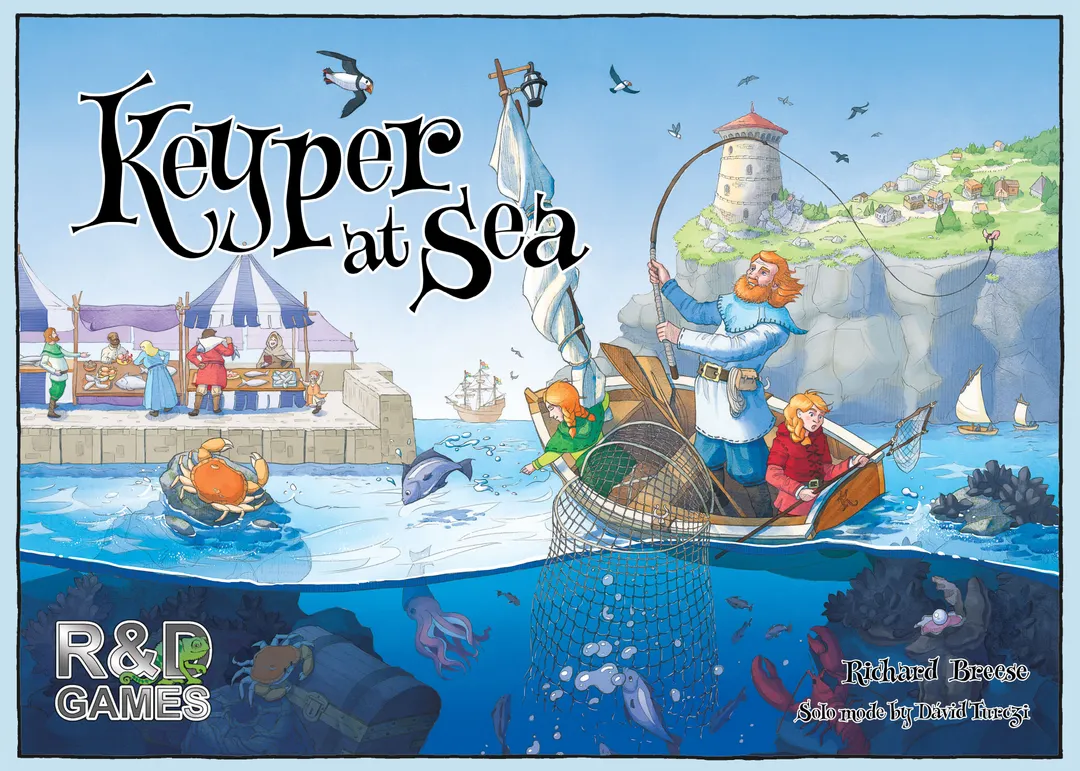
Keyper at Sea
- 1–4 jugadores
- 60–120 min
- 2021
2017
Ayuda con las reglas de Keyper
Explicaciones claras de turnos, efectos de cartas y situaciones dudosas, con referencias a fuentes oficiales e historial de preguntas guardado.
Para 2 jugadores
¿Qué quieres saber?
Las respuestas salen del reglamento oficial, con la página para comprobarlo.
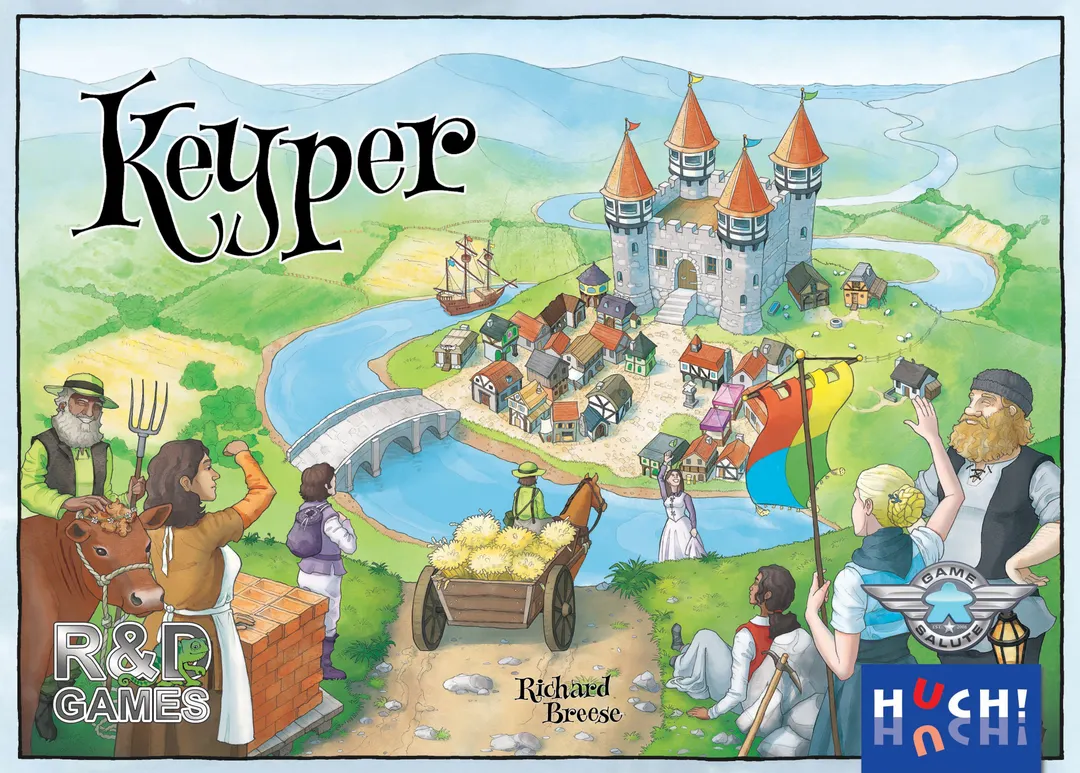
Keyper es un juego de mesa publicado en 2017 para 2–4 jugadores, con partidas de 90 a 120 minutos y a partir de 14 años. Fue diseñado por Richard Breese y sus mecánicas principales son Set Collection, Area Majority / Influence y Tile Placement.


En inglés
Keyper is a game with high player interaction for two to four players played over four rounds. Each round represents a season: spring, summer, autumn, and finally winter. Each player starts the game with their own village board, a mini keyp board, 12 village tiles, a keyper (waving meeple) in their player color, and a team of eight multi-colored keyples, including two white keyples. Each differently colored keyple is a specialist in one activity: the brown keyper is a woodsman, the black keyple is a miner, the orange keyple a clay worker, etc. The white keyples are generalists who can represent any other color. Keyper is a worker placement game. (Keyper is the eighth new title in the medieval Key series of games, with Keydom, the second in the series being widely recognized as the first of the worker placement genre of games.) What makes Keyper special is that when one player places a keyple on a country board, another player can join them with a matching colored keyple on the first player's turn to the benefit of both players. In this way, some players are likely to have played all their keyples before others. All keyples have the potential to work twice. If a player has played all of their keyples, but another player still has some, then on their turn, the player with no remaining keyples can lay down one or more keyples on the country board they have claimed or in their village board to secure additional resources or actions. It can therefore be doubly beneficial to co-operate with your fellow players, although Keyper is not a co-operative game in the usual sense of the term. The country boards are also noteworthy, in that they can be manipulated and folded at the beginning of summer, autumn, and winter to show one of four different permutations of fields for that season. A player will chose the one to suit their strategy, often hoping that another player will complement their choice. Certain fields on the country boards are available only in certain seasons, e.g., raw materials can be upgraded to finished goods only in spring and summer, after which you can only convert using tiles in your own village. Gem mining occurs only in autumn and winter. A player's strategy is likely to be influenced by which (seeded) spring country tiles they acquire and by the particular colored keyples they have available in the later seasons. Different combinations will encourage a player to develop their farm or village, help with their shipping or mining activities, and prepare for the seasonal fairs. Players constantly need to evaluate whether or not to join other players, when to claim a country board, whether to play on their own or another player's country board, when to use their own village, and whether to create a large or small team of keyples for the following season. The winner is the player to gain the most points, usually through pursuing at least a couple of the different strategies. In addition to the theme and mechanisms, Keyper has similar traits to the earlier Key games: Game actions are positive and constructive, not destructive; player interaction is through the game mechanisms not direct, and like Keyflower, the previous game in the series, there is a lot of player interaction. A special English-language Kickstarter edition of Keyper with "character" keyples and keypers will also be released.
Según el catálogo, Keyper admite de 2 a 4 jugadores. Este intervalo corresponde al número de jugadores indicado por la editorial, así que el juego puede prepararse para cualquier grupo dentro de ese margen. La preparación, algunas reglas y la puntuación pueden variar según el número de jugadores; consulta la configuración exacta en el reglamento de tu edición.
La duración indicada para Keyper es de 90 a 120 minutos, la estimación de la editorial para una partida completa. El tiempo real depende del grupo, del número de jugadores y del conocimiento de las reglas: las primeras partidas suelen alargarse y los grupos con experiencia terminan antes. La preparación y la explicación de las reglas no están incluidas.
El catálogo indica Keyper a partir de 14 años. Es la recomendación de la editorial y refleja la lectura necesaria, la complejidad de las reglas y las piezas pequeñas, no solo el tema. Los más pequeños a menudo pueden jugar con ayuda de un adulto: comprueba la edad recomendada en tu edición y la experiencia de tu grupo.
Keyper tiene una puntuación de complejidad de 3,6 sobre 5 según los jugadores de BoardGameGeek, lo que lo convierte en un juego de complejidad media. La puntuación refleja cuánto conocimiento de reglas, planificación y toma de decisiones exige una partida típica. Los juegos exigentes requieren una explicación inicial más larga, así que conviene usar una guía de preparación.
Keyper pertenece a estas categorías: Economic, Medieval y Farming. Sus mecánicas principales son Set Collection, Area Majority / Influence y Tile Placement. Las categorías describen el tema y la ambientación de un juego, mientras que las mecánicas describen lo que los jugadores hacen realmente en su turno. Cada mecánica lleva a una página del catálogo con juegos similares.
Los autores acreditados de Keyper son: Richard Breese. Estos créditos proceden de los datos publicados del juego y nombran a las personas responsables de su diseño, no a ilustradores ni editoriales. Las páginas de autor de MeepleRules reúnen otros títulos de los mismos autores, algo útil cuando un juego te gusta y buscas otros parecidos.
El catálogo clasifica Keyper como juego base. Se juega por sí solo con los componentes de la caja y no requiere ningún otro título. Las expansiones, si existen, añaden contenido o reglas nuevas y aparecen por separado en el catálogo con un enlace a este juego base.