

- Puesto en BGG
- BGG #193
- Puntuación BGG
- 7,7
Watergate
- 2 jugadores
- 30–60 min
- Complejidad 2,3/5
- 2019
Ayuda con las reglas de Lenin's Legacy
Explicaciones claras de turnos, efectos de cartas y situaciones dudosas, con referencias a fuentes oficiales e historial de preguntas guardado.
¿Qué quieres saber?
Las respuestas salen del reglamento oficial, con la página para comprobarlo.
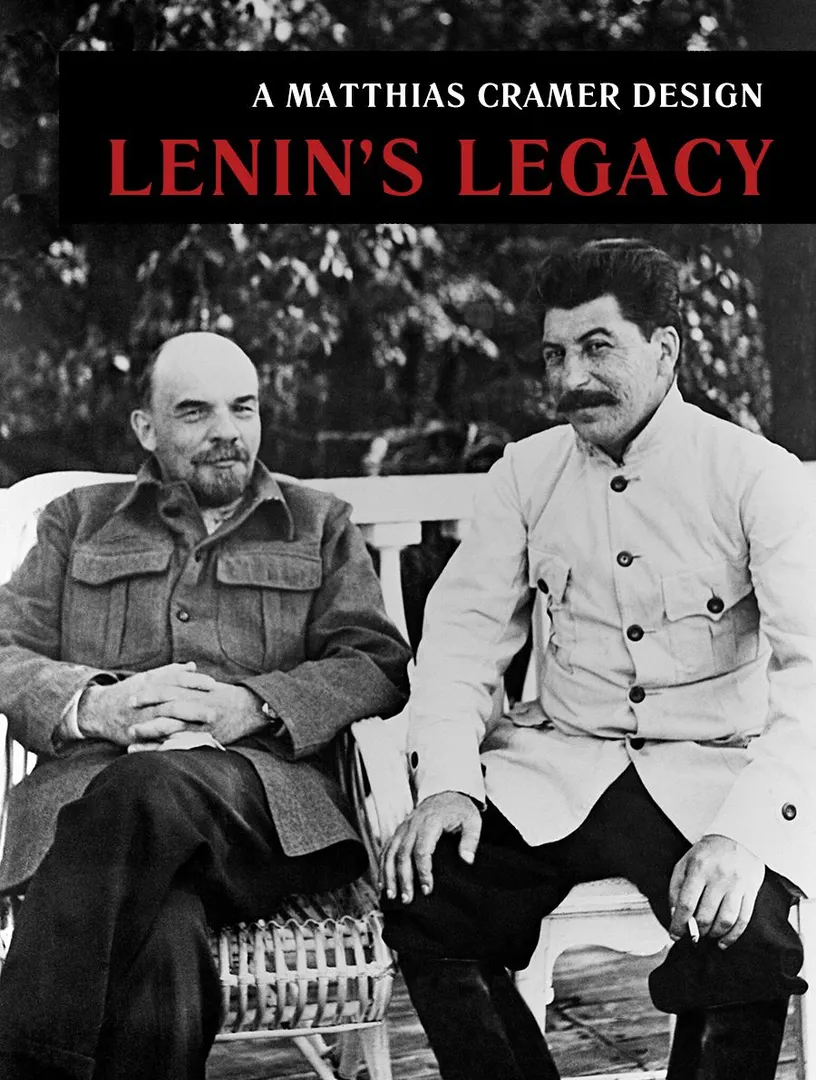
Lenin's Legacy es un juego de mesa para 1–2 jugadores y con partidas de 20 a 40 minutos. Fue diseñado por Matthias Cramer y sus mecánicas principales son Open Drafting, Multi-Use Cards y Tug of War.





En inglés
Lenin's Legacy is a fast-paced solo or two-player game about the power struggle between Stalin and Trotsky in the early days of the USSR, starting the moment Lenin’s health began to weaken after a failed assassination attempt in 1918 and culminating with Lenin’s death in 1924. Players will take on the role of either Stalin or Trotsky, playing cards from a common display (plus one hidden card each) to gain control of “issues,” such as the NKVD, Politburo, and personal access to Lenin. Cards can also be played for specific historical events, and additional Region and Politician cards may enter play each round, favoring whichever player was able to control the relevant issue in the previous round. Victory can be achieved in three different ways: control of the Army, domination of the Party, or lasting Fame after Lenin’s death. Players must therefore balance short-term gains towards each of these conditions with long-term bonuses from Regions and Politicians, while also ensuring that their opponent is not able to play the cards that will most benefit them. The result is a tense, fast-paced game where every card counts and you always have to stay one step ahead of your opponent. —description from the publisher
Según el catálogo, Lenin's Legacy admite de 1 a 2 jugadores. Este intervalo corresponde al número de jugadores indicado por la editorial, así que el juego puede prepararse para cualquier grupo dentro de ese margen. La preparación, algunas reglas y la puntuación pueden variar según el número de jugadores; consulta la configuración exacta en el reglamento de tu edición.
La duración indicada para Lenin's Legacy es de 20 a 40 minutos, la estimación de la editorial para una partida completa. El tiempo real depende del grupo, del número de jugadores y del conocimiento de las reglas: las primeras partidas suelen alargarse y los grupos con experiencia terminan antes. La preparación y la explicación de las reglas no están incluidas.
Lenin's Legacy tiene una puntuación de complejidad de 2,0 sobre 5 según los jugadores de BoardGameGeek, lo que lo convierte en un juego algo ligero. La puntuación refleja cuánto conocimiento de reglas, planificación y toma de decisiones exige una partida típica. Los juegos exigentes requieren una explicación inicial más larga, así que conviene usar una guía de preparación.
Lenin's Legacy pertenece a estas categorías: Political. Sus mecánicas principales son Open Drafting, Multi-Use Cards y Tug of War. Las categorías describen el tema y la ambientación de un juego, mientras que las mecánicas describen lo que los jugadores hacen realmente en su turno. Cada mecánica lleva a una página del catálogo con juegos similares.
Los autores acreditados de Lenin's Legacy son: Matthias Cramer. Estos créditos proceden de los datos publicados del juego y nombran a las personas responsables de su diseño, no a ilustradores ni editoriales. Las páginas de autor de MeepleRules reúnen otros títulos de los mismos autores, algo útil cuando un juego te gusta y buscas otros parecidos.
El catálogo clasifica Lenin's Legacy como juego base. Se juega por sí solo con los componentes de la caja y no requiere ningún otro título. Las expansiones, si existen, añaden contenido o reglas nuevas y aparecen por separado en el catálogo con un enlace a este juego base.