
- Puesto en BGG
- BGG #13.804
- Puntuación BGG
- 8,1
La Garde Avance!
- 2 jugadores
- 60–90 min
- Complejidad 2,4/5
- 2022
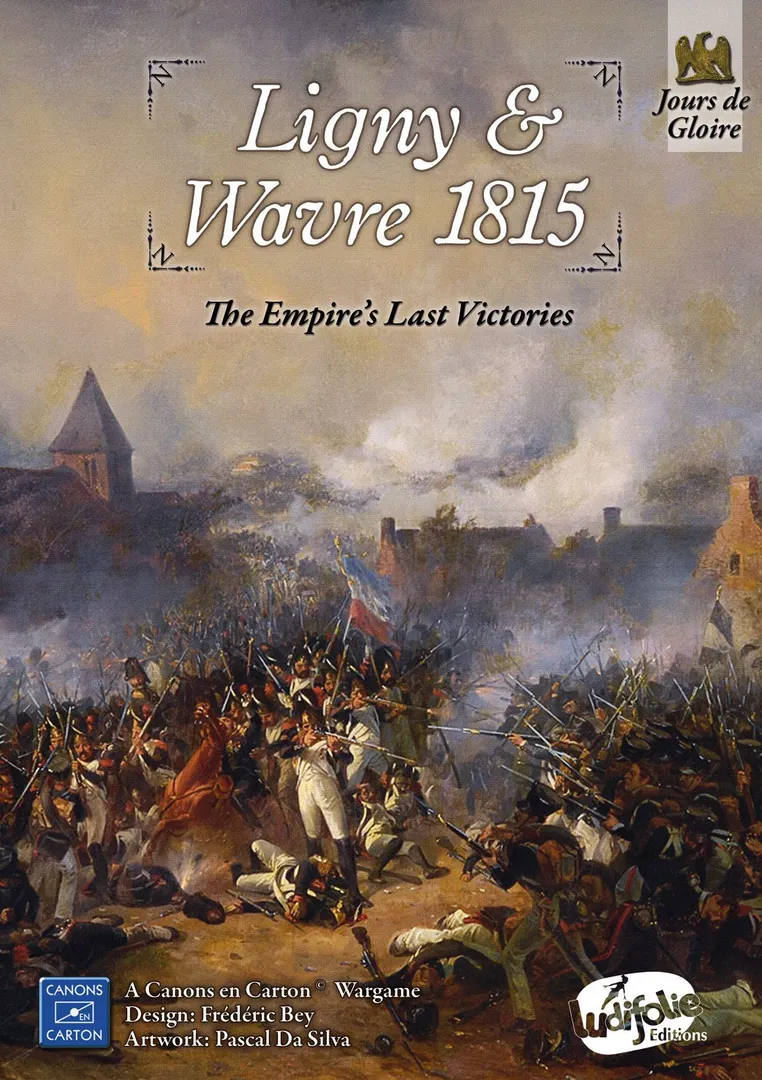
2016
Ayuda con las reglas de Ligny & Wavre 1815: The Empire's Last Victories
Explicaciones claras de turnos, efectos de cartas y situaciones dudosas, con referencias a fuentes oficiales e historial de preguntas guardado.
Para 2 jugadores
¿Qué quieres saber?
Las respuestas salen del reglamento oficial, con la página para comprobarlo.
Ligny & Wavre 1815: The Empire's Last Victories es un juego de mesa publicado en 2016 para 2 jugadores y con partidas de 120 a 600 minutos. Fue diseñado por Frédéric Bey y sus mecánicas principales son Dice Rolling, Hexagon Grid y Simulation.

En inglés
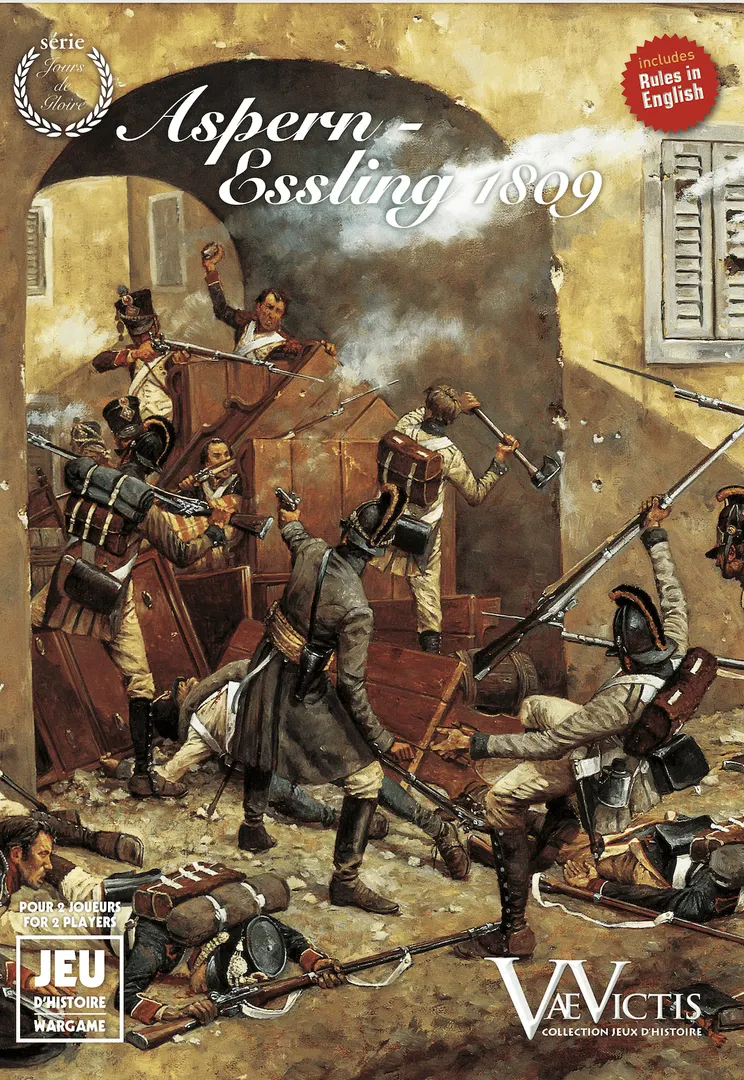
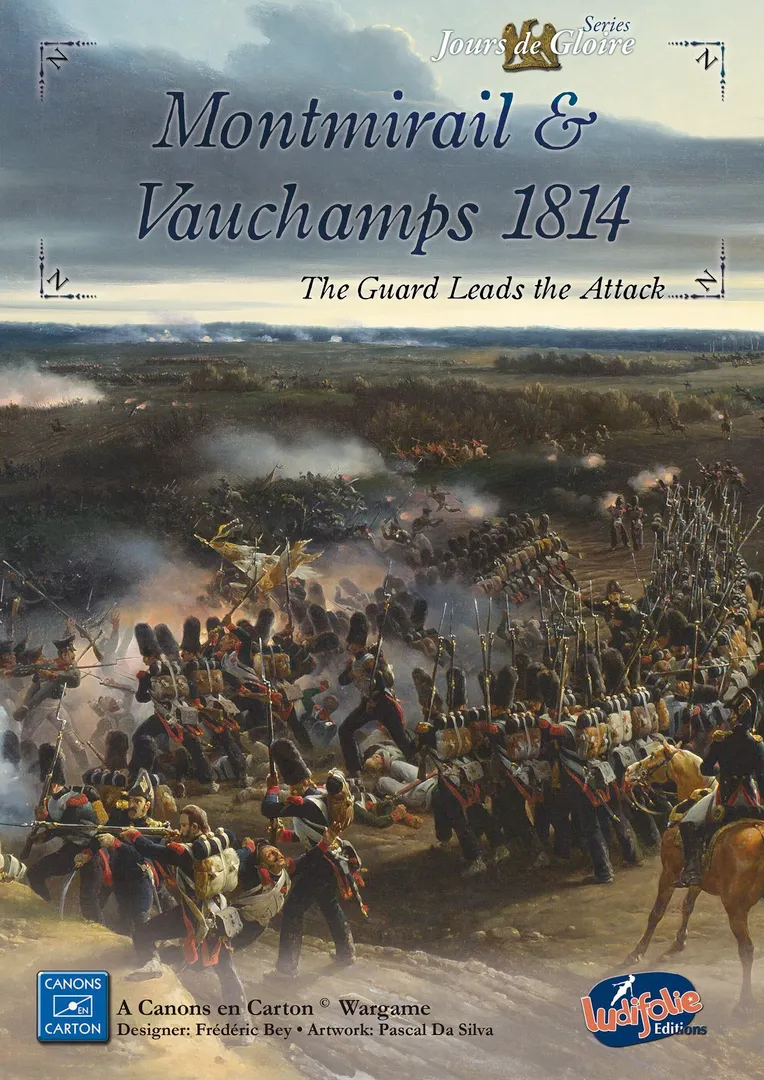
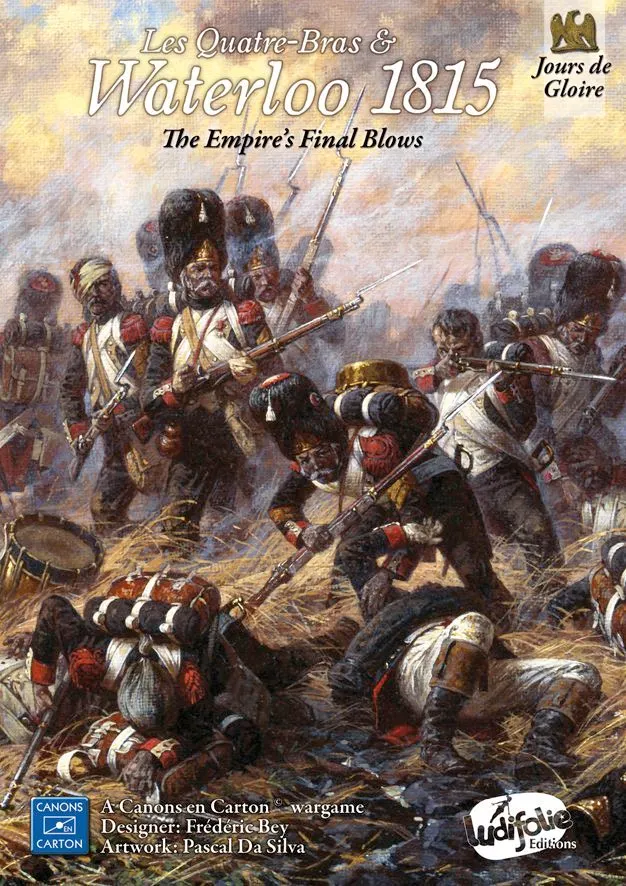
Ligny and Wavre 1815 is a complete game in the Jours de Gloire series. It covers the battles which occurred on June 16th, 18th and 19th, during Napoléon’s offensive in Belgium against the armies of Wellington and Blücher. Ligny 1815 is the last victory of Napoleon: with his Armée du Nord, the Emperor attacks Blücher’s Prussians and inflicts them a severe defeat. But the the bulk of the Prussian army survived and went on to play a pivotal role two days later at Waterloo Wavre 1815 shows the two days useless fights of Grouchy corps against Thielmann, when, at the same time, Napoleon was decisivly beated at Waterloo. An additionnal scenario features a « what if Grouchy have been abble to reinforce Napoleon at Waterloo? ». It requires the Les Quatre-Bras and Waterloo 1815 module to be played. Ligny, June 16th 1815: Napoleon vs. Blücher Wavre, June 18th and June 19th 1815: Grouchy vs. Thielmann Ligny 1815 and Wavre 1815 are the 42nd and 43rd battles of the Jours de Gloire series.
Según el catálogo, Ligny & Wavre 1815: The Empire's Last Victories admite 2 jugadores. Es el número de jugadores indicado por la editorial, así que el juego está diseñado exactamente para esa cantidad de participantes. Las variantes para otros tamaños de grupo, si existen, se describen en el reglamento de tu edición; consúltalo antes de preparar otra configuración.
La duración indicada para Ligny & Wavre 1815: The Empire's Last Victories es de 120 a 600 minutos, la estimación de la editorial para una partida completa. El tiempo real depende del grupo, del número de jugadores y del conocimiento de las reglas: las primeras partidas suelen alargarse y los grupos con experiencia terminan antes. La preparación y la explicación de las reglas no están incluidas.
Ligny & Wavre 1815: The Empire's Last Victories tiene una puntuación de complejidad de 3,8 sobre 5 según los jugadores de BoardGameGeek, lo que lo convierte en un juego exigente. La puntuación refleja cuánto conocimiento de reglas, planificación y toma de decisiones exige una partida típica. Los juegos exigentes requieren una explicación inicial más larga, así que conviene usar una guía de preparación.
Ligny & Wavre 1815: The Empire's Last Victories pertenece a estas categorías: Wargame y Napoleonic. Sus mecánicas principales son Dice Rolling, Hexagon Grid y Simulation. Las categorías describen el tema y la ambientación de un juego, mientras que las mecánicas describen lo que los jugadores hacen realmente en su turno. Cada mecánica lleva a una página del catálogo con juegos similares.
Los autores acreditados de Ligny & Wavre 1815: The Empire's Last Victories son: Frédéric Bey. Estos créditos proceden de los datos publicados del juego y nombran a las personas responsables de su diseño, no a ilustradores ni editoriales. Las páginas de autor de MeepleRules reúnen otros títulos de los mismos autores, algo útil cuando un juego te gusta y buscas otros parecidos.
El catálogo clasifica Ligny & Wavre 1815: The Empire's Last Victories como juego base. Se juega por sí solo con los componentes de la caja y no requiere ningún otro título. Las expansiones, si existen, añaden contenido o reglas nuevas y aparecen por separado en el catálogo con un enlace a este juego base.