

- Puesto en BGG
- BGG #16.237
- Puntuación BGG
- 6,4
Cryptozoology for Beginners
- 2–4 jugadores
- 20–45 min
- Complejidad 1,7/5
- 2022

2022
Ayuda con las reglas de Living Well Is the Best Revenge
Explicaciones claras de turnos, efectos de cartas y situaciones dudosas, con referencias a fuentes oficiales e historial de preguntas guardado.
¿Qué quieres saber?
Las respuestas salen del reglamento oficial, con la página para comprobarlo.
Living Well Is the Best Revenge es un juego de mesa publicado en 2022 para 2–4 jugadores, con partidas de 15 a 30 minutos y a partir de 14 años. Fue diseñado por Cory Jones, Ben Stoll y Mataio Wilson y sus mecánicas principales son Take That, Dice Rolling y Re-rolling and Locking.

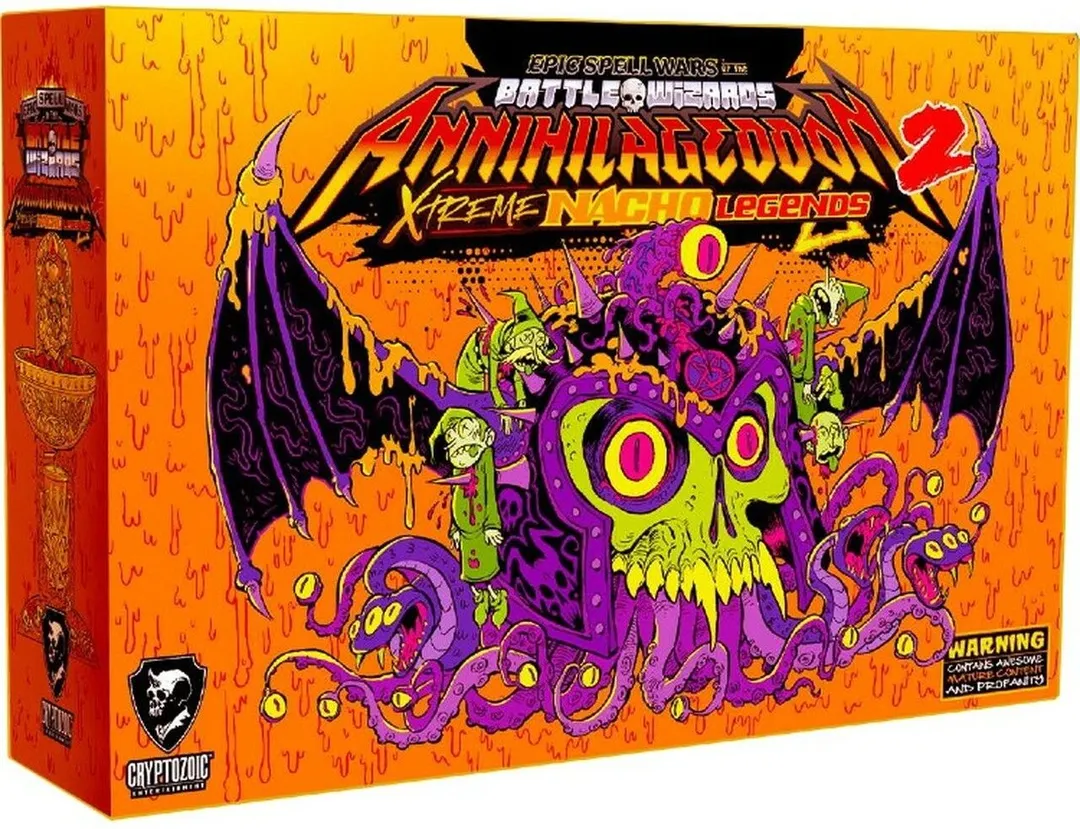

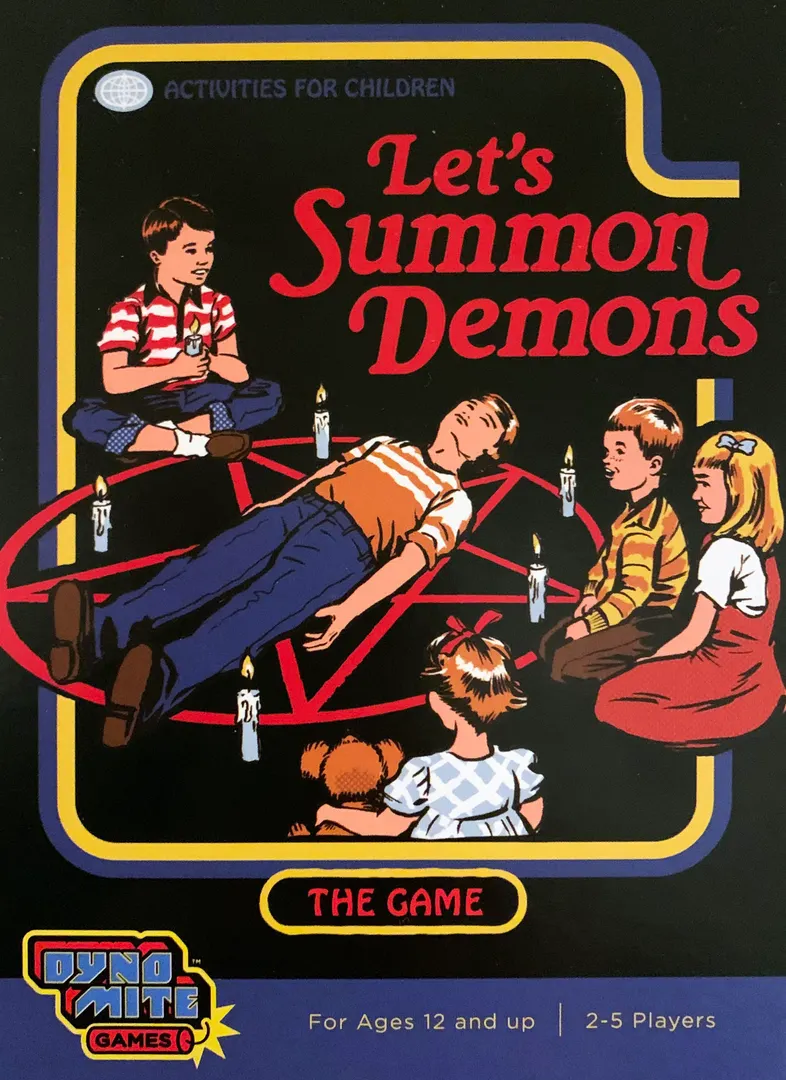


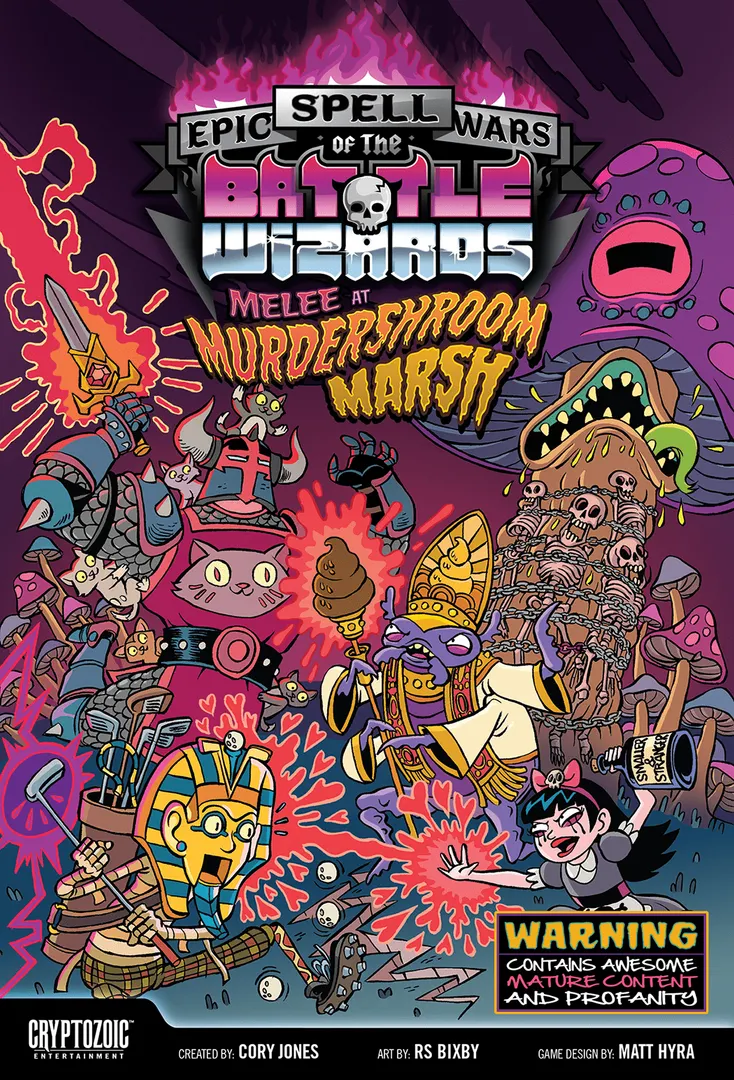


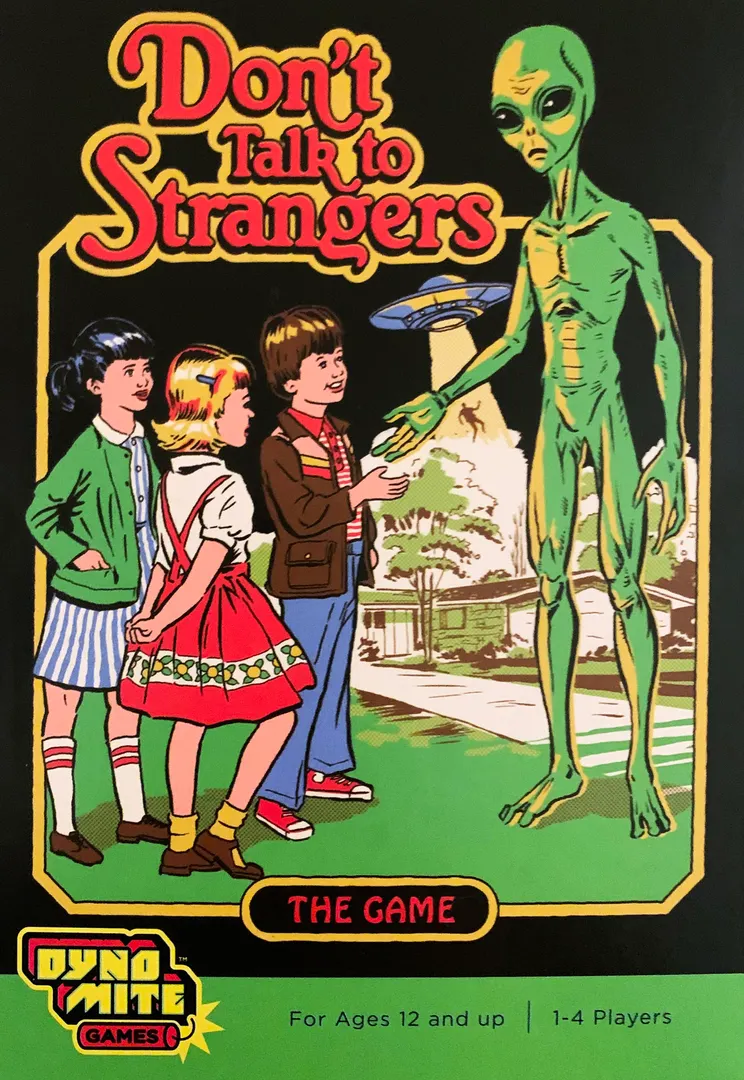
En inglés
Living well is the best revenge, and the best way to live well is by unlocking your inner power! In this dice game of strategy and chance inspired by the art of Steven Rhodes, will you aim to unleash your point-gaining abilities, or plan ahead with powerful dice manipulation? Gain points during an opponent's turn and watch their good fortune become another path to your success. Be the first to reach your full potential and transform from zero to hero! The game is played over 3 rounds. The player with the most points at the end of the 3rd round wins. PLAYING A ROUND Players take turns rolling and resolving their dice individually. This continues until a player has unlocked all 10 of their ability cards, or only one player is left in the round. ON YOUR TURN When it is your turn to roll, follows these steps in order: 1. Roll Dice Begin your turn by rolling your player dice and Power dice together. Each of your opponents rolls their Power dice only. 2. Opponents Score Each of your opponents gains 1 point for each of their Power dice that matches BOTH 1 of their unlocked (faceup) ability cards AND at least 1 of your dice (either your player dice or Power dice). 3. Use Unlocked Abilities Next, you (and only you) may use any number of your unlocked (faceup)ability cards, in any order. 4. Unlock New Abilities After you use your abilities, add up the numbers on only your player dice to determine your player dice total (and apply any modifiers from unlocked ability cards if desired). Then choose a combination of your locked (facedown) ability cards that add up exactly to your player dice total, and flip each of them faceup to unlock it. You must choose a combination of cards that are ALL locked. For example, if your #1 card is already unlocked, you may not choose any combination of cards that include a 1 (regardless of what you rolled). If you have no combination of locked cards that add up to your player dice total, you may not unlock any new cards and are instead out of the round. After unlocking cards, your turn is over. There are 3 types of abilities: ● Power Die Ability (#1-6): In order to use a Power die ability, you must roll the matching number on at least 1 of your Power dice. ● Modify Player Dice Total (#7-9): Once you have unlocked one of these abilities, you may use it once per turn to modify your player dice total for unlocking new abilities (see Step 4). Do not change the die faces you rolled when modifying your total. ● Extra Power Die (#10): Once you unlock your yellow Power die, you may roll it for the rest of the round. 1. Power Die: Gain points equal to 1 of your dice. 2. Power Die: Gain a reroll token. 3. Power Die: Steal 3 points from another player. 4. Power Die: Score 1 point for each of your locked cards. 5. Power Die: Score 1 point for each of your unlocked cards. 6. Power Die: Choose a player to lose half their points, rounded down. 7. You may subtract 1 from your roll. 8. You may add 1 to your roll. 9. You may remove any 1 die from your roll. 10. Gain an additional Power die. -description from publisher
Según el catálogo, Living Well Is the Best Revenge admite de 2 a 4 jugadores. Este intervalo corresponde al número de jugadores indicado por la editorial, así que el juego puede prepararse para cualquier grupo dentro de ese margen. La preparación, algunas reglas y la puntuación pueden variar según el número de jugadores; consulta la configuración exacta en el reglamento de tu edición.
La duración indicada para Living Well Is the Best Revenge es de 15 a 30 minutos, la estimación de la editorial para una partida completa. El tiempo real depende del grupo, del número de jugadores y del conocimiento de las reglas: las primeras partidas suelen alargarse y los grupos con experiencia terminan antes. La preparación y la explicación de las reglas no están incluidas.
El catálogo indica Living Well Is the Best Revenge a partir de 14 años. Es la recomendación de la editorial y refleja la lectura necesaria, la complejidad de las reglas y las piezas pequeñas, no solo el tema. Los más pequeños a menudo pueden jugar con ayuda de un adulto: comprueba la edad recomendada en tu edición y la experiencia de tu grupo.
Living Well Is the Best Revenge tiene una puntuación de complejidad de 1,5 sobre 5 según los jugadores de BoardGameGeek, lo que lo convierte en un juego ligero. La puntuación refleja cuánto conocimiento de reglas, planificación y toma de decisiones exige una partida típica. Los juegos exigentes requieren una explicación inicial más larga, así que conviene usar una guía de preparación.
Living Well Is the Best Revenge pertenece a estas categorías: Dice. Sus mecánicas principales son Take That, Dice Rolling y Re-rolling and Locking. Las categorías describen el tema y la ambientación de un juego, mientras que las mecánicas describen lo que los jugadores hacen realmente en su turno. Cada mecánica lleva a una página del catálogo con juegos similares.
Los autores acreditados de Living Well Is the Best Revenge son: Cory Jones, Ben Stoll y Mataio Wilson. Estos créditos proceden de los datos publicados del juego y nombran a las personas responsables de su diseño, no a ilustradores ni editoriales. Las páginas de autor de MeepleRules reúnen otros títulos de los mismos autores, algo útil cuando un juego te gusta y buscas otros parecidos.
El catálogo clasifica Living Well Is the Best Revenge como juego base. Se juega por sí solo con los componentes de la caja y no requiere ningún otro título. Las expansiones, si existen, añaden contenido o reglas nuevas y aparecen por separado en el catálogo con un enlace a este juego base.