
- Puntuación BGG
- 6,8
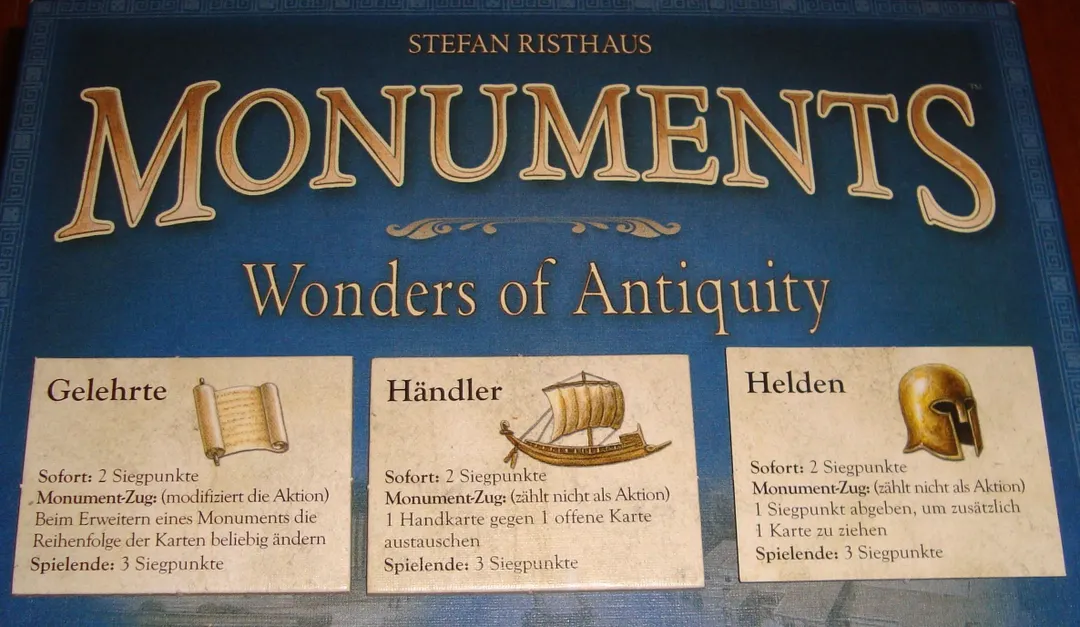
Monuments: Heroes, Traders, and Science
- 2–4 jugadores
- 60 min
- Complejidad 1,0/5
- 2009
2008
Ayuda con las reglas de Monuments: Wonders of Antiquity
Explicaciones claras de turnos, efectos de cartas y situaciones dudosas, con referencias a fuentes oficiales e historial de preguntas guardado.
Para 2 jugadores
¿Qué quieres saber?
Las respuestas salen del reglamento oficial, con la página para comprobarlo.
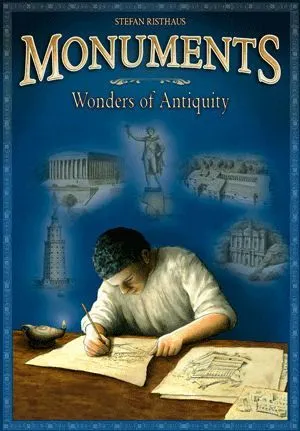
Monuments: Wonders of Antiquity es un juego de mesa publicado en 2008 para 2–4 jugadores, con partidas de 45 a 60 minutos y a partir de 10 años. Fue diseñado por Stefan Risthaus y sus mecánicas principales son Hand Management, Set Collection y Area Majority / Influence.




En inglés
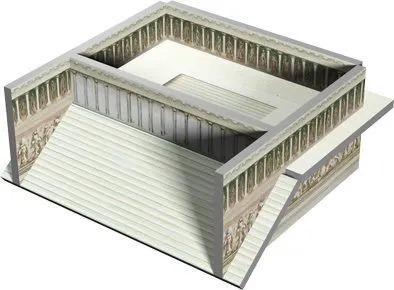
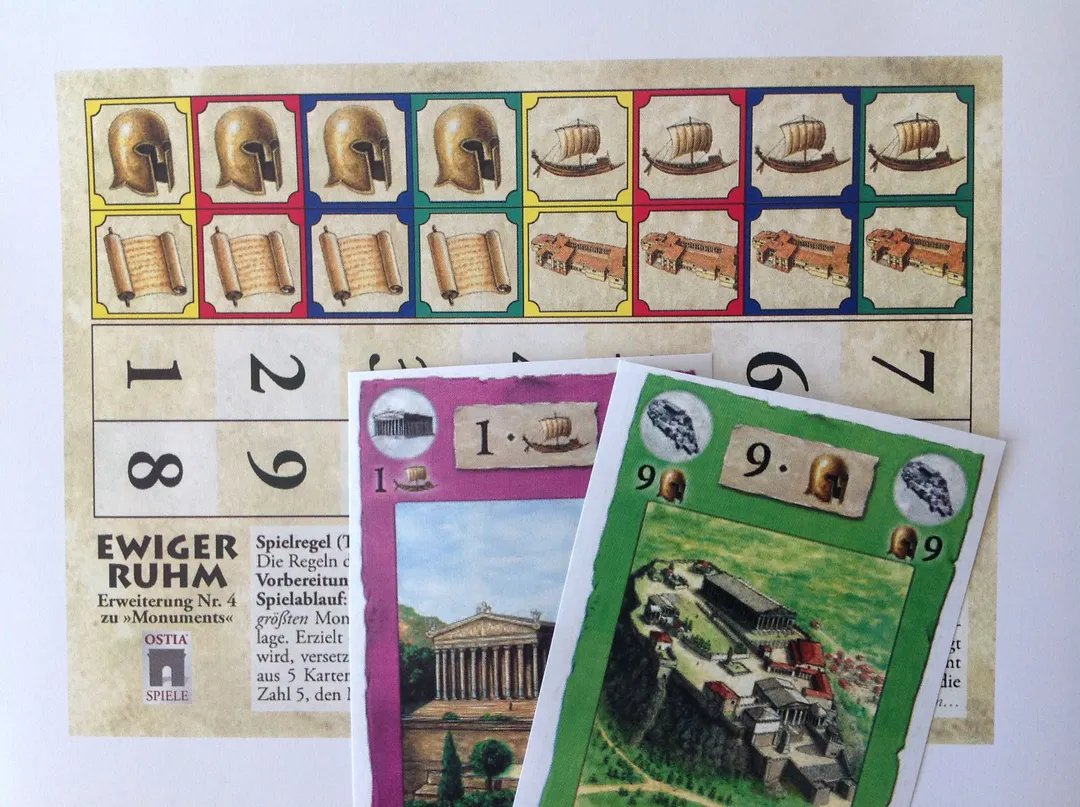
A game of building monuments and historical sources, reporting on these monuments. In order to win the game, you not only have to build the monuments, you have to make sure that history will know them - and your fellow gamers will co-decide about it! And there are copyists, who will dispute the glory you've earned for your monuments... The game shows monument cards with 12 types of ancient monuments like the Pyramids or the Colosseum (9 per type). The game is played in turns and usually you take a "monument turn," consisting of 3 actions allowing you to collect cards, to build monuments, and to expand your existing monuments. For example, it takes you one action per card to draw it either from the draw pile or the 3 faceup cards near it. If you have some cards showing the same monument, you can use another action to erect this monument in your display. In case you are the first one to build this type of monument, you only need two cards - the second player building this same type of monument must have at least 3 cards. And no third player is allowed to build the same monument! Thus, playing your cards early makes it easier for you to erect the monument. But it saves you actions to collect some cards before displaying it, because regardless of the number of cards used, erecting one monument only counts as one single action. Your monuments will receive their eternal fame only, if they are part of history. Each player has 2 (in a 3 player game: 3) historian tokens. In a historian turn, you have no monument action, but only write a history about all of your OPPONENTS' monuments (not your own ones!). Monuments get famous, and the owners receive victory points at the end of the game - the more often your monuments are in such histories, the more points you get. However, only interesting monuments of at least two cards are considered for a history, and by writing a history, the historian takes one card away (removes it from the game)! Thus the monument could be cut down to only one card during the game and will be not interesting to later historians any more. Why should I write a history and make the monuments of my opponents more worthy? If you do not use all of your historian tokens, you will be punished with 12 negative points at the end of the game! And you get additional victory points in the case that you write histories with a lot of monuments mentioned in it. You should make your monuments interesting to historians again. During a monument turn, you may use one action (regardless of the number of cards played at the same time) to add cards to a monument that you have already erected. In MONUMENTS, timing is important, and you have to decide what the best move to do now is: Should I wait for another Petra card, or shall I display the Petra Monument this turn? Is it advisable to make a historian turn now or is it better to choose a monument turn and draw the faceup cards, which I really need - taking the risk that I cannot write a history next turn and wind up getting negative points! Finally, you have to consider that you are not sure about the victory points for your monuments. The points are related to the monument during the game, and if the Akropolis monument is worth 12 Points for example, you will only get 4 points if another player manages to erect an Akropolis monument that is greater than yours. This damn copyist will not only receive all your bad wishes, but 8 of the 12 Akropolis Victory Points - even in the case that his monument was not part of any history. Somehow you will feel that all the glory should be given to you alone!
Según el catálogo, Monuments: Wonders of Antiquity admite de 2 a 4 jugadores. Este intervalo corresponde al número de jugadores indicado por la editorial, así que el juego puede prepararse para cualquier grupo dentro de ese margen. La preparación, algunas reglas y la puntuación pueden variar según el número de jugadores; consulta la configuración exacta en el reglamento de tu edición.
La duración indicada para Monuments: Wonders of Antiquity es de 45 a 60 minutos, la estimación de la editorial para una partida completa. El tiempo real depende del grupo, del número de jugadores y del conocimiento de las reglas: las primeras partidas suelen alargarse y los grupos con experiencia terminan antes. La preparación y la explicación de las reglas no están incluidas.
El catálogo indica Monuments: Wonders of Antiquity a partir de 10 años. Es la recomendación de la editorial y refleja la lectura necesaria, la complejidad de las reglas y las piezas pequeñas, no solo el tema. Los más pequeños a menudo pueden jugar con ayuda de un adulto: comprueba la edad recomendada en tu edición y la experiencia de tu grupo.
Monuments: Wonders of Antiquity tiene una puntuación de complejidad de 2,4 sobre 5 según los jugadores de BoardGameGeek, lo que lo convierte en un juego algo ligero. La puntuación refleja cuánto conocimiento de reglas, planificación y toma de decisiones exige una partida típica. Los juegos exigentes requieren una explicación inicial más larga, así que conviene usar una guía de preparación.
Monuments: Wonders of Antiquity pertenece a estas categorías: Ancient. Sus mecánicas principales son Hand Management, Set Collection y Area Majority / Influence. Las categorías describen el tema y la ambientación de un juego, mientras que las mecánicas describen lo que los jugadores hacen realmente en su turno. Cada mecánica lleva a una página del catálogo con juegos similares.
Los autores acreditados de Monuments: Wonders of Antiquity son: Stefan Risthaus. Estos créditos proceden de los datos publicados del juego y nombran a las personas responsables de su diseño, no a ilustradores ni editoriales. Las páginas de autor de MeepleRules reúnen otros títulos de los mismos autores, algo útil cuando un juego te gusta y buscas otros parecidos.
El catálogo clasifica Monuments: Wonders of Antiquity como juego base. Se juega por sí solo con los componentes de la caja y no requiere ningún otro título. Las expansiones, si existen, añaden contenido o reglas nuevas y aparecen por separado en el catálogo con un enlace a este juego base.