- Puntuación BGG
- 9,0
Myraclia: Darkness
- 2–5 jugadores
- 45–55 min
- 2020
2020
Ayuda con las reglas de Myraclia
Explicaciones claras de turnos, efectos de cartas y situaciones dudosas, con referencias a fuentes oficiales e historial de preguntas guardado.
Para 2 jugadores
¿Qué quieres saber?
Las respuestas salen del reglamento oficial, con la página para comprobarlo.
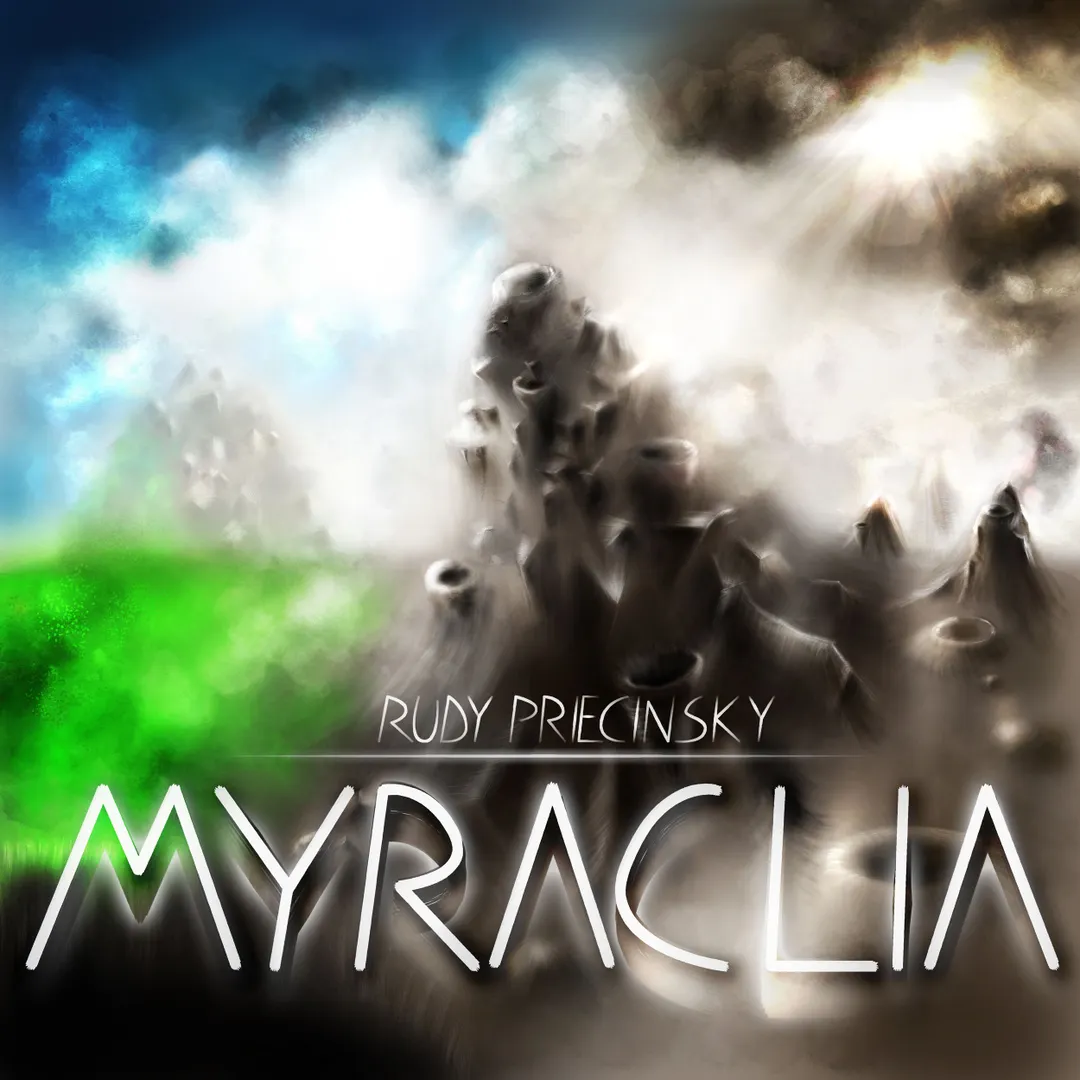
Myraclia es un juego de mesa publicado en 2020 para 2–5 jugadores, con partidas de 45 a 55 minutos y a partir de 10 años. Fue diseñado por Rudy Priecinsky y sus mecánicas principales son Set Collection, Area Majority / Influence y Tile Placement.


En inglés
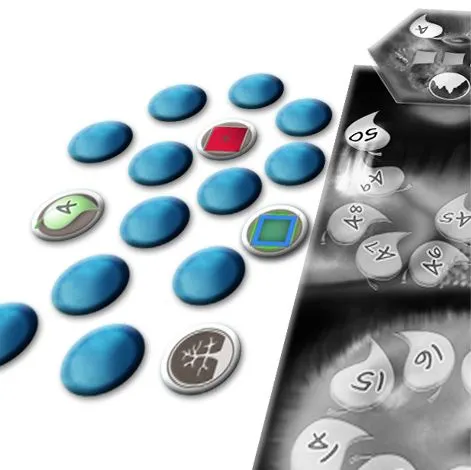
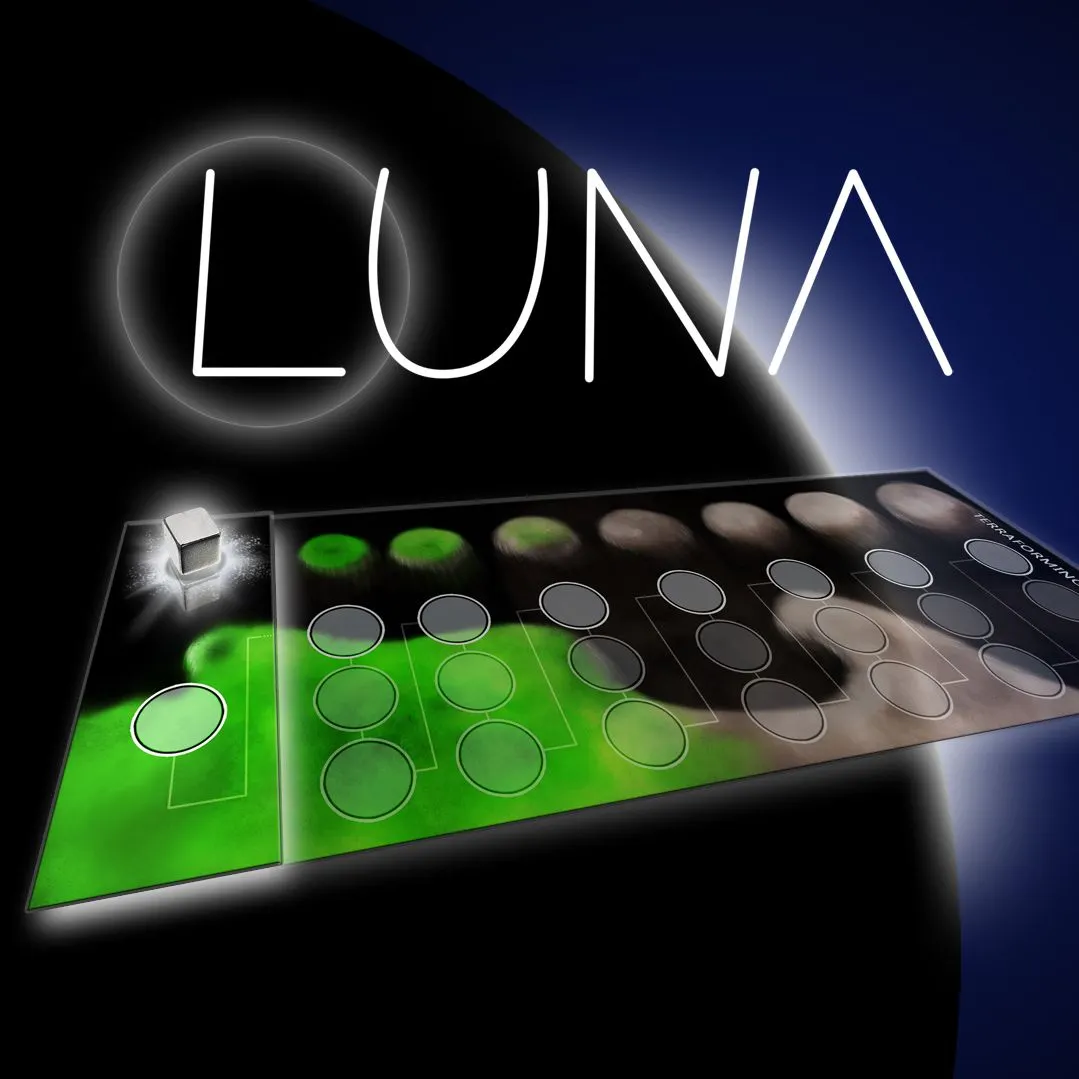
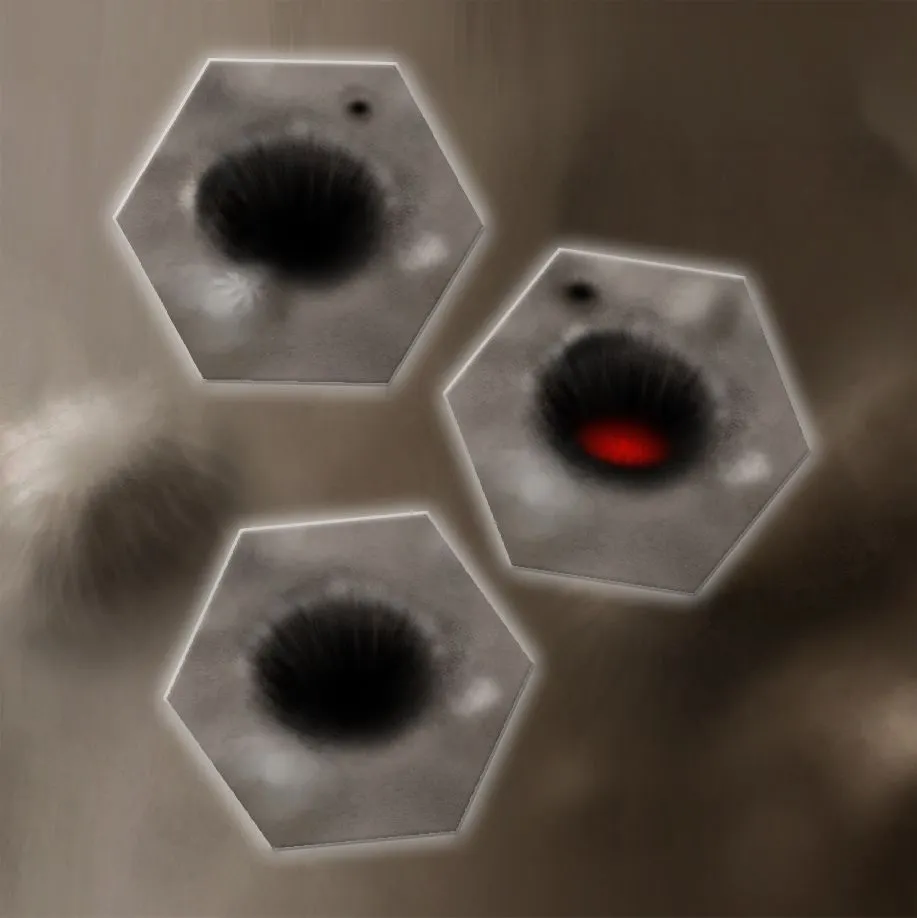
Created with love for openness and simplicity going along with a strong theme... Myraclia is a strategy game to be enjoyed on many occasions with many different people... Rudy Priecinsky, Designer of Myraclia - - - Planet Myraclia. Deserted and inhospitable. Wildly controlled by the elements. Life has no place here... But you came! With your divine powers. You know, or more precisely, you want to turn Myraclia...to a dreamed planet full of life. The task is not easy. You have to subdue chaotic elements of nature, organize them, establish order, to give life a chance... But you are not alone. Others want to turn Myraclia into their picture. Resources and time are limited. If you want to think of Myraclia as your creation, you have to fight with others ruthlessly for resources, but the form of Myraclia as well. Your goals are noble. But are your motives? - - - THE PRINCIPLE OF THE GAME In the game, you compete with other players for the title of The Creator of Myraclia. You are trying to get limited and chaotically emerging elements and sources of life. These are represented by glittering cubes in 7 colors in uneven numbers. You have to get them, organize them correctly, possibly replace them with the other player's elements, and ..... a miracle! The desolate and inhospitable part of Myraclia changes into a beautiful cradle of life. The Myraclia surface is divided into hexagonal tiles. One side of the tile represents the original look of Myraclia, before the transformation, without life, the other side of the terraformed appearance, the new beautiful face of Myraclia full of greenery. There are 4 types of surfaces, namely plains, forests, water areas, and mountains. The game takes place in rounds, divided into two basic phases. In the first – drafting phase – players alternate in the specified order and select one element (cube) from the drafting board to help them transform (re-shape) a part of the planet in the next phase. But remember. Not the same resources are available in each round. Those elements, which were abundant in the last round and nobody wanted them, can now be scarce and desirable. And vice versa. The price for gaining a rare element is great. Speed - and sometimes greed – during elements selection determine the player order for an important second phase. In the second phase - the terraformation - the players, according to the order set in the first phase, turn the individual deserted parts of the planet into Myraclia full of life. They discard the elements displayed on the Myraclia tile and turn it to a terraformed side. In most parts, they instantly earn points and/or a bonus in the form of the free released element. A released element can be used immediately. Order is key, but the first position does not necessarily mean an absolute advantage. If you were greedy in the first phase or you have chosen the wrong combination of elements, other players in turn could exchange their elements for your unused elements. The reward for the conversion of Myraclia is, in addition to the points, also the right to reveal new parts of the planet (by choosing new Myraclia tiles from the offer). The game ends in a round in which any player has terraformed 7 parts of Myraclia planet or if a certain part of the planet has been terraformed (i.e. it is not possible to replenish the offer of Myraclia tiles). Until the last moment, you cannot be sure who gets the title of The Creator of Myraclia. At final scoring, players are rewarded by the final look of the planet Myraclia and receive a bonus for the most consecutive terraformed area of the planet, for the variety of the terraformed surface, but also for the size of individual types of surfaces terraformed by the player. Your reward is a brand new Myraclia, beautiful, full of life. And also the feeling that you have contributed to it ..... the most.
Según el catálogo, Myraclia admite de 2 a 5 jugadores. Este intervalo corresponde al número de jugadores indicado por la editorial, así que el juego puede prepararse para cualquier grupo dentro de ese margen. La preparación, algunas reglas y la puntuación pueden variar según el número de jugadores; consulta la configuración exacta en el reglamento de tu edición.
La duración indicada para Myraclia es de 45 a 55 minutos, la estimación de la editorial para una partida completa. El tiempo real depende del grupo, del número de jugadores y del conocimiento de las reglas: las primeras partidas suelen alargarse y los grupos con experiencia terminan antes. La preparación y la explicación de las reglas no están incluidas.
El catálogo indica Myraclia a partir de 10 años. Es la recomendación de la editorial y refleja la lectura necesaria, la complejidad de las reglas y las piezas pequeñas, no solo el tema. Los más pequeños a menudo pueden jugar con ayuda de un adulto: comprueba la edad recomendada en tu edición y la experiencia de tu grupo.
Myraclia tiene una puntuación de complejidad de 2,3 sobre 5 según los jugadores de BoardGameGeek, lo que lo convierte en un juego algo ligero. La puntuación refleja cuánto conocimiento de reglas, planificación y toma de decisiones exige una partida típica. Los juegos exigentes requieren una explicación inicial más larga, así que conviene usar una guía de preparación.
Myraclia pertenece a estas categorías: Fantasy, Territory Building y Space Exploration. Sus mecánicas principales son Set Collection, Area Majority / Influence y Tile Placement. Las categorías describen el tema y la ambientación de un juego, mientras que las mecánicas describen lo que los jugadores hacen realmente en su turno. Cada mecánica lleva a una página del catálogo con juegos similares.
Los autores acreditados de Myraclia son: Rudy Priecinsky. Estos créditos proceden de los datos publicados del juego y nombran a las personas responsables de su diseño, no a ilustradores ni editoriales. Las páginas de autor de MeepleRules reúnen otros títulos de los mismos autores, algo útil cuando un juego te gusta y buscas otros parecidos.
El catálogo clasifica Myraclia como juego base. Se juega por sí solo con los componentes de la caja y no requiere ningún otro título. Las expansiones, si existen, añaden contenido o reglas nuevas y aparecen por separado en el catálogo con un enlace a este juego base.