
- Puesto en BGG
- BGG #5719
- Puntuación BGG
- 8,2
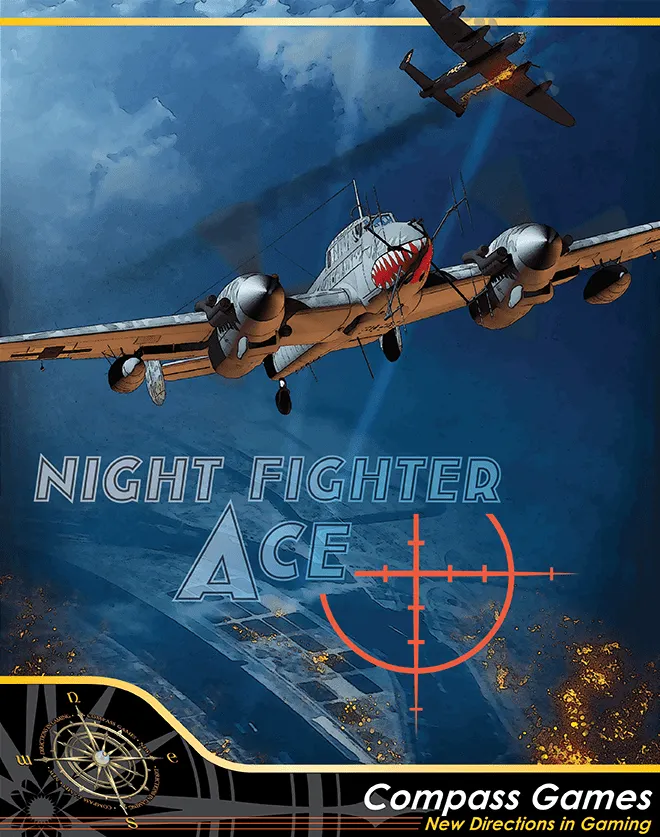
Nightfighter Ace: Air Defense Over Germany, 1943-44
- 1–2 jugadores
- 120–180 min
- Complejidad 2,3/5
- 2018
2019
Ayuda con las reglas de Pacific Tide: The United States Versus Japan, 1941-45
Explicaciones claras de turnos, efectos de cartas y situaciones dudosas, con referencias a fuentes oficiales e historial de preguntas guardado.
Para 1 jugador
¿Qué quieres saber?
Las respuestas salen del reglamento oficial, con la página para comprobarlo.
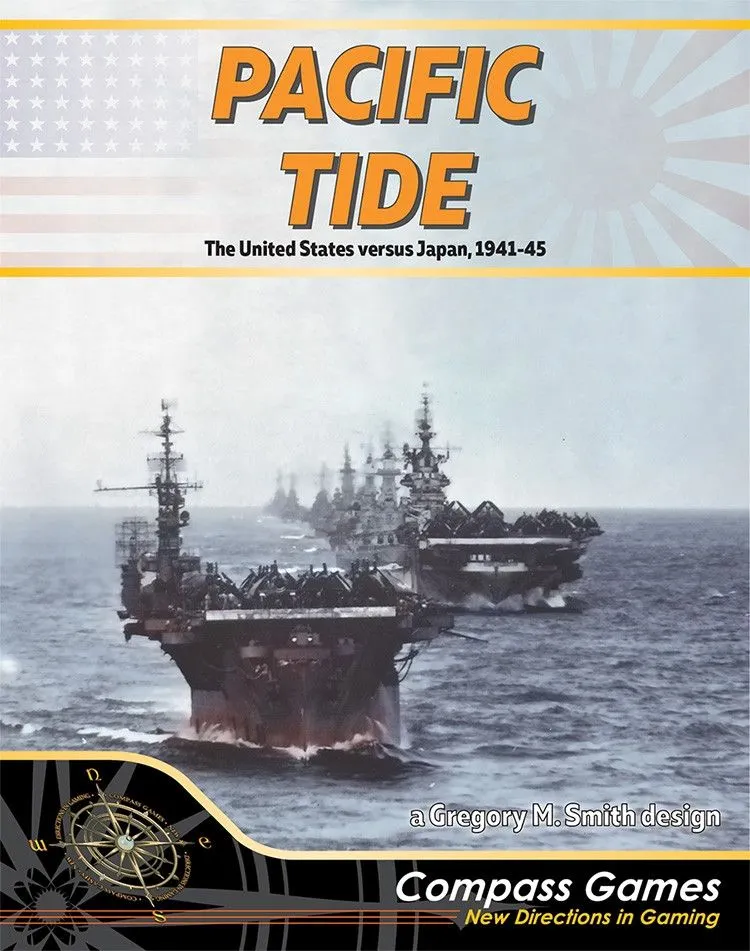
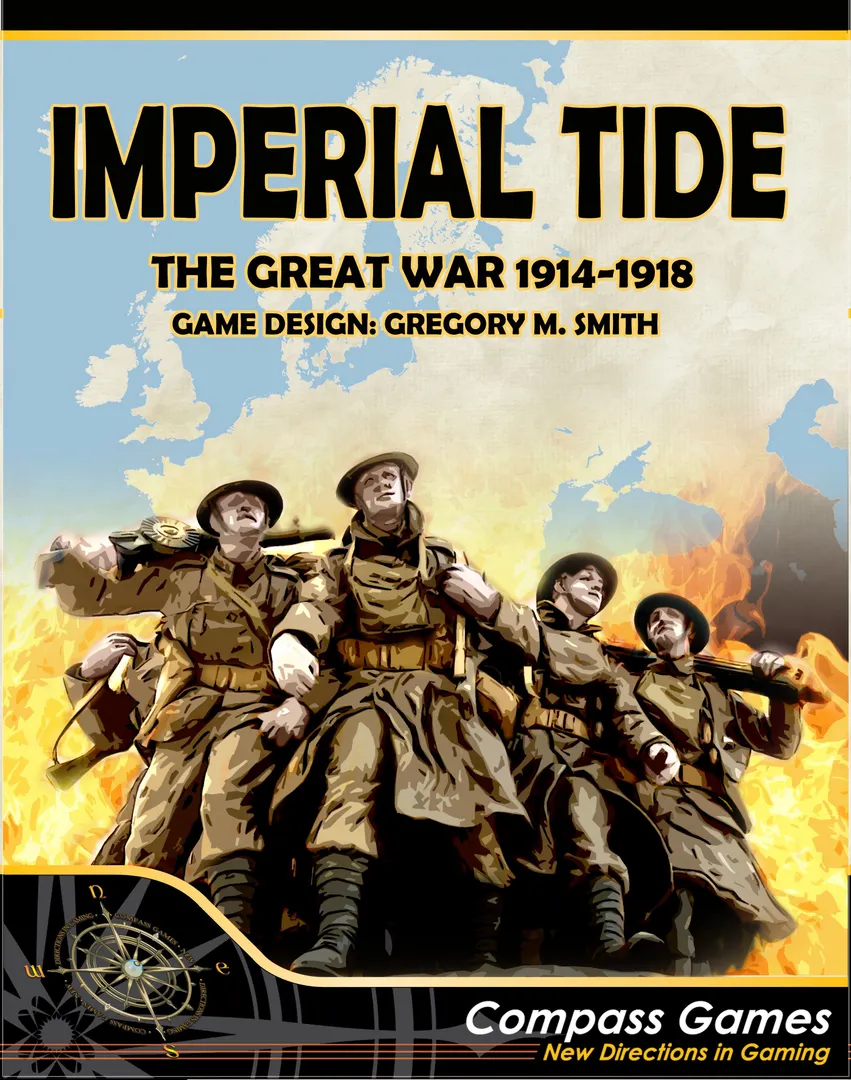
Pacific Tide: The United States Versus Japan, 1941-45 es un juego de mesa publicado en 2019 para 1–2 jugadores, con partidas de 120 a 240 minutos y a partir de 14 años. Fue diseñado por Gregory M. Smith y sus mecánicas principales son Area Movement, Dice Rolling y Point to Point Movement.
En inglés
Pacific Tide: The United States versus Japan, 1941-45 is a compact, Strategic-level board wargame covering the struggle between the United States (including some Commonwealth forces) and Japan in World War II by game designer Gregory M. Smith. This game utilizes a unique and fast-paced, card-driven combat/build system revolving around carrier operations which will provide players with a multitude of decisions. While extremely competitive as a two-player game, Pacific Tide can be enjoyed again and again in Solitaire play format with its unique, “personality” driven bot system. Despite the Strategic level of the game, there are operational and even tactical nuances, as players must decide when and how to commit their carrier forces, land-based air, and even their intelligence assets. To a degree, the Japanese player is racing against the clock. The quality of his pilots degrades over time, and starting in 1943, he also loses the strategic initiative as he becomes the second player. The US Player is also fighting the clock, as he cannot sit back and take a relaxed approach to defeating Japan. If he doesn't win by 1945, he doesn't win at all. Tension build as both sides race toward decisive carrier battles and seizure of key geographical objectives. The card-based combat/build system is a different take on the "normal" event/operations points driven systems. Separate card decks are provided for the U.S. and Japanese player. Each year, the players receive that year's cards for free…but must use build points to repurchase older cards. This will cause the player a few agonizing moments, as he typically cannot afford to re-buy every card he needs (or thinks he needs). Players must also decide which aspect of cards to use – many have multiple but exclusive uses (such as, "Do A or do B") and these uses sometimes give very different results based on operational or strategic needs at the time. To help ensure a tense and dynamic game, the system forces players to make many choices and decisions throughout play. Units comprise five different types: • CV units represent individual carriers or small groups of escort carriers • INF units represent all types of ground combat troops, including Marine and Army units • Naval Air units represent carrier borne aircraft • Land Air units represent bombers and fighters based on land • Partisan units represent the Filipino resistance, which grew to considerable size by the end of the war • Campaign set up and reinforcement codes are printed on the counter • Enhanced ergonomics are built into the set up and reinforcement charts Control and Entrench markers are also provided for play. Special rules are provided for amphibious attacks, repair of fleets, supply effects, and guerillas. Bidding rules determine which side one will play in a tournament-style play format. As a bonus for solo players, Pacific Tide features a solitaire assistant – commonly known as a "Bot" – which gives guidance to the player for either side during solitaire play. The assistant acts differently based on the "personality" it's been given...aggressive, defensive, or balanced. All game cards have a rating which the assistants will prioritize differently for play. While extremely competitive as a two-player game, Pacific Tide can be enjoyed again and again in solitaire play format with its unique, “personality” driven Bot-system. Product Information: Complexity: 3 out of 10 Solitaire Suitability: 10 out of 10 Time Scale: Single Year Turns with alternating, multiple cards plays per player Map Scale: Area map Unit Scale: from individual carriers or carrier groups, fleets, army-level infantry, air groups Players: one to two, best with two Playing Time: two to four hours Components: One map (17" x 22" map size) One Countersheet of 9/16” unit-counters 52 Game Cards Rules booklet 16 Six-sided Dice Box and Lid Game Credits: Designer: Gregory M. Smith Artist: Ilya Kudriashov Package Design: Ilya Kudriashov and Brien Miller Project Director: John Kranz
Según el catálogo, Pacific Tide: The United States Versus Japan, 1941-45 admite de 1 a 2 jugadores. Este intervalo corresponde al número de jugadores indicado por la editorial, así que el juego puede prepararse para cualquier grupo dentro de ese margen. La preparación, algunas reglas y la puntuación pueden variar según el número de jugadores; consulta la configuración exacta en el reglamento de tu edición.
La duración indicada para Pacific Tide: The United States Versus Japan, 1941-45 es de 120 a 240 minutos, la estimación de la editorial para una partida completa. El tiempo real depende del grupo, del número de jugadores y del conocimiento de las reglas: las primeras partidas suelen alargarse y los grupos con experiencia terminan antes. La preparación y la explicación de las reglas no están incluidas.
El catálogo indica Pacific Tide: The United States Versus Japan, 1941-45 a partir de 14 años. Es la recomendación de la editorial y refleja la lectura necesaria, la complejidad de las reglas y las piezas pequeñas, no solo el tema. Los más pequeños a menudo pueden jugar con ayuda de un adulto: comprueba la edad recomendada en tu edición y la experiencia de tu grupo.
Pacific Tide: The United States Versus Japan, 1941-45 tiene una puntuación de complejidad de 2,1 sobre 5 según los jugadores de BoardGameGeek, lo que lo convierte en un juego algo ligero. La puntuación refleja cuánto conocimiento de reglas, planificación y toma de decisiones exige una partida típica. Los juegos exigentes requieren una explicación inicial más larga, así que conviene usar una guía de preparación.
Pacific Tide: The United States Versus Japan, 1941-45 pertenece a estas categorías: Wargame, Nautical y World War II. Sus mecánicas principales son Area Movement, Dice Rolling y Point to Point Movement. Las categorías describen el tema y la ambientación de un juego, mientras que las mecánicas describen lo que los jugadores hacen realmente en su turno. Cada mecánica lleva a una página del catálogo con juegos similares.
Los autores acreditados de Pacific Tide: The United States Versus Japan, 1941-45 son: Gregory M. Smith. Estos créditos proceden de los datos publicados del juego y nombran a las personas responsables de su diseño, no a ilustradores ni editoriales. Las páginas de autor de MeepleRules reúnen otros títulos de los mismos autores, algo útil cuando un juego te gusta y buscas otros parecidos.
El catálogo clasifica Pacific Tide: The United States Versus Japan, 1941-45 como juego base. Se juega por sí solo con los componentes de la caja y no requiere ningún otro título. Las expansiones, si existen, añaden contenido o reglas nuevas y aparecen por separado en el catálogo con un enlace a este juego base.