
- Puesto en BGG
- BGG #2608
- Puntuación BGG
- 7,4
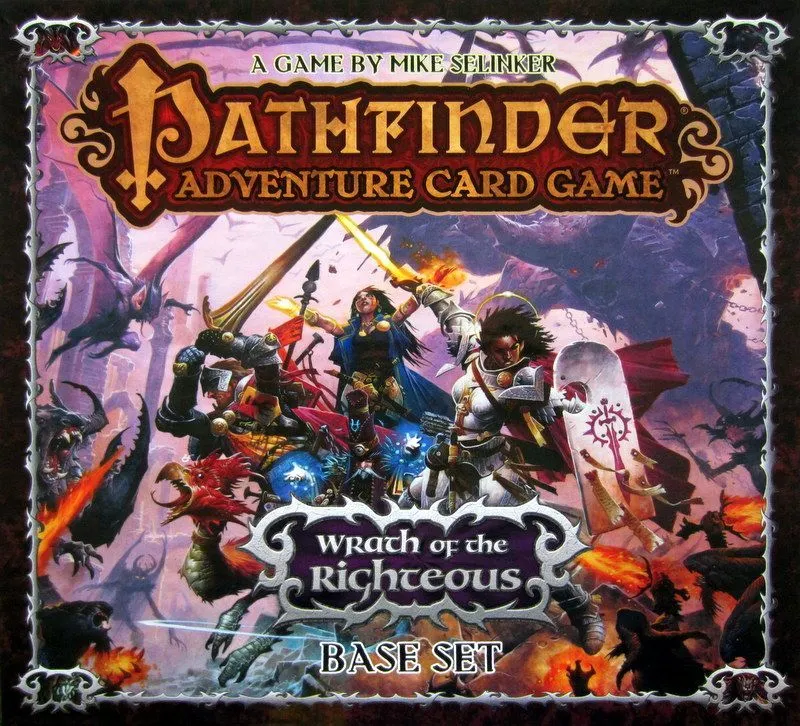
Pathfinder Adventure Card Game: Wrath of the Righteous – Base Set
- 1–4 jugadores
- 120 min
- Complejidad 3,1/5
- 2015
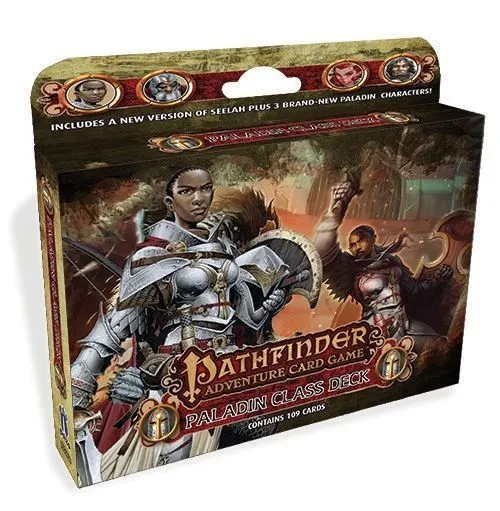
Expansión de Pathfinder Adventure Card Game: Mummy's Mask – Base Set
2015
Ayuda con las reglas de Pathfinder Adventure Card Game: Class Deck – Paladin
Explicaciones claras de turnos, efectos de cartas y situaciones dudosas, con referencias a fuentes oficiales e historial de preguntas guardado.
¿Qué quieres saber?
Las respuestas salen del reglamento oficial, con la página para comprobarlo.
Pathfinder Adventure Card Game: Class Deck – Paladin es una expansión de Pathfinder Adventure Card Game: Mummy's Mask – Base Set publicada en 2015. Fue diseñado por Paul Peterson, Mike Selinker, Liz Spain, Chad Brown, Tanis O'Connor y Gaby Weidling y sus mecánicas principales son Dice Rolling, Cooperative Game y Deck, Bag, and Pool Building.
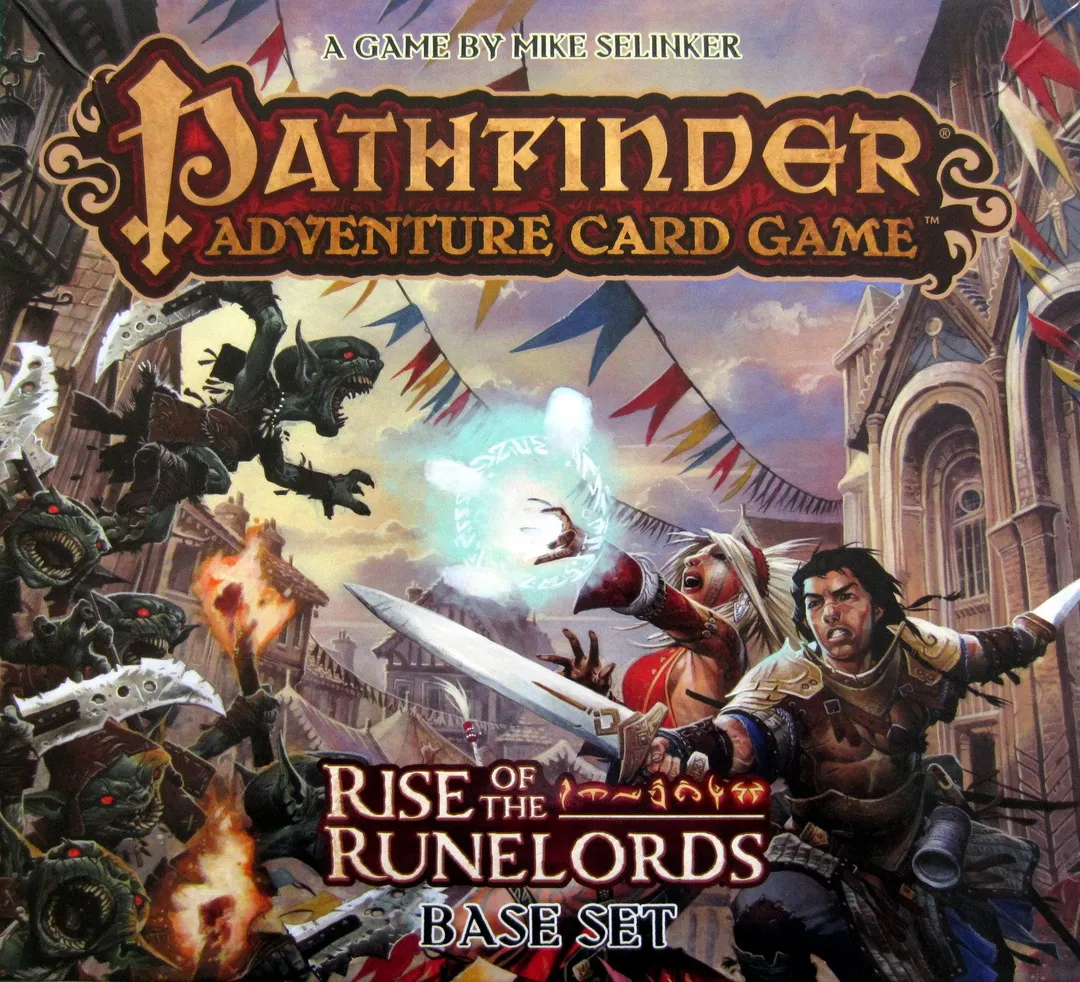


En inglés
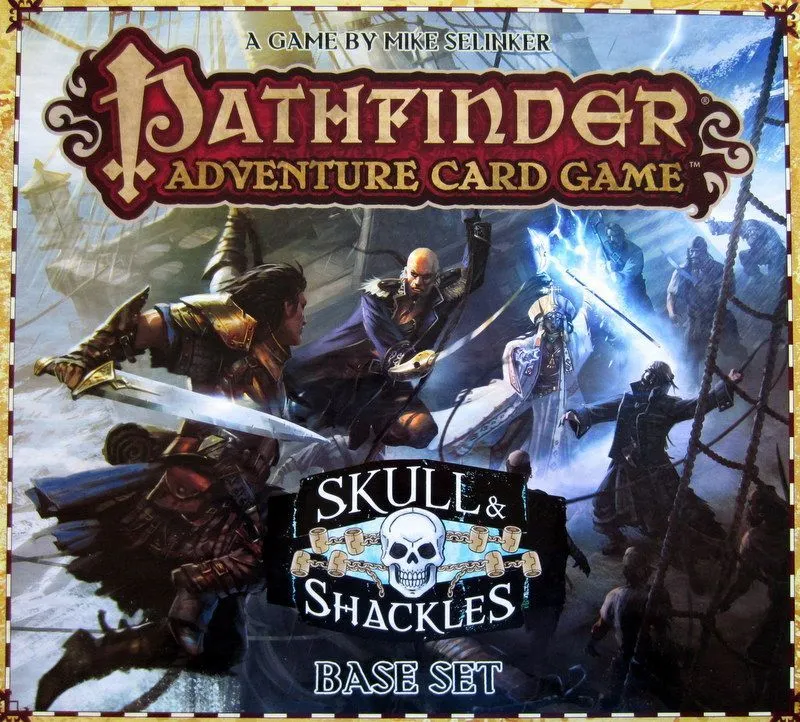
Faith and the Sword! Paladins serve as a shining beacon of purity and hope in a world beset by darkness. The Paladin Class Deck, a portable play accessory for the Pathfinder Adventure Card Game, allows players to bring these guardians of duty and honor to any Base Set, including the demon-filled Wrath of the Righteous campaign. The 109-card Paladin Class Deck contains 3 new characters, including the iconic holy warrior Seelah, and enough new and familiar weapons, spells, mounts, and other boons to bring your paladin through an entire Adventure Path. The deck is self-contained, so you can play your character at any table, and is also all you need to dive into the exciting Pathfinder Society Adventure Card Guild organized play campaign.
Pathfinder Adventure Card Game: Class Deck – Paladin pertenece a estas categorías: Card Game, Fantasy y Fighting. Sus mecánicas principales son Dice Rolling, Cooperative Game y Deck, Bag, and Pool Building. Las categorías describen el tema y la ambientación de un juego, mientras que las mecánicas describen lo que los jugadores hacen realmente en su turno. Cada mecánica lleva a una página del catálogo con juegos similares.
Los autores acreditados de Pathfinder Adventure Card Game: Class Deck – Paladin son: Paul Peterson, Mike Selinker, Liz Spain, Chad Brown, Tanis O'Connor y Gaby Weidling. Estos créditos proceden de los datos publicados del juego y nombran a las personas responsables de su diseño, no a ilustradores ni editoriales. Las páginas de autor de MeepleRules reúnen otros títulos de los mismos autores, algo útil cuando un juego te gusta y buscas otros parecidos.
El catálogo clasifica Pathfinder Adventure Card Game: Class Deck – Paladin como expansión de Pathfinder Adventure Card Game: Mummy's Mask – Base Set. Las expansiones añaden contenido, reglas o escenarios al juego base y normalmente no se pueden jugar solas, así que necesitas Pathfinder Adventure Card Game: Mummy's Mask – Base Set para usarla. Comprueba que tu edición de Pathfinder Adventure Card Game: Mummy's Mask – Base Set sea compatible, porque algunas expansiones se revisaron entre ediciones.