
- Puesto en BGG
- BGG #2675
- Puntuación BGG
- 7,0
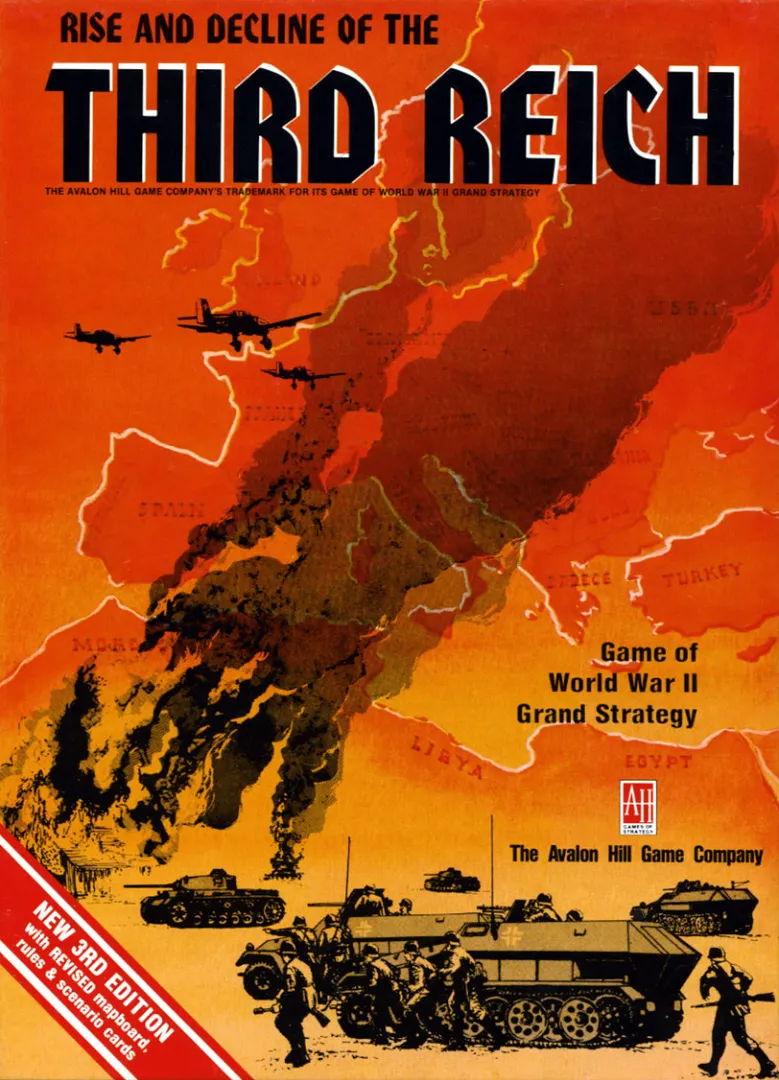
Rise and Decline of the Third Reich
- 2–6 jugadores
- 240–720 min
- Complejidad 4,3/5
- 1974
1977
Ayuda con las reglas de Pearl Harbor: The War Against Japan, 1941-1945
Explicaciones claras de turnos, efectos de cartas y situaciones dudosas, con referencias a fuentes oficiales e historial de preguntas guardado.
¿Qué quieres saber?
Las respuestas salen del reglamento oficial, con la página para comprobarlo.
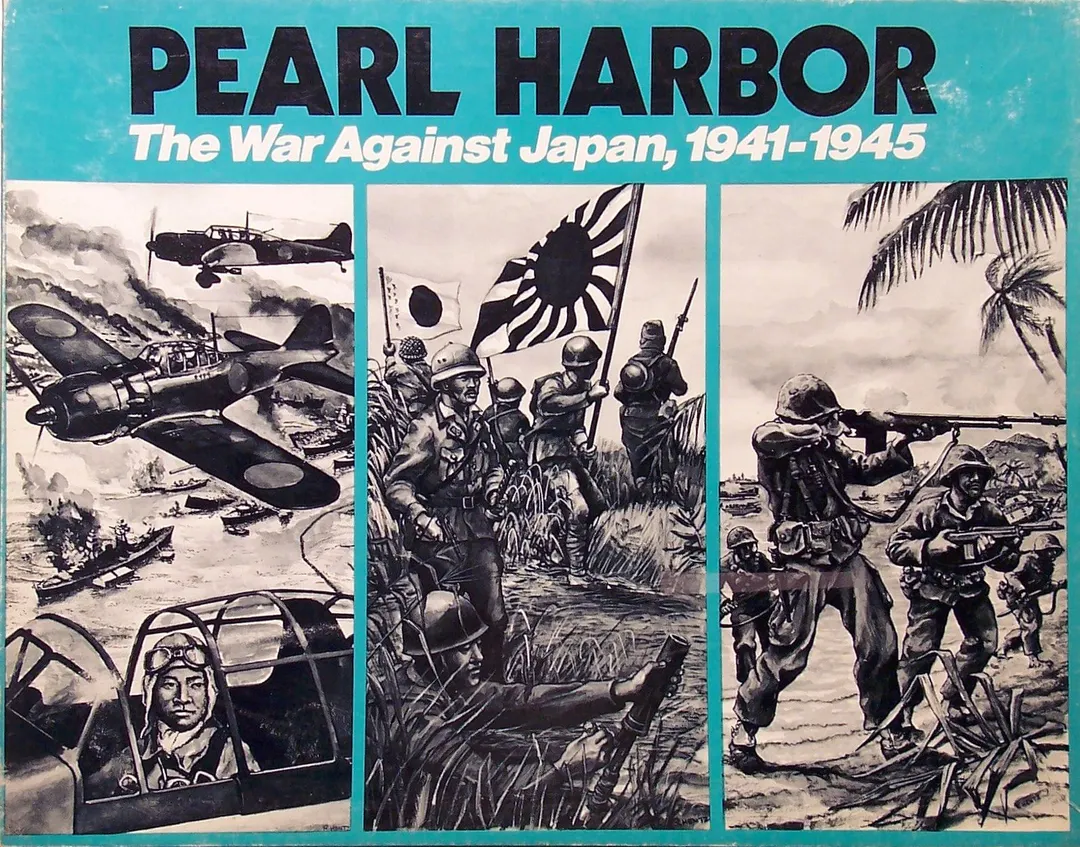
Pearl Harbor: The War Against Japan, 1941-1945 es un juego de mesa publicado en 1977 para 2–7 jugadores, con partidas de 180 minutos y a partir de 12 años. Fue diseñado por John Prados y sus mecánicas principales son Trading, Dice Rolling y Variable Set-up.







En inglés
"Pearl Harbor: The War Against Japan, 1941-1945" "A board-wargame simulation of the Pacific and Asian Theaters of World War II, at the strategic level. Simulated are the major political, military, and economic events of the war from 1941 through 1945, as Japan fought the United States for mastery of East Asia and the Pacific. Two scenarios and a campaign game chart the course of the war." From First Edition Rules 1977: Pearl Harbor is a strategic game-simulation of the Great Pacific War, fought between Japan and the Allied powers from December 1941 to September 1945. The game conveys the major military, political and economic events of the war. The map covers the broad expanses over which the fighting occurred from Pearl Harbor to India, on a scale of approximately 200 kilometers to the hex, but varying somewhat due to the range of geographic latitudes involved, given the map projection used to create the board. The turns each represent three months of real time Pearl Harbor is actually several games in one. the basic game is played in scenarios which deal with different periods of the fighting, using pieces that represent historical forces arranged in optimized groups. The campaign game links the scenarios together. Advance and optional rules include measures for adding additional complexity to the game as well as for injecting variations on the basic situations and the campaign game. Pearl Harbor ranges from a two-player game to a multi-player arrangement using the same rules, with players representing the Powers involved on the Allied side (United States, Great Britain, China) and the separate armed services on the Japanese side (Japanese Army and Imperial Navy). Players will procure and maneuver their pieces and engage in combat, in an attempt to seize and maintain control over important objectives in the Pacific Ocean area. All service arms (Army, Navy, Air Force and Naval Air) participate in this attempt. Data for Second (boxed) edition 1979: 1 large map; 3.5 countersheets; 840 counters. Map and Time Scale: 200km/hx; 3 months/turn. Land units are corps and armies; naval units are multi-ship formations. Source: Text on the Sides of the Box, and (for time scale) a BGG review.
Según el catálogo, Pearl Harbor: The War Against Japan, 1941-1945 admite de 2 a 7 jugadores. Este intervalo corresponde al número de jugadores indicado por la editorial, así que el juego puede prepararse para cualquier grupo dentro de ese margen. La preparación, algunas reglas y la puntuación pueden variar según el número de jugadores; consulta la configuración exacta en el reglamento de tu edición.
La duración indicada para Pearl Harbor: The War Against Japan, 1941-1945 es de 180 minutos, la estimación de la editorial para una partida completa. El tiempo real depende del grupo, del número de jugadores y del conocimiento de las reglas: las primeras partidas suelen alargarse y los grupos con experiencia terminan antes. La preparación y la explicación de las reglas no están incluidas.
El catálogo indica Pearl Harbor: The War Against Japan, 1941-1945 a partir de 12 años. Es la recomendación de la editorial y refleja la lectura necesaria, la complejidad de las reglas y las piezas pequeñas, no solo el tema. Los más pequeños a menudo pueden jugar con ayuda de un adulto: comprueba la edad recomendada en tu edición y la experiencia de tu grupo.
Pearl Harbor: The War Against Japan, 1941-1945 tiene una puntuación de complejidad de 3,2 sobre 5 según los jugadores de BoardGameGeek, lo que lo convierte en un juego de complejidad media. La puntuación refleja cuánto conocimiento de reglas, planificación y toma de decisiones exige una partida típica. Los juegos exigentes requieren una explicación inicial más larga, así que conviene usar una guía de preparación.
Pearl Harbor: The War Against Japan, 1941-1945 pertenece a estas categorías: Wargame, Nautical y World War II. Sus mecánicas principales son Trading, Dice Rolling y Variable Set-up. Las categorías describen el tema y la ambientación de un juego, mientras que las mecánicas describen lo que los jugadores hacen realmente en su turno. Cada mecánica lleva a una página del catálogo con juegos similares.
Los autores acreditados de Pearl Harbor: The War Against Japan, 1941-1945 son: John Prados. Estos créditos proceden de los datos publicados del juego y nombran a las personas responsables de su diseño, no a ilustradores ni editoriales. Las páginas de autor de MeepleRules reúnen otros títulos de los mismos autores, algo útil cuando un juego te gusta y buscas otros parecidos.
El catálogo clasifica Pearl Harbor: The War Against Japan, 1941-1945 como juego base. Se juega por sí solo con los componentes de la caja y no requiere ningún otro título. Las expansiones, si existen, añaden contenido o reglas nuevas y aparecen por separado en el catálogo con un enlace a este juego base.