
- Puesto en BGG
- BGG #3974
- Puntuación BGG
- 7,3
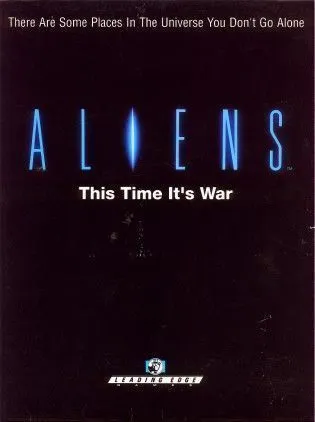
Aliens
- 1–9 jugadores
- 90 min
- Complejidad 2,2/5
- 1989
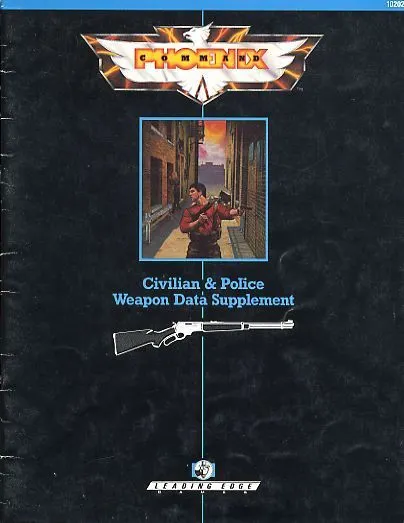
Ayuda con las reglas de Phoenix Command: Civilian & Police Weapon Data Supplement
Explicaciones claras de turnos, efectos de cartas y situaciones dudosas, con referencias a fuentes oficiales e historial de preguntas guardado.
¿Qué quieres saber?
Las respuestas salen del reglamento oficial, con la página para comprobarlo.
Phoenix Command: Civilian & Police Weapon Data Supplement es una expansión de Phoenix Command publicada en 1987 para 2–12 jugadores. Fue diseñado por Barry Nakazono y David McKenzie.

En inglés
While primarily thought of as a combat system for Leading Edge's Rhand Morningstar Missions RPG, the original Phoenix Command rules were also intended to be used for man-toman skirmish wargaming, either on the tabletop or a hex map. Phoenix Command takes to the streets.This supplement to the Phoenix Command Small Arms Combat System includes over 100 common small arms currently available to civilians, or in use by police forces across the United States. Included are: - Revolvers (from Twin Shot Derringer to 44 Magnum) - Automatic Pistols (22 Long Rigle to 44 AutoMag) - Bolt Action rifles (Remington 22-250 to 460 Weatherby) - Lever action rifles (20-20 to 444 Marlin) - Semi-automatic rifles (Ruger 10/22 to Browning BAR) - Paramilitary weapons (Uzi pistol to HK 93) - Police weapons (AMD180 to M40 Sniper Rifle) - Shotguns (410 Gauge to 10 Gauge Magnum) With this fully illustrated supplement, Phoenix Command has a whole new range of uses, including police, espionage, and post-apocalypse settings. The Revolution in Game Design continues -from the back of the book
Según el catálogo, Phoenix Command: Civilian & Police Weapon Data Supplement admite de 2 a 12 jugadores. Este intervalo corresponde al número de jugadores indicado por la editorial, así que el juego puede prepararse para cualquier grupo dentro de ese margen. La preparación, algunas reglas y la puntuación pueden variar según el número de jugadores; consulta la configuración exacta en el reglamento de tu edición.
Phoenix Command: Civilian & Police Weapon Data Supplement pertenece a estas categorías: Wargame, Miniatures y Expansion for Base-game. Las categorías describen el tema, la ambientación y el estilo de un juego, no sus reglas. Filtra el catálogo por la misma categoría para encontrar juegos similares si te gustó Phoenix Command: Civilian & Police Weapon Data Supplement y buscas algo parecido para tu próxima noche de juegos.
Los autores acreditados de Phoenix Command: Civilian & Police Weapon Data Supplement son: Barry Nakazono y David McKenzie. Estos créditos proceden de los datos publicados del juego y nombran a las personas responsables de su diseño, no a ilustradores ni editoriales. Las páginas de autor de MeepleRules reúnen otros títulos de los mismos autores, algo útil cuando un juego te gusta y buscas otros parecidos.
El catálogo clasifica Phoenix Command: Civilian & Police Weapon Data Supplement como expansión de Phoenix Command. Las expansiones añaden contenido, reglas o escenarios al juego base y normalmente no se pueden jugar solas, así que necesitas Phoenix Command para usarla. Comprueba que tu edición de Phoenix Command sea compatible, porque algunas expansiones se revisaron entre ediciones.