
- Puntuación BGG
- 7,5
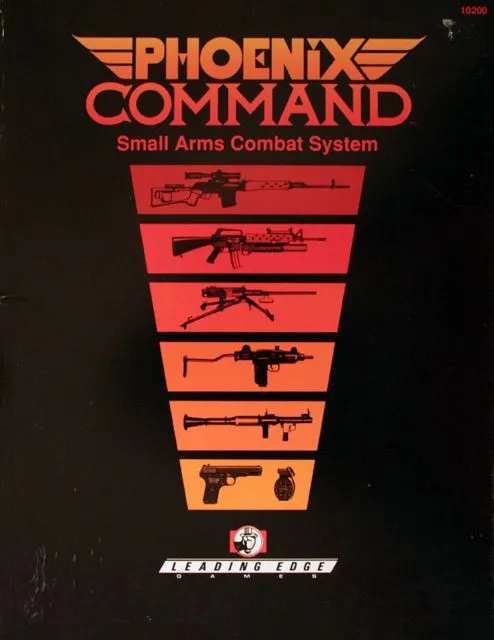
Phoenix Command: Advanced Rules for Small Arms Combat
- 2–12 jugadores
- 1986
1986
Ayuda con las reglas de Phoenix Command
Explicaciones claras de turnos, efectos de cartas y situaciones dudosas, con referencias a fuentes oficiales e historial de preguntas guardado.
Para 2 jugadores
¿Qué quieres saber?
Las respuestas salen del reglamento oficial, con la página para comprobarlo.
Phoenix Command es un juego de mesa publicado en 1986 para 2–12 jugadores y con partidas de 60 a 240 minutos. Fue diseñado por Barry Nakazono y sus mecánicas principales son Dice Rolling, Grid Movement y Role Playing.

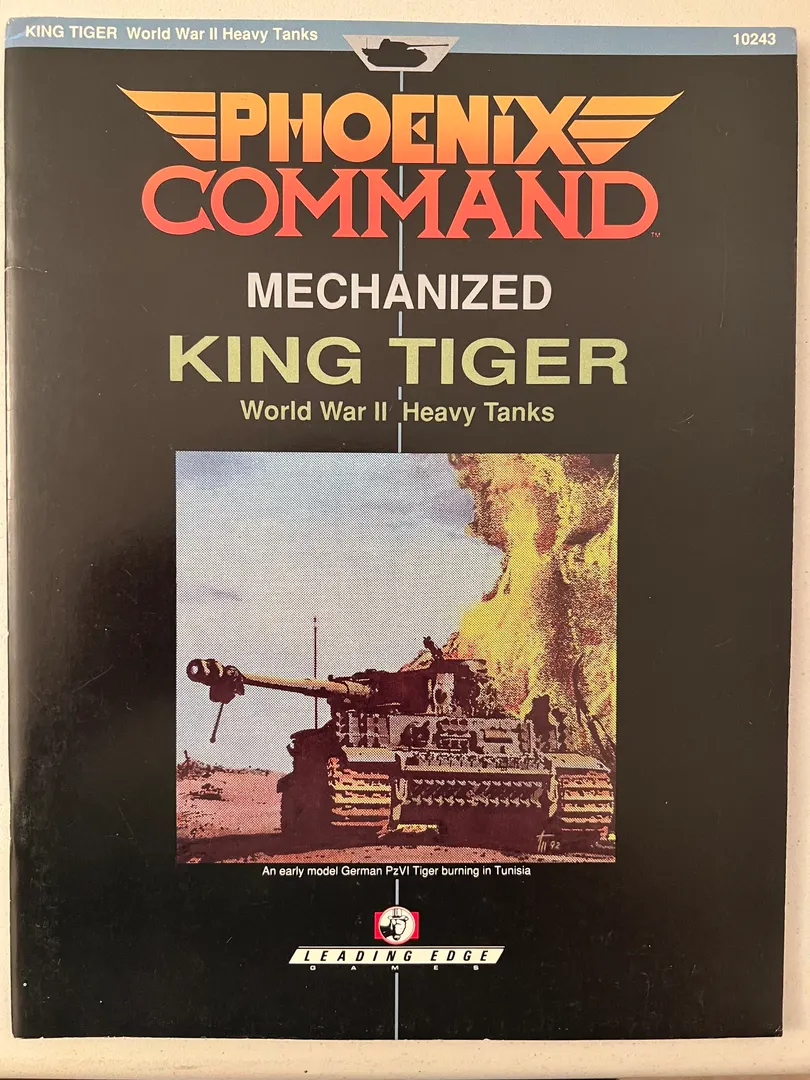
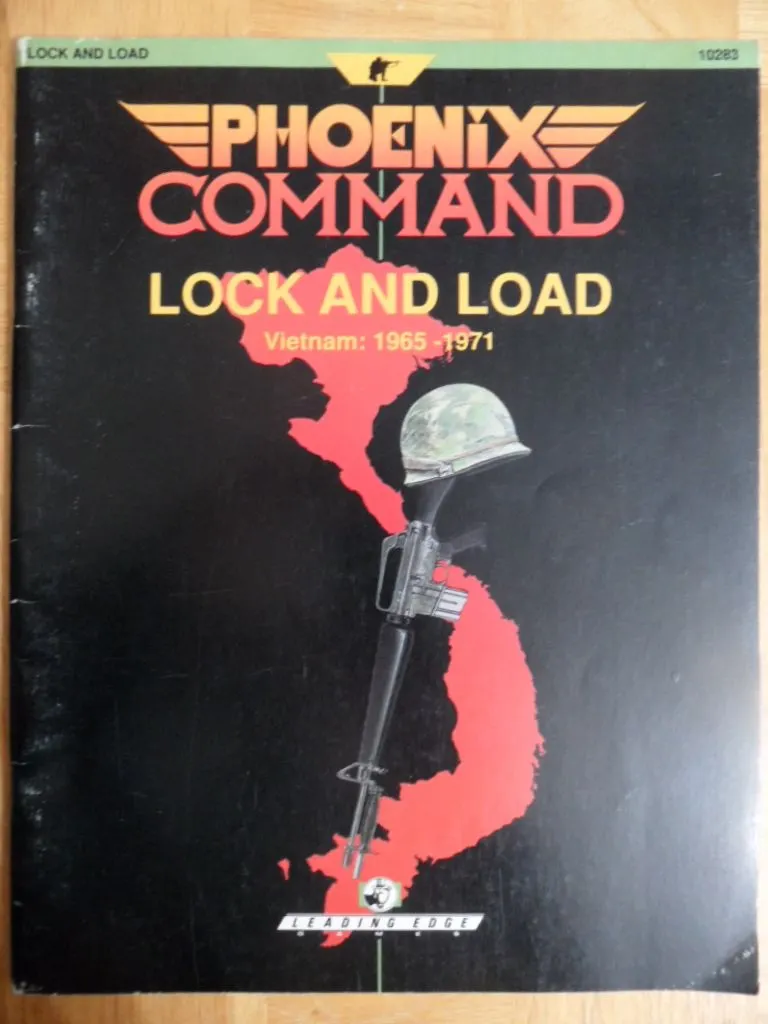
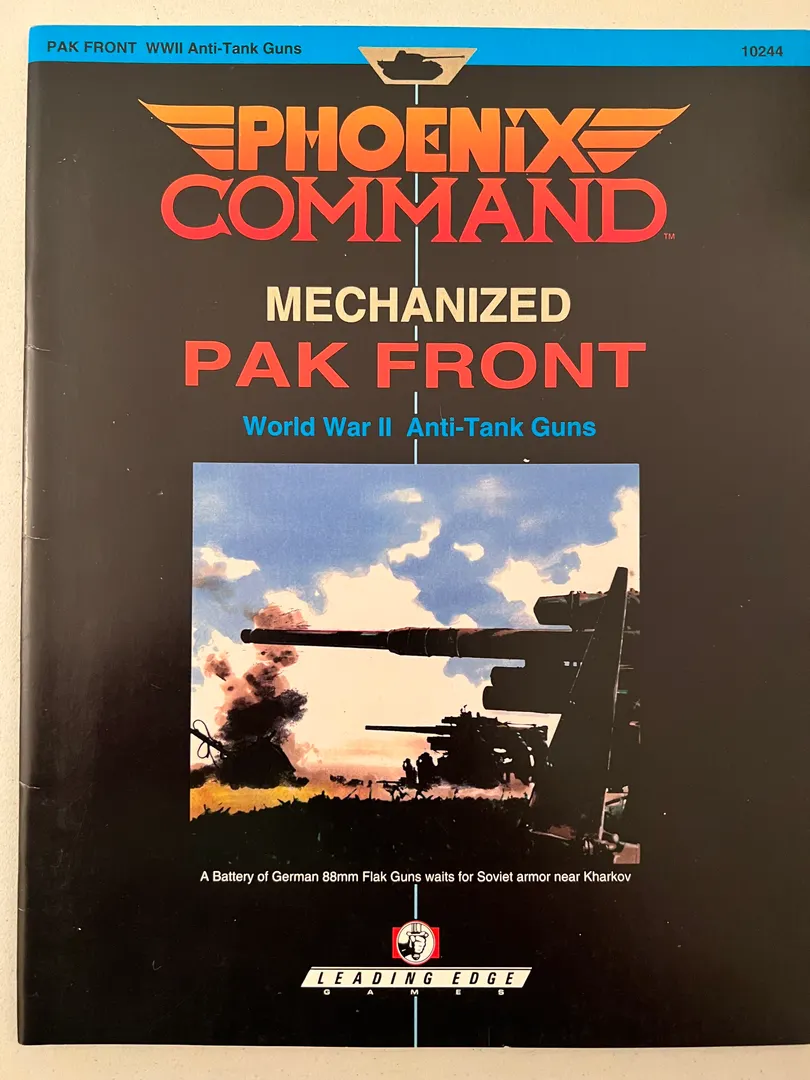
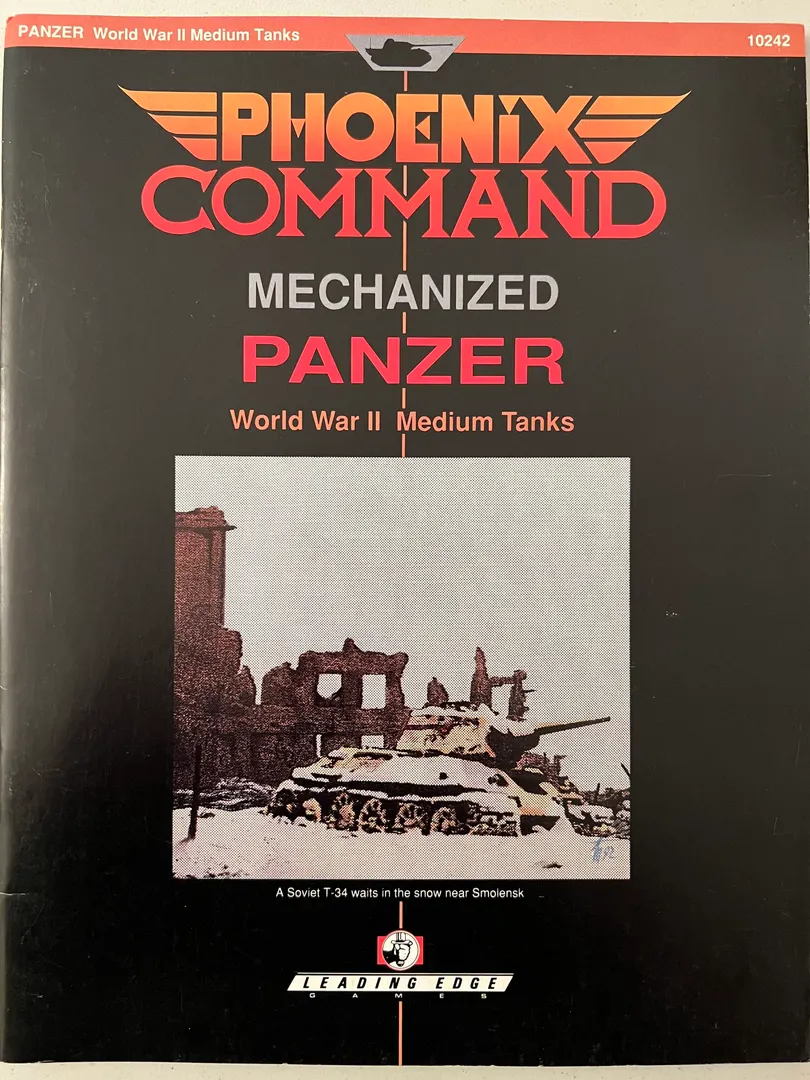


En inglés
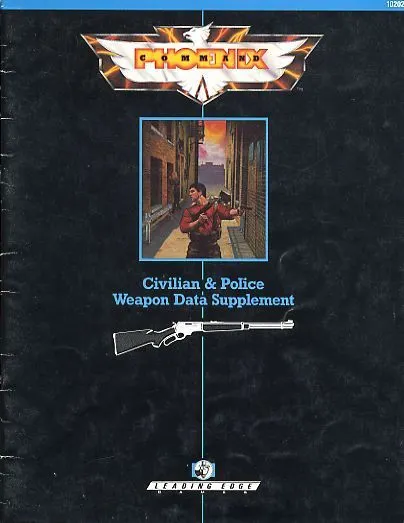
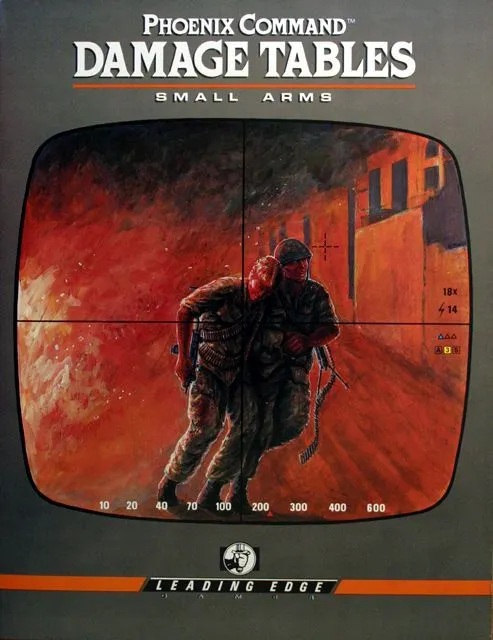
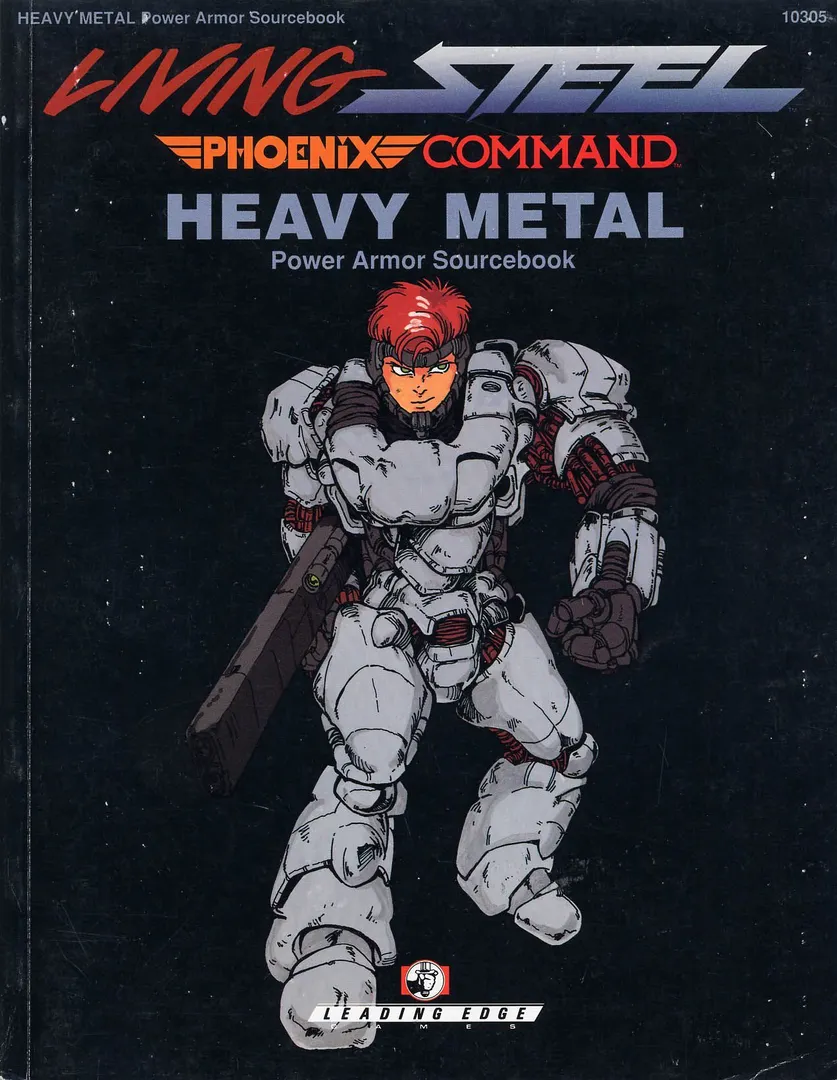
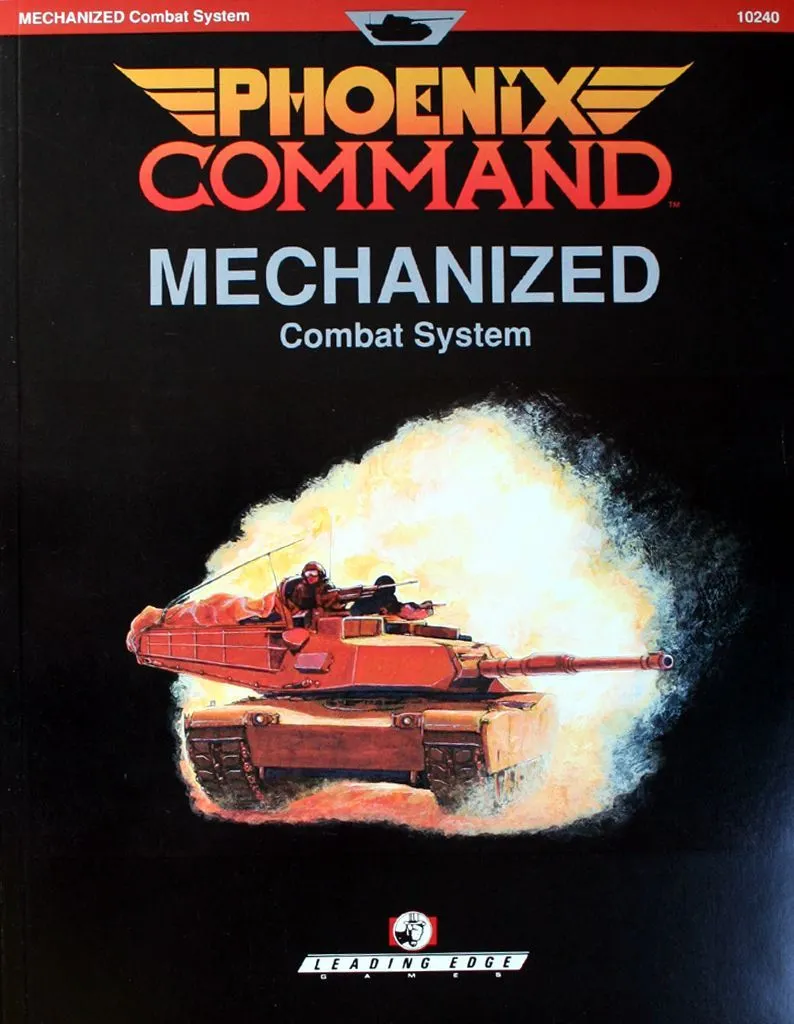
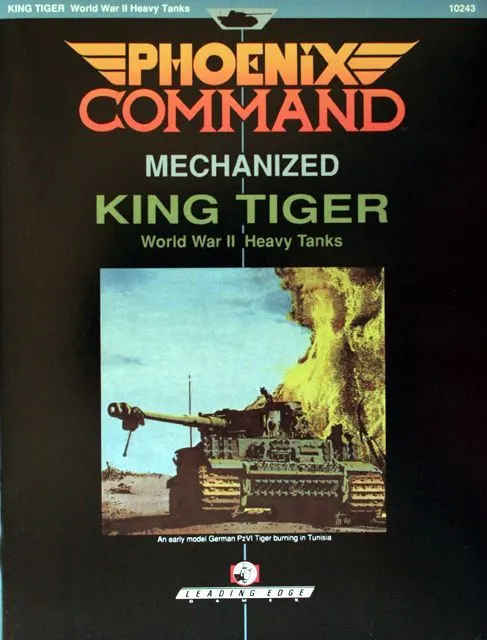
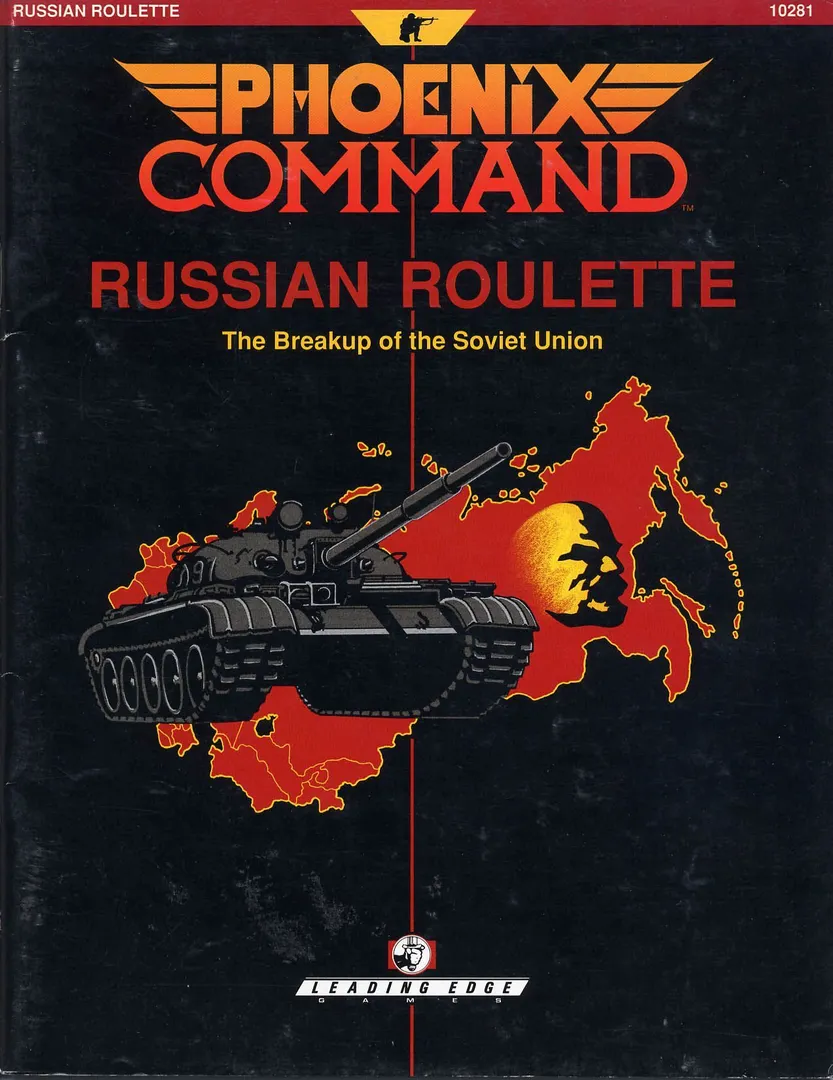
Also known as the Phoenix Command Combat System. A small arms combat system for use with miniatures. While primarily thought of as a combat system for Leading Edge's Rhand Morningstar Missions RPG, the original Phoenix Command rules were also intended to be used for wargaming, either on the tabletop or a hex map. The game system concentrates on "ultra realistic" (in the form of ultra-detailed) firearms combat: "Phoenix Command combines accurate simulation of gunshot wounds with detailed aiming and firing rules, and authentic modern weapon data to create a simple, fast-paced game with an incredibly realistic feel." Two sample hex map scenarios were included: The Bridge at Oppenheim (for 6-9 players, a NATO squad holds a bridge against a Soviet advance) and The Defense of the Apollo Ray (for 5 players, SAS versus terrorists hijacking a luxury liner). A number of supplements supplied the statistics for firearms of different eras. These initially included supplements for Modern Military Small Arms (1946-1960), Civilian & Police Weapons (1946-1990), Military Weapons of WWII (1919-1945), and Military Weapons of WWI (1890-1918). More detail description of all book published can be found on RPG Geek.
Según el catálogo, Phoenix Command admite de 2 a 12 jugadores. Este intervalo corresponde al número de jugadores indicado por la editorial, así que el juego puede prepararse para cualquier grupo dentro de ese margen. La preparación, algunas reglas y la puntuación pueden variar según el número de jugadores; consulta la configuración exacta en el reglamento de tu edición.
La duración indicada para Phoenix Command es de 60 a 240 minutos, la estimación de la editorial para una partida completa. El tiempo real depende del grupo, del número de jugadores y del conocimiento de las reglas: las primeras partidas suelen alargarse y los grupos con experiencia terminan antes. La preparación y la explicación de las reglas no están incluidas.
Phoenix Command tiene una puntuación de complejidad de 4,2 sobre 5 según los jugadores de BoardGameGeek, lo que lo convierte en un juego exigente. La puntuación refleja cuánto conocimiento de reglas, planificación y toma de decisiones exige una partida típica. Los juegos exigentes requieren una explicación inicial más larga, así que conviene usar una guía de preparación.
Phoenix Command pertenece a estas categorías: Wargame, Miniatures y Modern Warfare. Sus mecánicas principales son Dice Rolling, Grid Movement y Role Playing. Las categorías describen el tema y la ambientación de un juego, mientras que las mecánicas describen lo que los jugadores hacen realmente en su turno. Cada mecánica lleva a una página del catálogo con juegos similares.
Los autores acreditados de Phoenix Command son: Barry Nakazono. Estos créditos proceden de los datos publicados del juego y nombran a las personas responsables de su diseño, no a ilustradores ni editoriales. Las páginas de autor de MeepleRules reúnen otros títulos de los mismos autores, algo útil cuando un juego te gusta y buscas otros parecidos.
El catálogo clasifica Phoenix Command como juego base. Se juega por sí solo con los componentes de la caja y no requiere ningún otro título. Las expansiones, si existen, añaden contenido o reglas nuevas y aparecen por separado en el catálogo con un enlace a este juego base.