
- Puesto en BGG
- BGG #3974
- Puntuación BGG
- 7,3
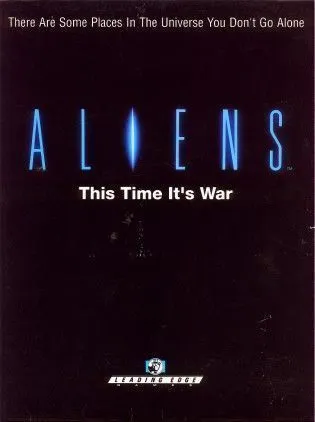
Aliens
- 1–9 jugadores
- 90 min
- Complejidad 2,2/5
- 1989
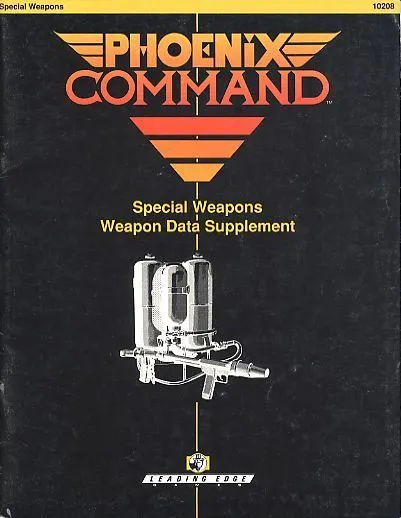
Ayuda con las reglas de Phoenix Command: Special Weapons Weapon Data Supplement
Explicaciones claras de turnos, efectos de cartas y situaciones dudosas, con referencias a fuentes oficiales e historial de preguntas guardado.
¿Qué quieres saber?
Las respuestas salen del reglamento oficial, con la página para comprobarlo.
Phoenix Command: Special Weapons Weapon Data Supplement es una expansión de Phoenix Command publicada en 1989 para 2–12 jugadores. Fue diseñado por Barry Nakazono y David McKenzie.

En inglés
While primarily thought of as a combat system for Leading Edge's Rhand Morningstar Missions RPG, the original Phoenix Command rules were also intended to be used for man-to-man skirmish wargaming, either on the tabletop or a hex map. This Special Weapons Supplement to the Phoenix Command Combat System contains all the necessary rules and data for a wide variety of unusual or distinctive weapon systems, included are:- Riot Control Gear, from Tear Gas to Plastic Bullets - Protest Weapons, from Rocks and Bottles to Molotov Cocktails - Incendiary Weapons, from White Phosphorus Grenades to World War II and Modern Flamethrowers - Modern Military Equipment, from Claymore Mines to Miniguns - Archery Equipment, from the Horsebow of ancient times to the modern Compound Target Bow - Weapons of Stealth, from Silencers for Sub-machineguns and Pistols to Garrotes and Strangulation Techniques This supplement allows Phoenix Command players to incorporate a wide variety of powerful, unusual, or highly specialized weapons into their gaming. -from the back cover
Según el catálogo, Phoenix Command: Special Weapons Weapon Data Supplement admite de 2 a 12 jugadores. Este intervalo corresponde al número de jugadores indicado por la editorial, así que el juego puede prepararse para cualquier grupo dentro de ese margen. La preparación, algunas reglas y la puntuación pueden variar según el número de jugadores; consulta la configuración exacta en el reglamento de tu edición.
Phoenix Command: Special Weapons Weapon Data Supplement pertenece a estas categorías: Miniatures, Expansion for Base-game y Book. Las categorías describen el tema, la ambientación y el estilo de un juego, no sus reglas. Filtra el catálogo por la misma categoría para encontrar juegos similares si te gustó Phoenix Command: Special Weapons Weapon Data Supplement y buscas algo parecido para tu próxima noche de juegos.
Los autores acreditados de Phoenix Command: Special Weapons Weapon Data Supplement son: Barry Nakazono y David McKenzie. Estos créditos proceden de los datos publicados del juego y nombran a las personas responsables de su diseño, no a ilustradores ni editoriales. Las páginas de autor de MeepleRules reúnen otros títulos de los mismos autores, algo útil cuando un juego te gusta y buscas otros parecidos.
El catálogo clasifica Phoenix Command: Special Weapons Weapon Data Supplement como expansión de Phoenix Command. Las expansiones añaden contenido, reglas o escenarios al juego base y normalmente no se pueden jugar solas, así que necesitas Phoenix Command para usarla. Comprueba que tu edición de Phoenix Command sea compatible, porque algunas expansiones se revisaron entre ediciones.