

- Puntuación BGG
- 8,1
Pike & Shotte: The Devil's Playground
- 2 jugadores
- 2015

2012
Ayuda con las reglas de Pike & Shotte
Explicaciones claras de turnos, efectos de cartas y situaciones dudosas, con referencias a fuentes oficiales e historial de preguntas guardado.
¿Qué quieres saber?
Las respuestas salen del reglamento oficial, con la página para comprobarlo.
Pike & Shotte es un juego de mesa publicado en 2012 para 2–4 jugadores. Fue diseñado por Rick Priestley y Steve Morgan y sus mecánicas principales son Dice Rolling, Variable Set-up y Simulation.





En inglés
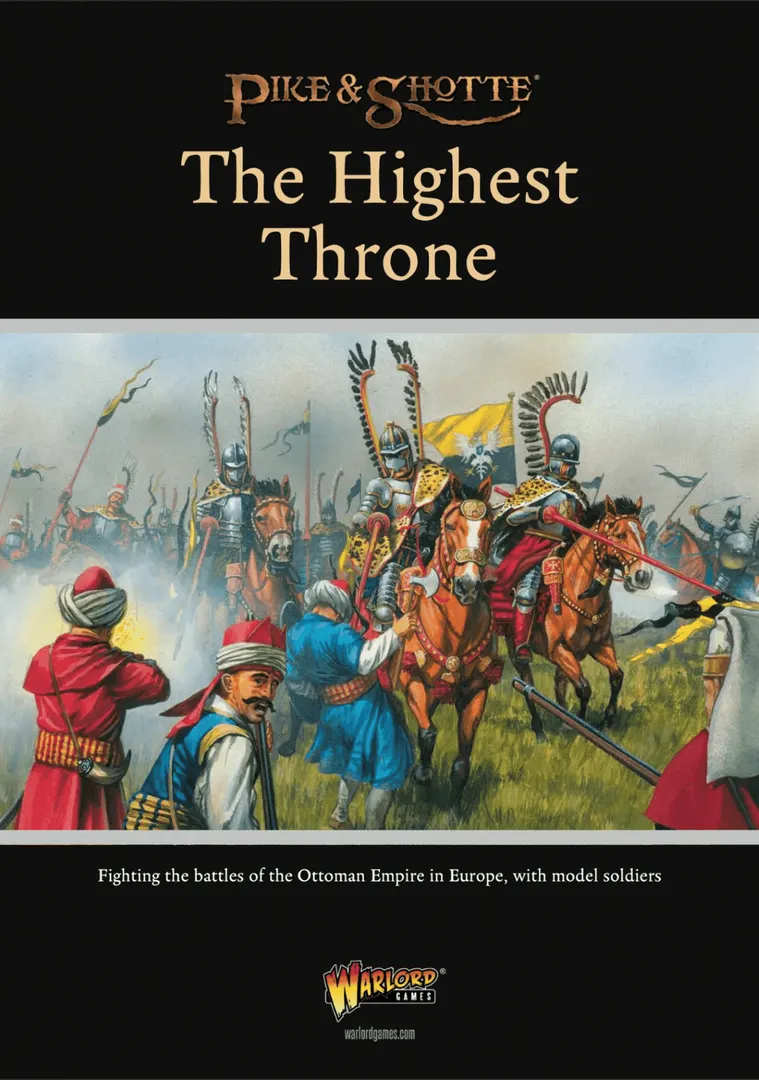
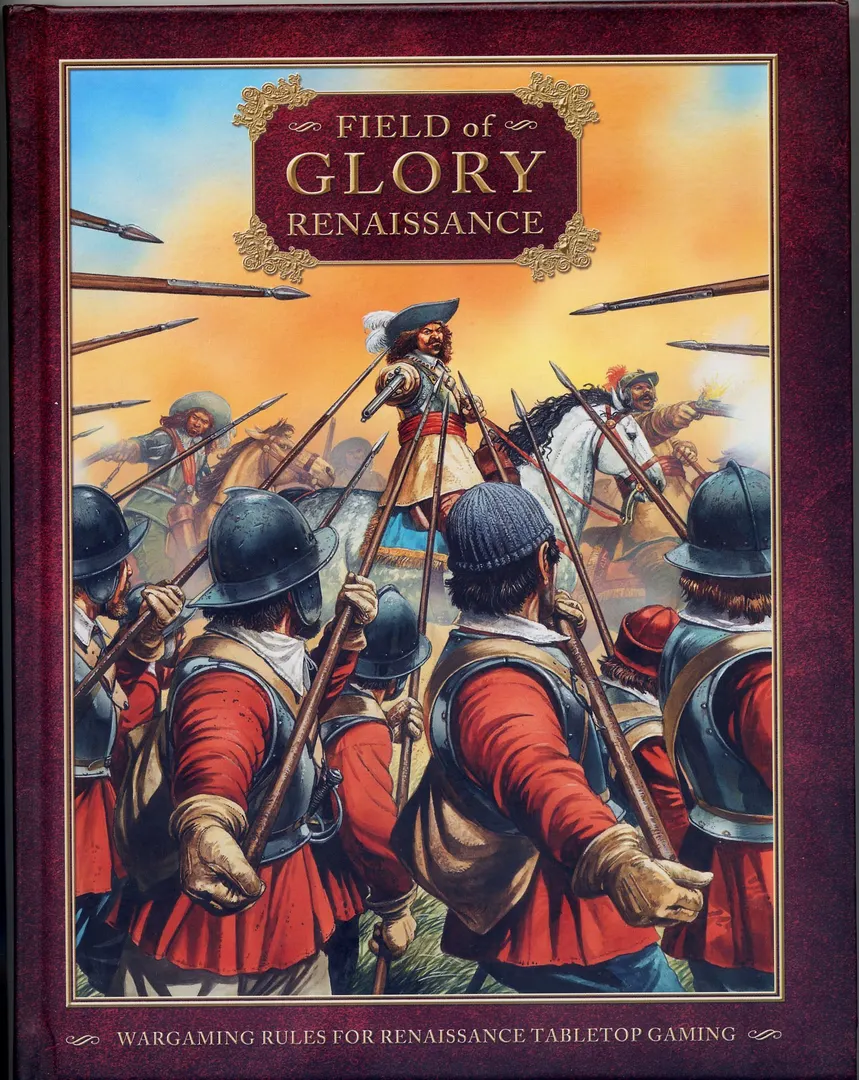
From Warlord Games website: "Pike & Shotte" is Warlord Games' third rulebook publication. It is a beautiful book in its own right with hundreds of colour photo of the most exquisitely painted model soldiers taken from the world s foremost collections. The rule book's intention is to inspire a collector to play gentlemanly games with their collections of soldiers with friends where the emphasis is on the spirit of the period, not the letter of the rule. It is a hearty publication and not for nitpickers or miseries. There are some good gags in it, but it also plays well and enables players to conduct a very big battle in a reasonable period of time, leaving them more time to chat about the highs and lows and what ifs..." Pike & Shotte closes the gap that Warlord Games left between the "Hail Caesar" and the "Black Powder" rulebooks. Using the hallmark Warlord Games orders system (a player must state what his units are about to do, then make a leadership roll dice to check the efficiency with whom of the order given is received), with a 3-phases turn modality that clearly brings the Rick Priestley firm, the game is very smooth, fast and less detailed and mechanic than its stronger competitor, the Field of Glory Renaissance system.
Según el catálogo, Pike & Shotte admite de 2 a 4 jugadores. Este intervalo corresponde al número de jugadores indicado por la editorial, así que el juego puede prepararse para cualquier grupo dentro de ese margen. La preparación, algunas reglas y la puntuación pueden variar según el número de jugadores; consulta la configuración exacta en el reglamento de tu edición.
Pike & Shotte tiene una puntuación de complejidad de 2,5 sobre 5 según los jugadores de BoardGameGeek, lo que lo convierte en un juego algo ligero. La puntuación refleja cuánto conocimiento de reglas, planificación y toma de decisiones exige una partida típica. Los juegos exigentes requieren una explicación inicial más larga, así que conviene usar una guía de preparación.
Pike & Shotte pertenece a estas categorías: Wargame, Miniatures y Renaissance. Sus mecánicas principales son Dice Rolling, Variable Set-up y Simulation. Las categorías describen el tema y la ambientación de un juego, mientras que las mecánicas describen lo que los jugadores hacen realmente en su turno. Cada mecánica lleva a una página del catálogo con juegos similares.
Los autores acreditados de Pike & Shotte son: Rick Priestley y Steve Morgan. Estos créditos proceden de los datos publicados del juego y nombran a las personas responsables de su diseño, no a ilustradores ni editoriales. Las páginas de autor de MeepleRules reúnen otros títulos de los mismos autores, algo útil cuando un juego te gusta y buscas otros parecidos.
El catálogo clasifica Pike & Shotte como juego base. Se juega por sí solo con los componentes de la caja y no requiere ningún otro título. Las expansiones, si existen, añaden contenido o reglas nuevas y aparecen por separado en el catálogo con un enlace a este juego base.