
- Puesto en BGG
- BGG #4406
- Puntuación BGG
- 7,0
Donning the Purple
- 1–3 jugadores
- 70–90 min
- Complejidad 3,0/5
- 2018
2025
Ayuda con las reglas de Pompeii
Explicaciones claras de turnos, efectos de cartas y situaciones dudosas, con referencias a fuentes oficiales e historial de preguntas guardado.
¿Qué quieres saber?
Las respuestas salen del reglamento oficial, con la página para comprobarlo.
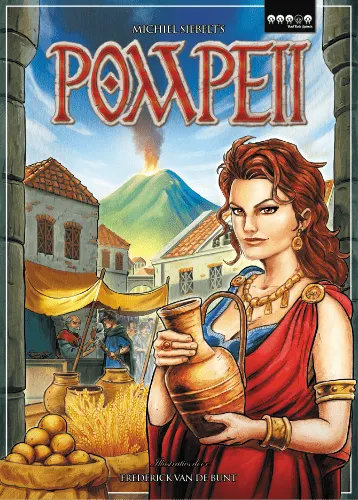
Pompeii es un juego de mesa publicado en 2025 para 1–4 jugadores, con partidas de 60 a 120 minutos y a partir de 12 años. Fue diseñado por Michiel Siebelt y sus mecánicas principales son Deck, Bag, and Pool Building, Worker Placement y Semi-Cooperative Game.
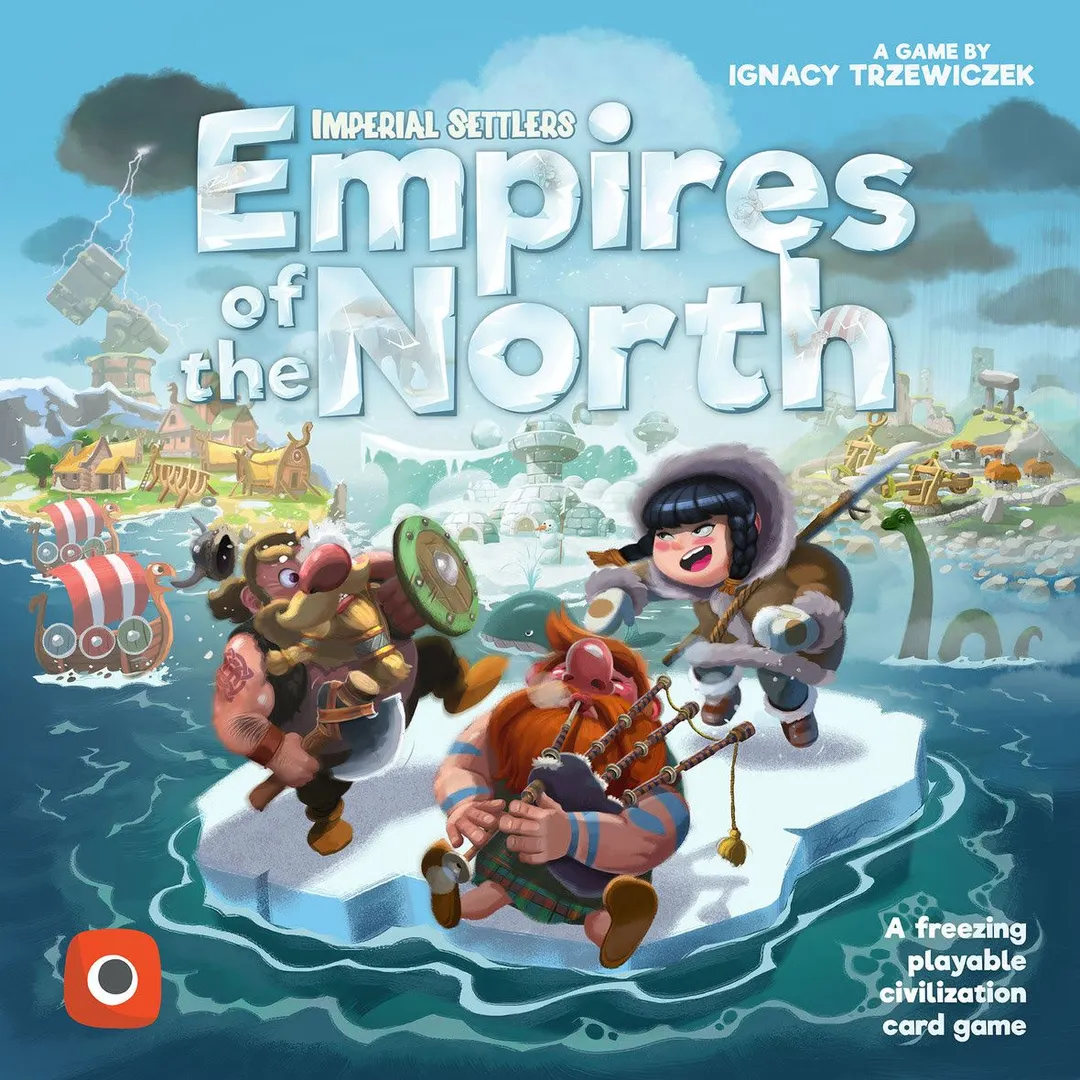
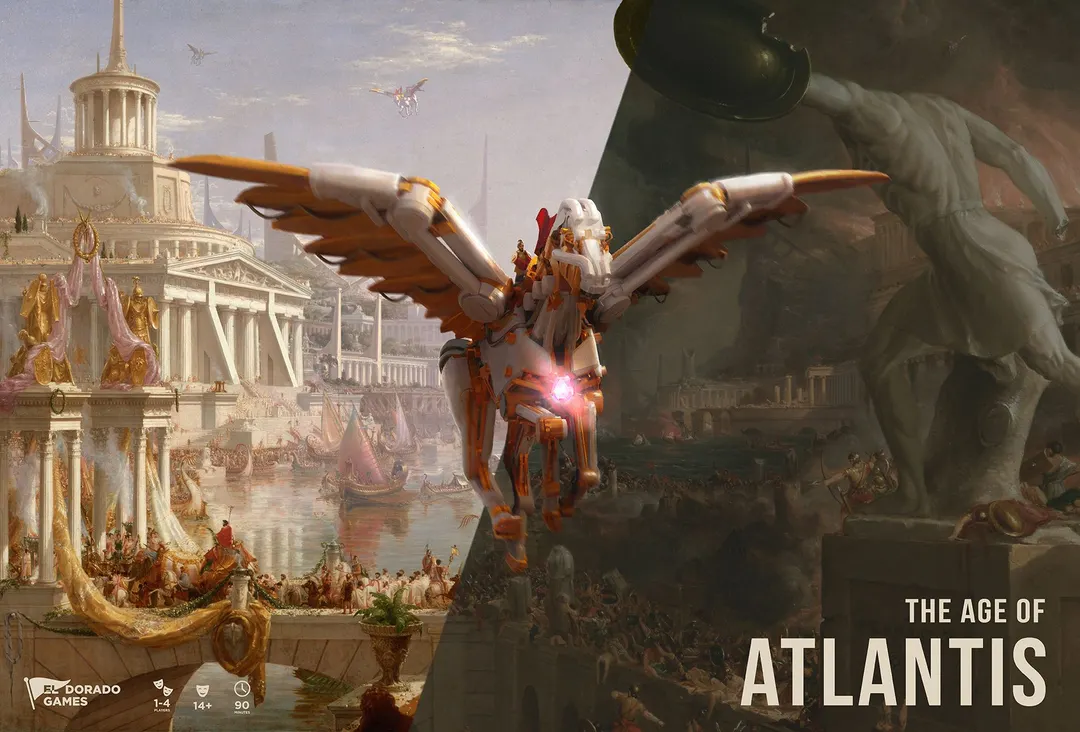
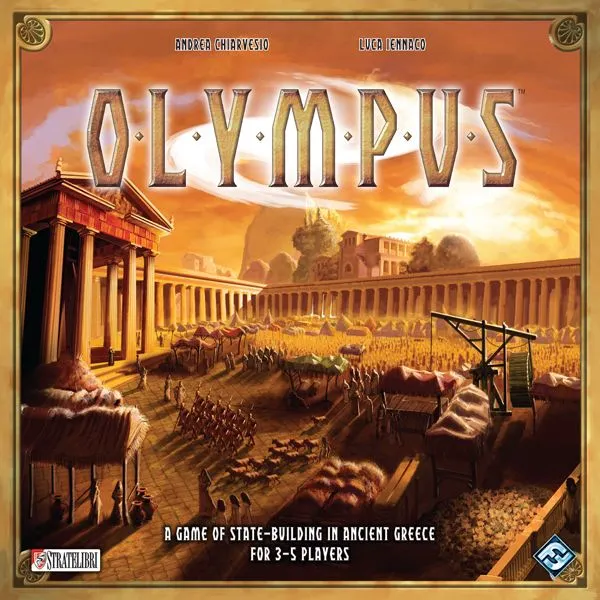

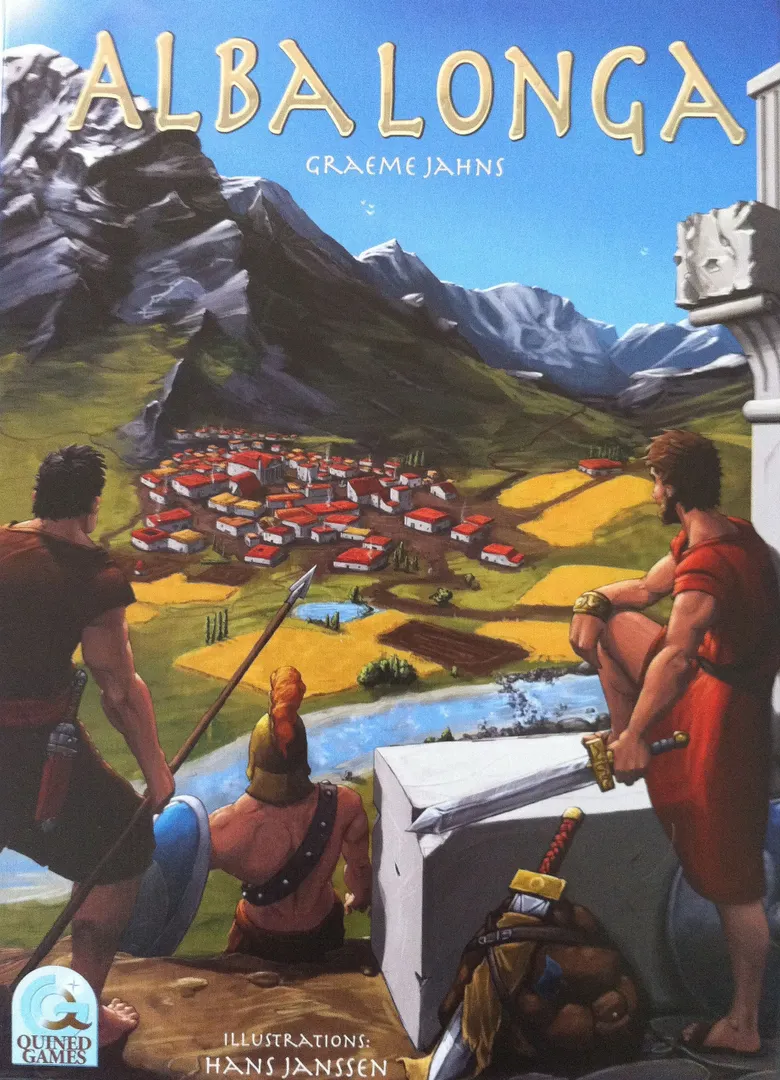


En inglés
Shape a City. Share a Fate Step into ancient Pompeii — a thriving Roman city known for its wealthy inhabitants and luxurious villas. In Pompeii, players lead their citizens to grow the city through smart planning, resourceful trading, and meaningful choices. Oh mighty player, set your subjects to work and and carve your legacy in the history of Pompeii. However, in Pompeii it was ambition, greed and envy that angered the gods ... and buried the city beneath a smoldering layer of volcanic ash! Together players must share sufficient offerings to appease Vesuvius. If you fixate on your own wealth, you may also find yourselves buried under layers of suffocating and toxic ash. Pompeii is a game of thoughtful strategy and shared responsibility. Can you guide the city to prosperity — and keep it standing? Or would you risk pursuing power, even if it brings downfall upon all? Gameplay Pompeii is a develoment game with a twist. A light-to-medium strategy game: easy to learn, full of meaningful choices. Each round, your workers can perform 1 of the following standard worker actions: 1. Gather raw materials 2. Produce refined goods 3. Construct buildings 4. Trade goods, or 5. Train specialists Next to standard actions, you can also choose to take a card action: activated specialists and city locations with immediate actions or recurring actions. The twist is in the two phases in which Pompeii is played: The Calm and The Awakening: During The Calm, players built the backbone of Pompeii while working on their strategy (gathering supplies, building a nice card engine, et cetera). However, during The Awakening, the Vesuvius is a force to be reckoned with: players have to negotiate shared offerings to the Vesuvius to prevent an eruption and possible loss of hard-earned goods. The Looming Threat of Vesuvius Vesuvius watches from a distance, and its patience is limited. During The Calm, Vesuvius is asleep. But when the first prestigious building is constructed, players' ambitions become clear and Vesuvius awakens. As of this moment, players must pay shared offerings to prevent an eruption of Vesuvius and thereby loss of valuable goods. You’ll need to weigh your ambitions carefully — focus too much on personal gain, and you risk the wrath of the gods. Forget the volcano, and you may all fall together. Pompeii challenges you not only to claim the city for yourself, but also to survive as a group! A Balance Between Ambition and Harmony While you grow your part of the city, others are doing the same. Each player has their own vision for Pompeii’s future, and everyone’s progress is interwoven. The most successful leader will station their army at the Castrum, the military camp outside the city gates, taking control of the city’s fate. But remember: there’s more at stake than victory alone. Together, you must also keep the gods appeased. Greed and neglect can stir Vesuvius. Ignore this smoldering primal force, and your fate may take a very different turn. What makes Pompeii so special? Unique gameplay – You’ll face the ultimate dilemma: claim victory for yourself, but survive as a group. Will your ambitions lead to your personal triumph, or the city’s ruin? In Pompeii, your fate is tied to your rivals – and the looming threat of the volcano. Relive Pompeii’s glory in a boardgame – See Pompeii come to life as you play. You build the city with every turn – from bustling workshops to grand public buildings. While you shape Pompeii, the evocative artwork breathes life into the ruins, capturing the city in its prime. Beautiful hand-drawn illustrations using pencil and watercolor paint by Frederick van de Bunt – Immerse yourself in a visually stunning world, where every card is a miniature work of art. Respect for history – Artwork and theme pay respect to the history and site of Pompeii. Historically accurate architecture and ethnicity of the citizens; every detail is thoughtfully crafted to honor Pompeii’s legacy. Experience the city’s final days with a touch of reverence and awe. Gateway game – The game gradually increases in complexity, allowing you to ease into it. Whether you’re a casual player or a seasoned gamer, Pompeii welcomes all. —description from the publisher
Según el catálogo, Pompeii admite de 1 a 4 jugadores. Este intervalo corresponde al número de jugadores indicado por la editorial, así que el juego puede prepararse para cualquier grupo dentro de ese margen. La preparación, algunas reglas y la puntuación pueden variar según el número de jugadores; consulta la configuración exacta en el reglamento de tu edición.
La duración indicada para Pompeii es de 60 a 120 minutos, la estimación de la editorial para una partida completa. El tiempo real depende del grupo, del número de jugadores y del conocimiento de las reglas: las primeras partidas suelen alargarse y los grupos con experiencia terminan antes. La preparación y la explicación de las reglas no están incluidas.
El catálogo indica Pompeii a partir de 12 años. Es la recomendación de la editorial y refleja la lectura necesaria, la complejidad de las reglas y las piezas pequeñas, no solo el tema. Los más pequeños a menudo pueden jugar con ayuda de un adulto: comprueba la edad recomendada en tu edición y la experiencia de tu grupo.
Pompeii tiene una puntuación de complejidad de 2,6 sobre 5 según los jugadores de BoardGameGeek, lo que lo convierte en un juego algo ligero. La puntuación refleja cuánto conocimiento de reglas, planificación y toma de decisiones exige una partida típica. Los juegos exigentes requieren una explicación inicial más larga, así que conviene usar una guía de preparación.
Pompeii pertenece a estas categorías: Ancient, City Building y Civilization. Sus mecánicas principales son Deck, Bag, and Pool Building, Worker Placement y Semi-Cooperative Game. Las categorías describen el tema y la ambientación de un juego, mientras que las mecánicas describen lo que los jugadores hacen realmente en su turno. Cada mecánica lleva a una página del catálogo con juegos similares.
Los autores acreditados de Pompeii son: Michiel Siebelt. Estos créditos proceden de los datos publicados del juego y nombran a las personas responsables de su diseño, no a ilustradores ni editoriales. Las páginas de autor de MeepleRules reúnen otros títulos de los mismos autores, algo útil cuando un juego te gusta y buscas otros parecidos.
El catálogo clasifica Pompeii como juego base. Se juega por sí solo con los componentes de la caja y no requiere ningún otro título. Las expansiones, si existen, añaden contenido o reglas nuevas y aparecen por separado en el catálogo con un enlace a este juego base.