
- Puesto en BGG
- BGG #883
- Puntuación BGG
- 7,8
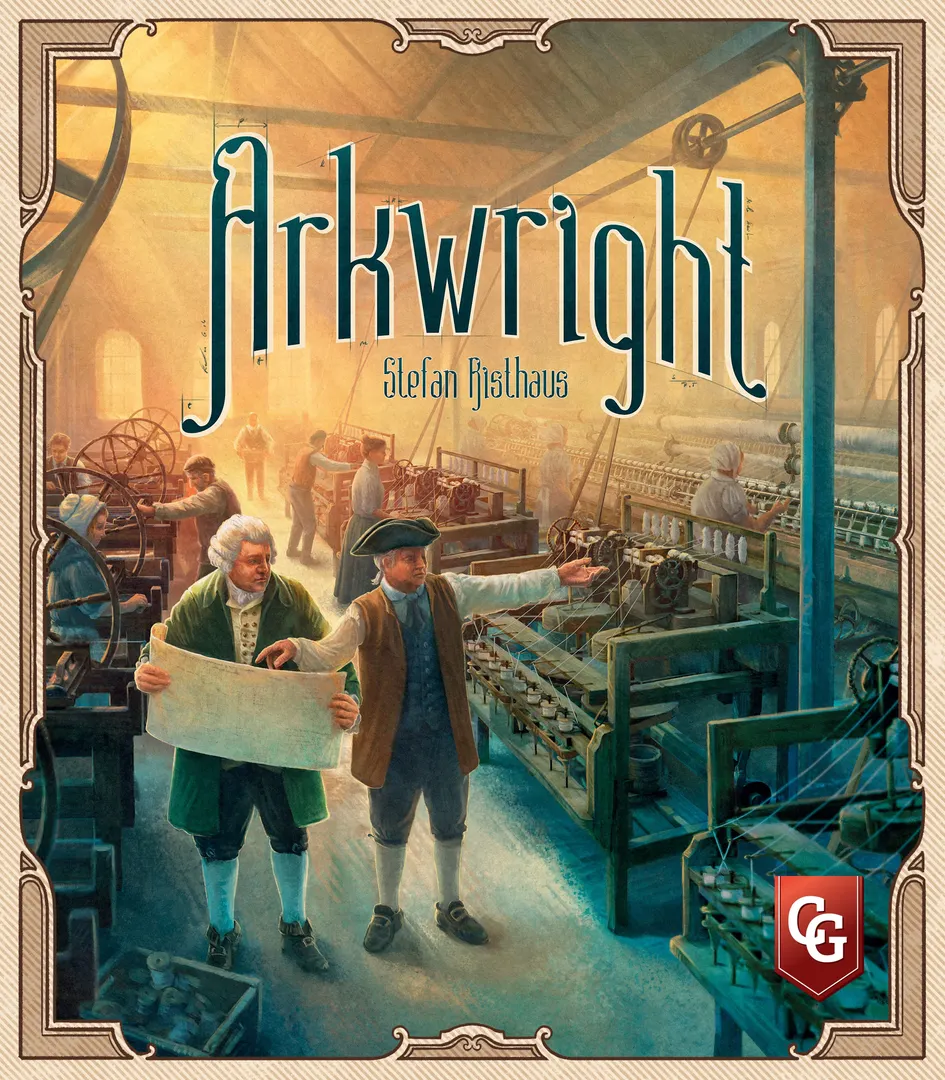
Arkwright
- 1–4 jugadores
- 120–240 min
- Complejidad 4,6/5
- 2014
2026
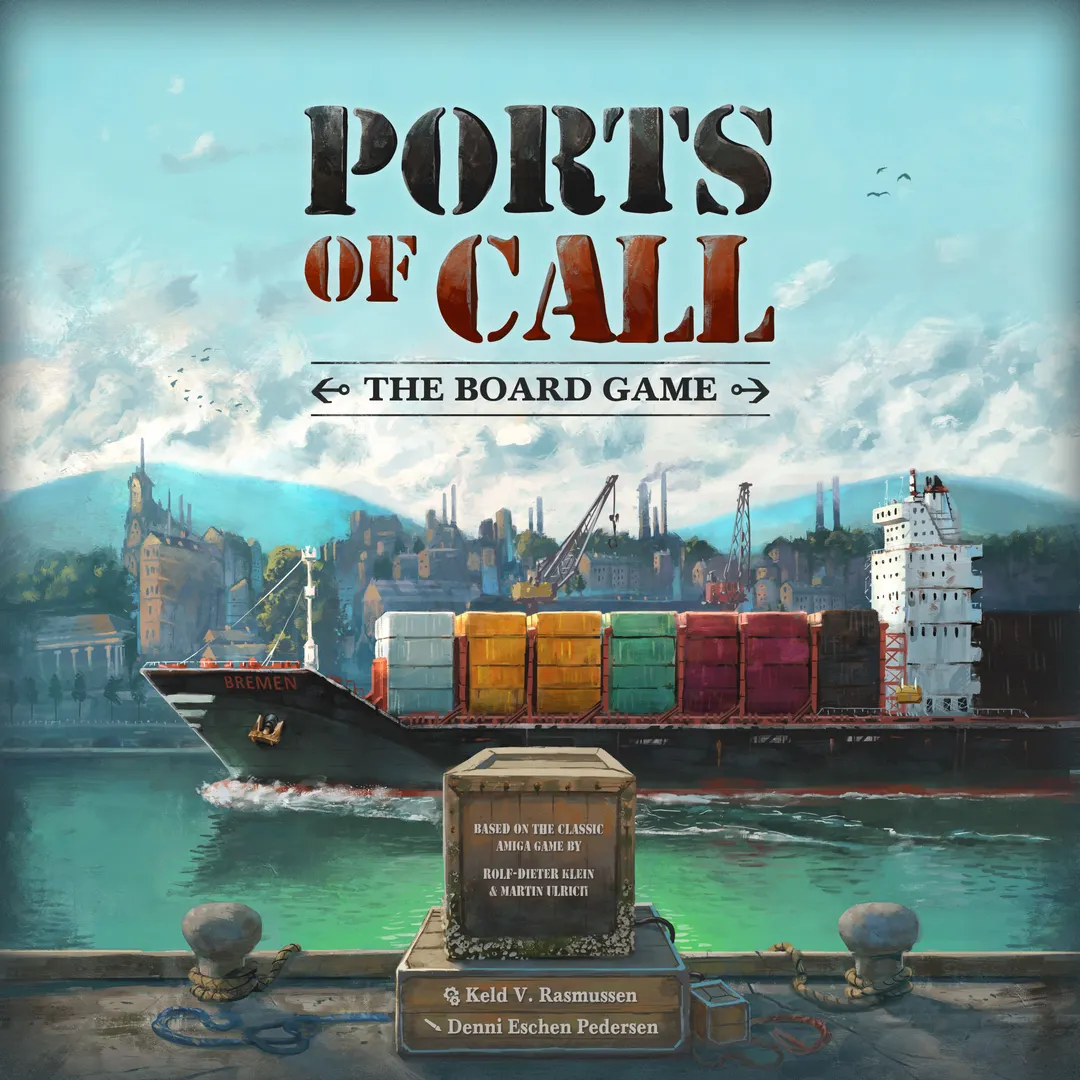
Ayuda con las reglas de Ports of Call: The Board Game
Explicaciones claras de turnos, efectos de cartas y situaciones dudosas, con referencias a fuentes oficiales e historial de preguntas guardado.
¿Qué quieres saber?
Las respuestas salen del reglamento oficial, con la página para comprobarlo.
Ports of Call: The Board Game es un juego de mesa publicado en 2026 para 2–4 jugadores, con partidas de 90 a 240 minutos y a partir de 15 años. Fue diseñado por Keld V. Rasmussen y sus mecánicas principales son Point to Point Movement, End Game Bonuses y Events.









En inglés
Ports of Call: The Board Game brings the classic 1987 computer game, created by Rolf-Dieter Klein and Martin Ulrich, to the tabletop. Players compete to build the world's most valuable shipping company by transporting goods across the oceans, fulfilling commercial orders, establishing factories, and expanding their maritime empires. Starting with two ships, a home port, and limited financial resources, players must navigate international trade routes, manage their fleets, and make strategic investments, while dealing with pirates, rats, unpredictable weather, closed ports, and smuggling. The winner is the player who, by the end of the game, has built the most valuable shipping company. A World of Trade and Opportunity The game features 15 port cities connected by shipping routes across the globe. Five commodities – wind turbines, steel, electronics, wine, and oil – form the foundation of international trade. Each port specialises in producing one commodity, creating a worldwide network of trading opportunities. Players purchase containers, transport them between cities, and sell their cargo for profit. One of the main objectives is to fulfil commercial orders. Each Order Card requires two specific commodities to be delivered to a designated port. Players must plan efficient routes, acquire the necessary goods, and coordinate their ships to complete these contracts and increase their company's value. Build Your Fleet and Industrial Network As their businesses grow, players can invest in additional ships and establish factories in port cities around the world. Small ships are inexpensive and efficient, while large ships offer greater cargo capacity at higher purchase and maintenance costs. Expanding your fleet increases your transportation capabilities but also creates additional financial obligations. Factories allow players to produce their own containers and supply goods to the global Container Terminal, a shared marketplace where commodity prices fluctuate as containers are added and purchased. When another player purchases a container you have produced, you receive the payment. Producing goods also advances your position on the Production Track, unlocking valuable bonuses. Players must decide whether to focus on shipping contracts, industrial production, commodity trading, or a combination of these strategies. Strategic Decisions and Economic Challenges Each player manages their company through an individual Office Board and a limited number of Action Points. The number of Action Points depends on the size of the player's fleet, rewarding expansion with greater flexibility. Actions include purchasing ships, constructing factories, acquiring orders, buying containers, and producing goods. Ship movement and selling cargo do not require Action Points. Players must carefully balance investments, transportation efficiency, and available cash. Meanwhile, News Cards introduce unexpected events at the end of each quarter. Pirates, unpredictable weather, closed ports, smuggling, and changing market conditions can disrupt shipping operations and create new challenges or opportunities. Financial management is equally important. At the end of each fiscal year, companies receive income based on their Stock Exchange value but must pay maintenance costs for their ships. Poor financial planning can force players to sell shares or even face bankruptcy. Become the World's Leading Shipping Company The game takes place over four fiscal years, each consisting of four quarters, giving every player 16 turns to develop their business. Throughout the game, players increase their company's value by completing orders, earning Achievement Cards, and making strategic investments. The Stock Exchange tracks each company's value and ultimately determines the winner. At the end of the final year, unfinished orders result in penalties, while achievements provide additional rewards. The player with the highest company value wins! Ports of Call: The Board Game combines maritime logistics, economic strategy, market competition, and business development into a challenging trading experience where every decision matters. Welcome aboard! —description from the publisher
Según el catálogo, Ports of Call: The Board Game admite de 2 a 4 jugadores. Este intervalo corresponde al número de jugadores indicado por la editorial, así que el juego puede prepararse para cualquier grupo dentro de ese margen. La preparación, algunas reglas y la puntuación pueden variar según el número de jugadores; consulta la configuración exacta en el reglamento de tu edición.
La duración indicada para Ports of Call: The Board Game es de 90 a 240 minutos, la estimación de la editorial para una partida completa. El tiempo real depende del grupo, del número de jugadores y del conocimiento de las reglas: las primeras partidas suelen alargarse y los grupos con experiencia terminan antes. La preparación y la explicación de las reglas no están incluidas.
El catálogo indica Ports of Call: The Board Game a partir de 15 años. Es la recomendación de la editorial y refleja la lectura necesaria, la complejidad de las reglas y las piezas pequeñas, no solo el tema. Los más pequeños a menudo pueden jugar con ayuda de un adulto: comprueba la edad recomendada en tu edición y la experiencia de tu grupo.
Ports of Call: The Board Game tiene una puntuación de complejidad de 3,0 sobre 5 según los jugadores de BoardGameGeek, lo que lo convierte en un juego de complejidad media. La puntuación refleja cuánto conocimiento de reglas, planificación y toma de decisiones exige una partida típica. Los juegos exigentes requieren una explicación inicial más larga, así que conviene usar una guía de preparación.
Ports of Call: The Board Game pertenece a estas categorías: Economic, Video Game Theme e Industry / Manufacturing. Sus mecánicas principales son Point to Point Movement, End Game Bonuses y Events. Las categorías describen el tema y la ambientación de un juego, mientras que las mecánicas describen lo que los jugadores hacen realmente en su turno. Cada mecánica lleva a una página del catálogo con juegos similares.
Los autores acreditados de Ports of Call: The Board Game son: Keld V. Rasmussen. Estos créditos proceden de los datos publicados del juego y nombran a las personas responsables de su diseño, no a ilustradores ni editoriales. Las páginas de autor de MeepleRules reúnen otros títulos de los mismos autores, algo útil cuando un juego te gusta y buscas otros parecidos.
El catálogo clasifica Ports of Call: The Board Game como juego base. Se juega por sí solo con los componentes de la caja y no requiere ningún otro título. Las expansiones, si existen, añaden contenido o reglas nuevas y aparecen por separado en el catálogo con un enlace a este juego base.