
- Puesto en BGG
- BGG #25.290
- Puntuación BGG
- 5,7
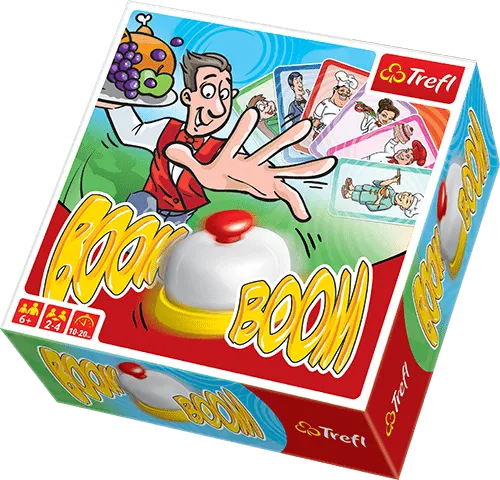
Boom Boom
- 2–4 jugadores
- 10 min
- Complejidad 1,0/5
- 2013
2015
Ayuda con las reglas de Prison Run
Explicaciones claras de turnos, efectos de cartas y situaciones dudosas, con referencias a fuentes oficiales e historial de preguntas guardado.
Para 2 jugadores
¿Qué quieres saber?
Las respuestas salen del reglamento oficial, con la página para comprobarlo.
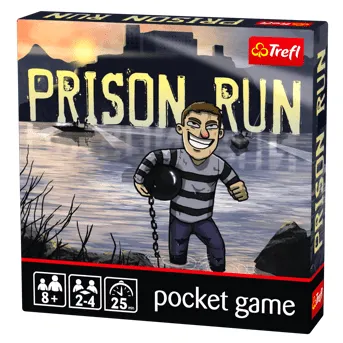
Prison Run es un juego de mesa publicado en 2015. Fue diseñado por Piotr Milewski y sus mecánicas principales son Track Movement.

En inglés
Free your falsely accused friends from a closely guarded prison! Be the first to help other players escape before wardens realize what’s happening and thwart your plans. Unfortunately, not everyone can succeed, so you need to choose carefully when to help others, when to obstruct them, and when to bluff your way out. Maybe your strategy will be the most effective. It’s time to begin Prison Run! In Prison Run, each player tries to bail his companions out of jail. The cards with the list of prisoners who are the members of the player’s gang should not be revealed to the other players. To make escape of their people possible, the players use simple actions. They can choose the prisoner who will break out from the cell or who will be move forward on the escape track. If one of the prisoners will make it to the last space, the players votes secretly if the prisoner will successfully escape or will go back to the cell. If at least one of the voters is against the escape, the prisoner returns to the jail. However, the players have to be careful and count their odds, because each player has limited amount of the objections. The player who at the end of the game has the largest number of bailed out prisoners from their gang is the winner.
Prison Run tiene una puntuación de complejidad de 1,0 sobre 5 según los jugadores de BoardGameGeek, lo que lo convierte en un juego ligero. La puntuación refleja cuánto conocimiento de reglas, planificación y toma de decisiones exige una partida típica. Los juegos exigentes requieren una explicación inicial más larga, así que conviene usar una guía de preparación.
Prison Run pertenece a estas categorías: Card Game, Humor y Bluffing. Sus mecánicas principales son Track Movement. Las categorías describen el tema y la ambientación de un juego, mientras que las mecánicas describen lo que los jugadores hacen realmente en su turno. Cada mecánica lleva a una página del catálogo con juegos similares.
Los autores acreditados de Prison Run son: Piotr Milewski. Estos créditos proceden de los datos publicados del juego y nombran a las personas responsables de su diseño, no a ilustradores ni editoriales. Las páginas de autor de MeepleRules reúnen otros títulos de los mismos autores, algo útil cuando un juego te gusta y buscas otros parecidos.
El catálogo clasifica Prison Run como juego base. Se juega por sí solo con los componentes de la caja y no requiere ningún otro título. Las expansiones, si existen, añaden contenido o reglas nuevas y aparecen por separado en el catálogo con un enlace a este juego base.